This post contains affiliate links. If you make a purchase through one of these links, I may make a commission at no additional cost to you. Thank you for supporting my blog!
Is your cup of tea or coffee feeling lonely lately? Here’s a recipe for you! This versatile homemade biscotti recipe can be made with whatever fruit and nuts you have on hand–you can even make it gluten free and/or dairy free!
Biscotti is a twice-baked tea cookie that pairs well with tea, coffee, and cocoa!
I learned to make biscotti from my sister-in-law Abigail. As a homeschooled teenager, she and a friend started a catering business, providing tea and goodies for tea parties and other ladies’ events–and biscotti was a standard offering. She later passed this beloved recipe on to me, and it has become a family favorite, especially around the holidays.
Here’s what you’ll need.
EQUIPMENT:
Mixing bowls (this set has served me well for years)
(1/4 cup milk or water, if needed to form dough–use water or dairy free milk for dairy free option)
1 1/4 cup nuts, chopped
3/4 cup dried fruit (like raisins, cranberries, currants, etc)
PREP:
Preheat oven to 300 degrees and grease and flour a large baking sheet. Parchment paper is not recommended for this recipe.
In a large bowl, combine dry ingredients.
In a medium bowl, combine wet ingredients.
Add wet ingredients all at once to dry ingredients, stirring with a spoon (or hands) to combine. Dough will be thick and firm. If too dry to come together, add 1/4 cup milk (or water for dairy free option).
Add nuts and fruit. Stir or knead into dough until thoroughly mixed.
Divide dough in half and spread each half onto prepared baking sheet, forming two flat loaves 13″ long by 2 1/2″ wide, 3-4″ apart.
Wet fingers and press and smooth the tops and sides.
Here’s what those loaves look like. The one on the right is still bumpy, just like I initially formed it and placed it on the pan. The one on the left has been smoothed with wet fingers. Now you know what you’re going for! When both loaves are smooth, you’re ready to bake!
FIRST BAKING:
Bake for 40 minutes at 300 degrees or until firm. Cool 5 minutes.
Turn oven down to 275 degrees.
Slice loaves diagonally into 1/2 inch slices. Stand 1/2 inch apart on baking sheet.
Here’s what it looks like once you’ve sliced the loaves into pieces and arranged them for the second baking.
SECOND BAKING:
Bake sliced loaves at 275 degrees for 20-25 minutes.
Check for doneness by pressing slightly on the top of a large slice–the slice should be firm/dry enough not to give under light pressure. Let cool and enjoy!
If the biscotti feels dry and doesn’t squish under light pressure, it’s done!
The picture above is from a batch of Double Chocolate Chip Biscotti (recipe coming soon!). It’s a great variation on this recipe, especially for gifting at Christmas!
A delightful, crunchy cookie to pair with coffee, tea, or cocoa.
Credit: My SIL Abigail Scott
Ingredients
2 1/4 cup flour (can be all purpose, whole wheat, or GF: I use Premium Gold Gluten Free)
1/2 teaspoon baking powder
1/2 teaspoon baking soda
1/4 teaspoon salt
1/2 teaspoon cinnamon
3 large eggs
1 cup sugar
1 1/2 teaspoons vanilla
(1/4 cup milk or water, if needed to form dough)
1 1/4 cup nuts, chopped
3/4 cup dried fruit (like raisins, cranberries, currants, etc)
Directions
PREP:
Preheat oven to 300 degrees and grease and flour a large baking sheet. Parchment paper is not recommended for this recipe.
In a large bowl, combine dry ingredients.
In a medium bowl, combine wet ingredients.
Add wet ingredients all at once to dry ingredients, stirring with a spoon (or hands) to combine. Dough will be thick and firm. If too dry to come together, add 1/4 cup milk (or water for dairy free option).
Add nuts and fruit. Stir or knead into dough until thoroughly mixed.
Divide dough in half and spread each half onto prepared baking sheet, forming two flat loaves 13″ long by 2 1/2″ wide, 3-4″ apart.
Wet fingers and press and smooth the tops and sides.
FIRST BAKING:
Bake for 40 minutes at 300 degrees or until firm. Cool 5 minutes.
Turn oven down to 275 degrees.
Slice loaves diagonally into 1/2 inch slices. Stand 1/2 inch apart on baking sheet.
SECOND BAKING:
Bake sliced loaves at 275 degrees for 20-25 minutes.
Check for doneness by pressing slightly on the top of a large slice–the slice should be firm/dry enough not to give under light pressure. Let cool and enjoy!
Storage or gifting: Cool completely before storing in an air tight container or wrapping up as a gift.
Feel free to get creative with different fruit and nut combinations in this recipe! But if you want to try some of my family’s favorites, check out Double Chocolate Chip Biscotti and Orange Cranberry White Chocolate Biscotti (both coming soon!)! Both recipes have gluten free and dairy free options!
Did you try to make this biscotti recipe? I’d love to hear how it turned out!
We shared biscotti with friends during our homeschool co-op’s teen book club. 🙂
This post contains an affiliate link. If you make a purchase through this link, I may make a commission at no additional cost to you. Thank you for supporting my blog!
“I can do all things through Him who strengthens me.”
Philippians 4:13 is an oft-quoted bible verse. Here’s what people often mean by it:
“I can win at sports because Jesus gives me strength!”
“I can stand up to the bully through Christ who strengthens me!”
It’s like a meme that pre-dated the internet.
But the context of this beloved verse, as some of you well know, doesn’t lend itself to the kind of blank check that ‘90s Christian T-shirt manufacturers would like you to believe.
The apostle Paul isn’t facing giants, he’s practicing contentment. Here’s the verse in context:
10 But I rejoiced in the Lord greatly, that now at last you have revived your concern for me; indeed, you were concerned before, but you lacked opportunity. 11 Not that I speak from want, for I have learned to be content in whatever circumstances I am. 12 I know how to get along with humble means, and I also know how to live in prosperity; in any and every circumstance I have learned the secret of being filled and going hungry, both of having abundance and suffering need. 13 I can do all things through Him who strengthens me. 14 Nevertheless, you have done well to share with me in my affliction.
Paul wrote this section of his letter to the Philippians to thank them for sending a gift to help meet his needs, to support him in his ministry. But he wants them to know that he’s more thankful for their hearts than for the gift itself. He’s learned to be content, whether “being filled or going hungry, …having abundance and suffering need.”
Here in the wealthy West, we might need to stop and really consider what that meant for the apostle Paul. For reference, he shares some of his resume in 2 Corinthians 4:7-18.
Paul didn’t learn contentment by sitting in a comfy chair, sipping a latte, and meditating on the idea of it. He learned contentment through trials and practice. The apostle James shares the same principle in his epistle:
Consider it joy, my brethren, when you encounter various trials, knowing that the testing of your faith produces endurance. And let endurance have its perfect work…
So how do we, in a world full of modern conveniences and comforts, grow in contentment?
Getaways are great, but real contentment will follow us back into the fray.
To be content means to be satisfied, happy, or pleased with what you have. So at the most basic level, we can learn contentment by stopping to recognize what we have—and that it has been graciously given to us by a good God.
When times are good, look around and give thanks for the Lord’s provision. When times are bad, do the same. It might be harder, but there is always something for which we can give thanks. Even if you have to start with the fact that you’re alive.
Sometimes it’s easier to practice this when things are either extraordinarily good or extraordinarily bad. It can be harder to recognize the goodness of God in our everyday mundane lives as we simply go with the flow and try to keep up with the pace of life. This is why, in any season, it is worthwhile to sit down and look around you. Take it in. And give thanks. Audibly, in a journal, expressed towards God and towards others: Give thanks.
Learning Contentment through Trials
Sometimes the Lord provides ample opportunity to grow in contentment through the trials we experience. Going through some really hard trials at the turn of the year has made some of our more recent challenges both harder and yet also easier to face. While we’re somewhat blindsided by each one that comes up, we’re also at least somewhat practiced at suffering and looking to the Lord in our need. When the last hard season has hardly even ended and you’re faced with another, it’s a lot. But the endurance muscles are still warm from use. They might be tired, but they at least know the drill.
We don’t automatically get contentment from our trials, however. The Apostle Paul had to “learn” contentment. And James reminded his readers to “consider it joy” when they faced trials. Mere meditation on the sidelines of life isn’t going to produce contentment in us without that contentment being tested in some way. But biblical meditation is essential if those trials are to produce real contentment in the Lord.
This is not and either-or proposition. It’s both-and.
So go ahead and enjoy your coffee as you dig into God’s word, hide it in your heart, and pray for God’s Spirit to empower you to grow in contentment. Just don’t imagine that sitting comfortably with your Bible is the end-game or even all of the means. Welcome God’s invitation to grow in faith, trust, endurance, and contentment with each new trial you face. And bring the Scriptures into your everyday moments, reminding yourself of Truth right in the middle of the challenges you’re facing.
Learning Contentment through Fasting
Even in easier seasons, however, there are practical ways we can grow in contentment. We can “discipline [ourselves] for the sake of godliness.” We don’t have to wait for the trials to come. We don’t have to seek them out, but it can be a good thing to practice dealing with less comfort than we’re used to.
In fact, Jesus expected His followers to do just that. In the Sermon on the Mount, He didn’t say, “If you fast…” He said “When you fast…” (Matt. 6:16-18)
Fasting is one of those spiritual disciplines that we maybe prefer to forget exists. If you’re starting to get uncomfortable, rest assured I’m stepping on my own toes, too.
Christians are not called to deny themselves for the sake of being super religious or having something to boast about (Jesus condemns those motives!). The point is to turn down those things that compete with the Lord and to turn our hunger and our desires toward Him, knowing that He is the One who can really satisfy our souls and meet our deepest needs.
Another purpose in fasting is to express grief or desperation in prayer. If I look around and think that the world is a big hot mess right now, but I keep stuffing my face at all hours like nothing is wrong, am I really concerned about what’s going on or am I just shrugging my shoulders and moving on to my next meal?
It’s hard to eat when you’re grieving. When you’ve lost someone or long for something so deeply that it hurts. Am I willing to make myself uncomfortable [at least some of the time] so that my prayers come with an earnestness that reflects a heart that grieves over a fallen world?
One very practical result of saying “no” to a meal or two is the realization that we can, in fact, survive on less than we usually consume. We can learn to be satisfied with less by the practice of fasting.
Learning Contentment through Putting Others First; “Put off” and “Put on”
Now, short of fasting (or perhaps in addition to fasting), we can look for opportunities to put the needs and desires of others ahead of our own. Do you take the biggest slice of cake or offer it to someone else? Do you rush in for the best seats or look for others you can honor above yourself?
Whether we eat or drink or whatever we do, we ought to do it for the glory of God. (1 Corinthians 10:31) If there’s an area where you can’t bring yourself to say no for a short while, or where you can’t bear the thought of someone getting the better deal, that’s probably an area where you need to learn contentment. Confess it, pray about it, yes. But then “bear fruit in keeping with repentance” (Matthew 3:8).
Roll up your sleeves and give or share in that area rather than simply trying to muster enough willpower to forgo the thing to no real purpose. Look for opportunities to celebrate the good things others have rather than defaulting to envy. And give thanks for what the Lord has given you rather than muttering about what you don’t have. As the Apostle Paul exhorts us in Ephesians chapter 4: “put off” the old and “put on” the new.
Learning Contentment through “Roughing It” a Bit
Aside from direct commands around thanksgiving, fasting, and putting others first, it’s possible and profitable to stretch yourself in other tangible ways. We’re getting into extra-biblical territory here, so take this as an invitation to think creatively about your own situation rather than feeling like you have to copy-and-paste. 😉
My family is into backpacking. We enjoy being out in God’s creation, hiking, and sleeping under the stars. But it isn’t always a walk in the park. And that’s also part of why we do it.
Our lives in the West can be so comfortable and controlled and disconnected from how people have had to live and survive for most of human history. It can be argued that we are weaker for it—physically, mentally, and perhaps even spiritually.
How ready am I for discomfort if I spend everyday of the year in a temperature-controlled box? If all of my furniture is selected to be aesthetically pleasing and super comfy? These are wonderful modern conveniences (for which we should give thanks!), but we do learn from what we live.
How ready am I to kneel down and serve others if I have carefully manicured hair, nails, and everything? If I am not used to getting dirty—ever?
When we go backpacking as a family, we often sit on rocks or the ground. We sleep in hammocks or on mats …on the ground. We hike in the heat. We sleep in the cold. We take care of our business in the woods. We don’t have access to indoor running water for days.
We have to gather and filter our drinking water. Sometimes it tastes great, other times, not so much. We have to bring our own food, so it’s a different kind of fare than we eat at home. We’ve learned first-hand the Proverb that “A sated man loathes honey, But to a famished man any bitter thing is sweet.” (Proverbs 27:7) Because just about any backpacking food tastes amazing after walking ten to fifteen miles in a day.
We don’t know what the future holds for us or for our sons. But we’d like to think that we are preparing our boys to serve the Lord in whatever capacity He calls them to. If they need to hike into the mountains to reach isolated villagers in some foreign country, well, they’ll have at least a little bit of training under their belts.
You may not need to get into backpacking. That’s not the point. But maybe you can find ways to stretch yourself, to step out of your comfort zone.
Go outside on a day when the weather isn’t ideal. Sit on the floor rather than a chair sometimes, if you are able. Walk outside barefoot just to try it out and see if your feet get less sensitive over time. Go for a long walk or do some other kind of exercise that gets your heart rate up.
To kind of flip the script, I would argue that these things are actually good for us beyond just the development of contentment and character. These things are healthy. Our attachment to comfort can rob us of more than just contentment if we don’t take some initiative to step out of our modern boxes and pursue a different path than the usual way-of-least-resistance to which we’re all so accustomed.
Learning Contentment through Christian Biography
If you need some inspiration and perspective, try reading or listening to stories of Christians who have served and suffered for the Lord throughout church history.
When I listened to Faithful Women and their Extraordinary God by Noel Piper earlier this year, I was struck by how believers who knew that persecution was coming, knew that they would be thrown into prison and barely be given enough to survive…these believers began to fast ahead of their suffering. We might think we’d need to “tank up” in order to last longer. But these precious saints wanted to “tank up” in a different way. They wanted to know the nearness of God in their trial before the worst of it came to them. They wanted to be practiced at depending upon the Lord for strength so that they would not give in to their torturers.
Our family backpacking is still just a field trip compared to that.
But this is the kind of perspective we gain when we read the stories of those who have gone before us: a “cloud of witnesses” like in Hebrews 11 who encourage us to run the race with endurance a la Hebrews 12:1-3.
Contentment Isn’t Learned in a Vacuum
Contentment isn’t a static virtue–it moves with us or it isn’t there at all. It doesn’t grow in a vacuum, sequestered away from real life. It’s a deep joy and satisfaction in the Lord that leads us to give thanks to Him in all things (1 Thess. 5:16-18), to put the needs of others ahead of our own, and to endure all kinds of circumstances, whether “being filled and going hungry, both of having abundance and suffering need” with joy–for the sake of Christ and His kingdom.
I hope you can gather from this article that aside from the straightforward biblical call on our lives, I’m not prescribing any particular practice of self-denial, as though backpacking (or whatever form of roughing it appeals most to you) is some kind of biblical ideal. But I am trying to say that merely creating a Bible-centered Zen garden away from all the noise of ordinary life isn’t the biblical ideal either. We might imagine that we will grow more content in a frictionless, vacuum-like environment, but that’s a peace that’s based on having the just-right environment, not a peace that grows in the heart, as a fruit of the Spirit, in the midst of all of life’s joys and sorrows.
How have you seen the Lord work contentment in your heart through trials? Or through voluntary fasting or other forms of self-denial?
Dear sisters, this article is about miscarriage. Some things I share may be a little too much if you are in the early weeks of pregnancy waiting for that first appointment, or if a loss is still fresh in your memory. It’s ok to skip reading this for now if that is what is best for you. For the rest, I hope what I share will be an encouragement and a help—if you have suffered pregnancy loss, may it remind you that you are not alone and that your have a heavenly Father who cares for you; and if you have not, may this help you to understand what many, many women experience during their childbearing years so that you can love them well in your own community. >hugs<
Maternity photo when my oldest was on the way.
Today might have been my due date.
The pregnancy was a surprise. We had discussed perhaps trying for another child before my fertility ran out (for reference, I’ll be 40 this fall), but we hadn’t made any decision yet to do so. We were both shocked when the test was positive.
My youngest son was 12. There would have been a 13 year gap. I was excited at the thought of a new baby, but I mourned the gap.
We had sold our minivan over the summer and replaced it with a pick-up truck. Vehicle prices had gone way up, and it looked like we would need to find another van.
We were in the middle of a very busy Christmas season, and with my pregnancy-induced autoimmune disease looming on the horizon, I had to find a doctor—and the right one–FAST.
To say that this news rocked our world would not be an understatement.
To add injury to shock, a few hours after the positive pregnancy test, my oldest fell on his otherarm, and we were off to the emergency room that very same day.
Thankfully the fracture was mild this time, but while he was still in a brace, his brother got the flu, and we missed Christmas with my family. We tried to go down for New Year’s, but Nathaniel and my oldest got sick as well. We prayed, were careful, invested in some TamiFlu, and I thankfully managed to stay well.
Even so, my first OB appointment got delayed a week since we still had some lingering flu symptoms in the house.
Before moving on, I want to take a moment here to share how I related to God through this time of expectant waiting…
I knew I was a much older mom at this point, and that the likelihood of pregnancy loss was much higher. But I thanked God for the gift of new life, no matter what would come of it. To be expecting again was a gift. To be carrying a child, to love a child I could not yet see, was a gift. No matter what happened.
In terms of symptoms, I marveled that my initial hint-of-queasiness that started at 6 weeks hadn’t ramped up any by almost 8 weeks. Maybe this pregnancy would be different!
And indeed it was.
At what should have been 7 weeks and about 5 days, the ultrasound, though it showed a sac and everything in the right place, measured only 5 weeks and 5 days. No visual on the baby. No heartbeat.
“Everything looks good. It could just be that we’re working on a different time line than we originally thought.”
But I’d been charting my cycles for 16 years. I had the dates right. I knew something wasn’t right.
We were very pleased with the doctor and her staff, however. They were absolutely wonderful. And we were relieved to have a doctor who would readily prescribe the medication I needed to manage my autoimmune disease with nothing more than a phone call as soon as it started to flare up.
To get a better picture of how I was progressing, they drew blood to check HCG levels. And scheduled me to come back two days later to check it again.
But later that evening I started spotting. I thought perhaps it was related to a potential UTI, for which they’d given me antibiotics. By the next morning, it had gotten worse, and I was in pain.
By the day of my follow-up HCG draw, the pain grew intense. I had labored without pain medication for both of my boys, and would gladly do it again, but seeing the writing on the wall, I took a Tylenol to take the edge off for the ride to doctor’s office, which was awful. I’d never labored in a vehicle before. My autoimmune disease had required us to induce twice, so this was a new experience. That car ride was the worst.
Given my symptoms, we did another ultrasound to check on things. This time there was no sac to be seen. I could hear the heartbeat from another baby in another room, but again none in mine. I went home to wait.
The next day I stayed in bed and by evening had lost the pregnancy—and whatever there was of a tiny, yet unseen by me, baby—in the toilet.
I stayed home from church the next morning. Physically needing rest and knowing that I just couldn’t handle it emotionally yet anyway.
Friends took good care of us, bringing us meals. I can’t say enough how wonderful it was to be so well cared for. Our family and church family are such a blessing.
And we got to return the favor rather quickly, as a friend at a similar place in pregnancy had the same experience one week later. We grieved together and prayed for one another.
With my firstborn son, fifteen years ago. Add a few lines around the eyes, gray hairs, and extra pounds to imagine what might have been.
Once I had rested adequately, taking it slow for about four weeks, I threw myself into whatever work was at hand. Speaking at a local homeschool mini conference, planning a surprise party for my husband’s 40th birthday, reaching out to ladies at church, among other things. If having a baby would provide one set of opportunities, not having a baby would open up another. We weren’t sure if we would try again, so in the mean time, I put my hand to the plow and tried not to look back. If this was the door the Lord had open for me, I would walk through it with as much fervor as I had thrown into supporting my pregnancy.
Sometimes it’s hard to know whether we have fresh diligence in our work or if we’re just looking for a distraction from pain. I think it was a mixture of the two for me. I tried to be present with my grief when it came over me, talking it through with my husband, and pouring it out before the Lord. But I also didn’t want to sit in it. Still, it would come on in waves, the triggers taking me by surprise.
Like shopping for clothes for my boys at the big consignment sale event. I didn’t think anything of it most of the time we were there…until we stepped into the room with all the baby gear…the kinds of things I would have been shopping for that day if there was still a baby growing in my womb.
Another trigger hit with a wave of both grief and gratitude.
When I was going through some important papers a couple months after the miscarriage, I came across my youngest son’s birth certificate. I read the words: “Certificate of live birth,” and immediately burst into tears and gave thanks to God. How precious those words were. Because my son is precious, and I can remember how tumultuous his birth was—how I had been monitored for almost ten weeks by a high risk OB with ultrasounds and non-stress tests, how my amniotic fluid levels got to be too low and risk of stillbirth increased, how his heart rate wasn’t great when we went in to induce, how things got better with an IV but eventually got worse and even risky as labor went on, how close we were to an unmedicated emergency C-section, how the doctor coached me to push non-stop-no-breaks until he was out and breathing. “Oh, baby, baby, baby!” That’s how I greeted him when he took his first breath, filled his lungs, and let out his first, sweet cry.
But I had processed all of that before. This time the words hit me with all of that weight and the added weight of a live birth that now could never be. There’s a sinking feeling as I type those words, but my overwhelming takeaway from that moment with my son’s birth certificate in my hands is this: life is precious. It’s a gift. It’s not guaranteed. The fact that I have two amazing sons who are now in their teen years is all of grace, all a gift of God. And I’m thankful.
Fast forward to today. In the midst of a busy end-of-summer, start-of-school, birthday-celebration season for our family, it’s strange to think of how different our current pace would be if I’d been battling an autoimmune disease and late-pregnancy fatigue and had had a baby a week ago (I didn’t expect to reach my due date).
The grief doesn’t rush over me like a wave anymore. It’s more like a sad but distant peak into an alternate life that might have been but isn’t. Our life and our hearts are full, even having been given a taste of another good thing only to have it taken away. God is good.
That’s not a cliché, it’s truth. A truth to cling to in the midst of trials that feel anything but good.
God would be good however it all turned out. The Author of life is the Author of our stories, and we are living in the story He has chosen to write for us–for our good and growth in Christ and for His glory. In so many ways it isn’t what we would have imagined or chosen ourselves. But it is good. He is good.
And that is where my heart can find its comfort and rest.
I recently had the privilege of chatting with Mystie Winckler on her Simplified Organization Podcast, sharing the story of how I really learned to be an impervious homeschool mom during my oldest son’s challenging fourth grade year. As soon as the recording was over my mind filled with further thoughts and clarity on the subject, which, in my limited experience with podcasts, seems to be par for the course. At any rate, I’d like to share the concept of imperviousness with you for your benefit so that the story I tell on Mystie’s podcast will make that much more sense and be that much more helpful.
I first heard about imperviousness many years ago from Mystie herself, who heard it from Cindy Rollins before that. Despite having been introduced to the concept early in our homeschool journey, it took me some time to wrap my head around it.
So what does it mean to be impervious? Here’s the definition from Webster’s:
Impervious: 1a: not allowing entrance or passage : impenetrable Ex: ‘a coat impervious to rain’ b: not capable of being damaged or harmed Ex: ‘a carpet impervious to rough treatment’ 2: not capable of being affected or disturbed Ex: ‘impervious to criticism’
The essential idea when applied to parenting and homeschooling is to not let your kids get to you. You are committed to doing what is right for your kids without being thrown off course by their ups and downs, whining or talking-back, disobedience or tantrums, pleading or puppy-dog eyes.
This doesn’t mean you’re cold and heartless, it just means that you are in control of yourself rather than letting your kids take the reigns or knock you off-kilter. Kids aren’t born with self-control, so you’ve got a long head-start on them in developing it; and if you are a regenerate follower of Jesus Christ, you have the Holy Spirit to produce that fruit in you.
Be controlled by the Spirit, not by your kids. (See Ephesians 5:18 and laugh with me at the loose parallelism that I just made.)
Imperviousness absolutely ought to come with love, joy, peace, patience, kindness, goodness, faithfulness, gentleness, and self-control (Galatians 5:22-23). Though in the moment, when you’re tested by all the fuss your children can muster, it can feel a lot more like holding back a wave of frustration and mommy-tantrums than like “smooth and easy days” (I’m looking at you, Charlotte). 😉
From my own experience, I will offer that imperviousness—a bit of emotional separation from your kids—is actually an important step toward having genuine fruit of the Spirit grow in your relationships with your children.
It’s tempting to think that the more we detach from our kids’ emotions, the less able we will be to sympathize with them and offer the emotional support that they may need. But in reality, if my emotions aren’t under control, if they are instead reactive or reflective of my child’s emotions, then I’m not providing the stable anchor for my child in the midst of his turbulent sea.
Once I was able to see my son’s ups and downs without joining him in them or reacting to them, I was then able to calmly call him to do his duty and also calmly comfort him when learning to overcome his particular challenges was really hard.
Imperviousness is sometimes referred to as “being the wall” for our kids. Setting a course or a standard and sticking to it no matter how our kids bump up against us. But take note that being a wall doesn’t require being angry. In fact, getting upset actually means that our wall is likely to move—either to give way to our kids or to fall on them and crush them. That’s not imperviousness in either case.
When our kids are on an emotional roller coaster, we don’t need to get on the roller coaster with them. We can help them calm down and do the work only when we ourselves remain calm and stay off of the wild ride that they’re on.
In the podcast with Mystie, I tell the story of my oldest son’s fourth grade year, which was a painful learning process for us both. My lack of imperviousness around math led to a need for intervention—my husband helped set us on a course that provided more distance between me and my son’s day-to-day math performance. As a result, we both grew by leaps and bounds that year, and we have reaped the benefits of it ever since (that 10-year-old is now 15!). I learned to be truly impervious in what was for me the place of greatest testing. Make sure you get the full story by listening to (or watching) the podcast, and then consider these take-aways from my experience:
Even when you have an idea of how to be impervious as a mother, don’t be surprised if you find yourself tested in a particular area. I could be impervious in a lot of settings, but math was my Achilles’ heel. Watch out for that one specific area that trips you up. “Therefore let him who thinks he stands take heed that he does not fall.” 1 Corinthians 10:12
Impatience is the opposite of imperviousness. Maybe imperviousness can have other opposites, too, but in my case, the real emotional upheaval was around the fact that I couldn’t speed up the learning process to meet my expectations. My expectations and attitude had to change before I could provide the stability my son needed.
Natural consequences and/or an impersonal standard are tools that can make imperviousness a little easier to practice. When your kids are reeling against the direction you’ve given or are asking for things to be different, it’s a lot easier to hold your ground when you have already clearly communicated your expectations and have even written them down somewhere. You don’t have to flex your authority when you can simply appeal to the law of the land (or maybe just your house) and tell them that if you do x you get y (whether that’s a positive or negative reinforcement). Direct disobedience needs discipline, authority isn’t something to be afraid of, but well-established expectations and consequences can help with most other scenarios. (Listen to the podcast for the specific steps we took in this department!)
One important element of imperviousness is that you can see beyond more than just today. We can expect that there will be ups and downs in our day-to-day experience, but we need to remember that we’re playing the long-game (something my husband has had to remind me of often).
When Mom lacks imperviousness, Dad may be a good source of it! Dads (not always but often) can come at a parenting situation with greater emotional distance. Sometimes their approach seems harsh/too strict to us as moms, but sometimes that’s exactly what is needed. Value what Dad brings to your parenting team.
If you find yourself in the middle of a crazy season because you’ve gotten on the roller coaster ride with your kids or have provided some of the loopty-loops yourself, it’s ok. You’re normal. Course correct as soon as you can—preferably before outside intervention is necessary! Hold the line. But don’t wallow in your past mistakes. To quote Mystie: “Repent. Rejoice. Repeat.”
There CAN be peace on the other side of your worst homeschooling mistakes. God is merciful and gracious. And He can heal what is broken. Confess and repent, rejoice in the Lord, and pursue joyful-yet-impervious fellowship with your kids as you guide them through their home school years and beyond.
I hope my story and these considerations can help you in your parenting and homeschool journey. God is faithful. Look to Him for the fruit of the Spirit each day, and trust Him for the fruit He will produce in you and your children over the long haul. Steady your heart to provide a stable, impervious mama for your kiddos. You and they will be better for it.
Here’s the podcast link, one last time:
And if you want another peek into my story, here’s an article I wrote while in the middle of that challenging season: Ideals and the Daily Grind.
Have you ever heard the term “impervious” before? Have you had a seriously challenging season with one of your children? How did you handle it?
This post contains affiliate links. If you make a purchase through one of these links, I may make a commission at no additional cost to you. Thank you for supporting my blog!
This is a guest post from my good friend, Tabitha Alloway. We both have high schoolers this year, and they’re both going to read some Homer. While I’ve read The Iliad and The Odysseyrecently so that I can be in conversation with my son about what he is reading, Tabitha has gone a step further and actually written out her thoughts, which I have found both interesting and helpful! I hope you will, too. Check out Part 1, Part 2, and Part 3 if you haven’t already. Here’s Tabitha with Part 4:
“The Greeks seek after wisdom: But we preach Christ crucified… unto the Greeks foolishness” (see 1 Corinthians 1:17-31).
The Greeks had no shortage of bizarre and outlandish tales about their gods. But Christ astonished them.
He died for mankind. Their gods could not die—and certainly wouldn’t for anything so insignificant as a mortal.
He forgave man’s sins. Their gods were quick to mete out justice and retribution, but slower to show mercy. Forgiveness was not a well-developed concept in Greek culture.
He conquered death. A general resurrection of the dead? This was an outrageous thought—something beyond the Greeks’ wildest dreams. It just couldn’t be.
It was the teaching of the resurrection that divided the Greeks who heard Paul preach at Mars Hill. Some mocked. Others were willing to hear him again. A few believed.
To most, the gospel appeared weak and foolish. Their heroes smashed their enemies—they didn’t die for them! The Greeks could not understand a God who would suffer for mortals, just as the Jews, who were looking for a mighty conqueror to save them, did not recognize their humble Messiah who came to serve, rather than be served. And perhaps more than anything, the Greeks couldn’t fathom eternal life in immortal bodies—something they could only envy the gods for possessing. Or else, like Plato, found ridiculous and even undesirable.
Early Church Father Justin Martyr appealed to the Greeks’ understanding of the gods’ immortality to explain the resurrection: “And when we say also that…Jesus Christ, our Teacher, was crucified and died, and rose again, and ascended into heaven, we propound nothing different from what you believe regarding those whom you esteem sons of Jupiter [Zeus]” (1 Apol. 21).
The gospel was the power of God to salvation for everyone who believed, and God added both Jew and Greek to his church, washing away strife, envy, wrath, and hatred through the Lamb who conquered sin, death, and the grave.
Christ is not only the Lamb of God. He is also the Lion of the Tribe of Judah. He did not suffer for suffering’s own sake; he did it for the joy set before him. He came to rescue a people for himself. He earned a name above every name. Glory. Honor.
In contrast to the Greeks, many today may be more comfortable with a God who is kind, forgiving, suffers without returning insult for insult, and mingles with the lowly, yet struggle with aspects of his justice that might not have been so difficult for the Greeks to understand.
A Servant who girds himself to wash his disciples’ feet is a comforting picture. Is he equally accepted as a King who will return to require worship—and destroy those who do not give it (Psalm 2)? A Lord who will rule with a rod of iron and smash his enemies to pieces (Revelation 2:27, 19:11-16)? A Lawgiver who will break the teeth of the wicked (Psalm 3:7/58:6-8)? An Avenger who “reserveth wrath for his enemies” (Nahum 1:2) and is “angry with the wicked every day” (Psalm 7:11)? A God who tramples the wicked in fury until their blood is splattered all over his garments, and feeds their carcasses to the animals (see Isaiah 63:1-10, Revelation 19:11-18)?
“Kiss the son [signifying worship], lest he be angry, and ye perish from the way, when his wrath is kindled but a little. Blessed are all they that put their trust in him” (Psalm 2:12).
This picture of God may be a far less comfortable one for modern sensibilities, but it puts the cross into perspective. It tells us just how offensive we are to a righteous Sovereign.
Mercy only means something in the presence of true justice.
Christ came to reconcile us to God and deliver us from his anger. But the day of mercy will not last forever. When the door of the ark closes, only those found in Christ will be able to safely ride out the flood of God’s wrath. Unlike the Greeks and their petty gods, God’s wrath is holy and justified.
The cross was not the end, but a means to an end: to redeem a people for God’s own glory and possession. Both divine justice and mercy were displayed at the cross. God has linked our good and his glory together.
The God of the Bible is not about foregoing glory. We may be less comfortable with the concept of seeking personal glory (while in the pursuit of God’s glory) than the biblical writers are.
But Paul puts the idea of seeking glory, honor, and immortality for oneself in a good light (the full context of Romans 1-5, of course, is an argument against trusting in works for salvation, and the need to find it—this glory, honor, and immortality—by faith in the finished work of Christ). He motivates believers with the promise of glory, praise, and reward awaiting them, and warns them not to look for this from man on earth. (See John 5:44, Matthew 25:21, 23, 1 Corinthians 4:5, 2 Corinthians 10:17-18, Romans 2:6-7, 29, 8:16-17, 30, 2 Thessalonians 1:11-12, Galatians 1:10, Matthew 6:1-6 Colossians 3:23-24, James 1:12, Matthew 5:11-12, Ephesians 6:8, Hebrews 11:6, Revelation 22:12, 1 Corinthians 3:8-15, etc, etc.)
The question is not whether it is a moral thing to seek glory, honor, and immortality for oneself. That is a given in Scripture. It is moral for God to seek his own glory, and it is moral for us to seek both his and our own (these are tied together for the Christian). But how and where are we looking to find it? Vainglory is empty, vapid, invaluable. It is the kind of glory most men seek, and it falls far short of the glory awaiting the believer.
“When I began to look into this matter I was shocked to find such different Christians…taking heavenly glory quite frankly in the sense of fame or good report. But not fame conferred by our fellow creatures —fame with God or (I might say) ‘appreciation’ by God. And then, when I had thought it over, I saw that this view was scriptural; nothing can eliminate from the parable the divine accolade, ‘Well done, thou good and faithful servant’.”
Striving for reward is a concept that would have been very familiar to the Greeks. In fact, Paul uses the picture of running for a prize or competing in athletic games to illustrate the Christian life (1 Corinthians 9:24-27, Hebrews 12:1-3, Philippians 3:13-14, 2 Timothy 4:7-8). Earning prizes and glory is something his Gentile audience would have easily understood.
So there are aspects of our God that the Greeks probably could have understood, to some degree, even better than we might today. And yet, he was still so different from their own gods, from anything they had conceived in their own minds.
They may have been able to appreciate God’s demand for worship and his promise of personal glory and reward for his followers. But the idea of taking up one’s cross and being willing to relinquish temporal life to save one’s eternal soul (Matthew 16:24-25) might have been less tasteful.
They might have been able to identify with Christ as a conquering King and hero. But His life as a suffering Servant to mortals would have been more difficult to understand.
They may have been able to recognize a God of justice. But a God of mercy and forgiveness who reached out in love to those who were his enemies would have been harder to comprehend.
“Among the gods there is none like unto thee, O Lord, neither are there any works like unto thy works… thou art God alone” (Psalm 86:8, 10).
The Greeks valued glory, honor, wisdom, and longingly wished for immortality, a resurrection of the body. Those among them who believed found all these things in Christ—and more. They were freed from wrath, pride, envy, and the sins that so easily beset men. Finding peace with God, they experienced it with their fellow man and strife was “able to die”—a thing Achilles fruitlessly sighed for. They became heirs of a lively hope, an inheritance incorruptible and undefiled. They enjoyed the hospitality and fellowship of the house of God.
While the gospel appeared foolish to the rest of their countrymen, to those who believed, Christ was made the wisdom and power of God… a power not even their greatest heroes could boast.
This post contains affiliate links. If you make a purchase through one of these links, I may make a commission at no additional cost to you. Thank you for supporting my blog!
This is a guest post from my good friend, Tabitha Alloway. We both have high schoolers this year, and they’re both going to read some Homer. While I’ve read The Iliad and The Odysseyrecently so that I can be in conversation with my son about what he is reading, Tabitha has gone a step further and actually written out her thoughts, which I have found both interesting and helpful! I hope you will, too. Check out Part 1 and Part 2 if you haven’t already. Here’s Tabitha with Part 3:
Unless both of your parents were gods, you could expect a rather bleak and meaningless existence after death.
The Underworld, ruled by the god Hades, was split into three parts: Tartarus (where the evil went), Asphodel meadows (essentially purgatory for all the souls of those who were not particularly good, evil, or noteworthy—this is where Achilles descends to), and the Elysium fields (for good men and great warriors/leaders). The Greeks had a sturdy sense of their own mortality. As Achilles acknowledges, “The grave…hugs the strongest man alive.”
Radcliffe Edmonds III writes,
“The Homeric epics present a mixed picture of what happens to an individual after death… [The] bleak vision of death and afterlife is fundamental to the Homeric idea of the hero’s choice – only in life is there any meaningful existence, so the hero is the one who, like Achilles, chooses to do glorious deeds. Since death is inevitable, Sarpedon points out, the hero should not try to avoid it but go out into the front of battle and win honor and glory. Such glory is the only thing that really is imperishable, the only meaningful form of immortality, since the persistence of the soul after death is so unappealing. “As powerful as this grim vision of the afterlife is in the Homeric epics, commentators since antiquity have noticed that this uniformly dreary life for the senseless, strengthless dead is not the only vision of afterlife presented in the Homeric poems.” (A Lively Afterlife and Beyond: The Soul in Plato, Homer, and the Orphica)
There are times in Homer’s works in which the dead experience feelings and emotions and have memories of their former lives. Sometimes they even interfere in the world of human affairs.
But for the most part, Homer presents an existence in the House of Hades as empty, mindless, meaningless. When Odysseus speaks to the spirit of dead Achilles in The Odyssey, Achilles moans,
“By god, I’d rather slave on earth for another man— some dirt-poor tenant farmer who scrapes to keep alive than rule down here over all the breathless dead.”
There was little hope of joy in the afterlife. No general resurrection of the dead. This was reserved for only a small handful of privileged individuals—perhaps a mortal whose parentage included at least one god or goddess and who had done great deeds (such as Hercules, who was promoted to immortality). Or a man or woman who was very great and good might possibly be reincarnated up to three times, after which the soul could travel to the Blessed Isles and enjoy a happy existence.
The desire for a happier ending in the afterlife led some Greeks to turn to Middle Eastern mystery religions. The Eleusis mysteries promised that those who lived a virtuous life and performed certain religious rituals would experience a blessed afterlife. The Orphic cult assured followers that through special rites and initiation into secret knowledge they could escape the fate of most men and find the path to a better place in the afterlife. Members were buried with esoteric inscriptions on thin gold sheets that would guide the deceased through the Underworld.
Greek culture focused on glory. Eternity would probably be bleak, but if you could win a name for yourself, you would at least be remembered and praised after your death. Feats of courage and strength were applauded; cowardice and weakness, despised. This created a highly competitive culture that, arguably, was responsible for much of the country’s rise in the world.
Leaving behind great deeds was a way of becoming immortal, in a sense: the Greeks could not be reunited with their bodies, but they could be memorialized.
Avoiding bodily decay after death was a big deal: if a warrior did not receive a proper burial, his spirit was doomed to forever wander along the riverbank Styx. It could not properly rest in the house of the dead. This is why Achilles is desperate to recover the body of his friend Patroclus and see it gets an honorable burial—and to desecrate the body of Hector, his enemy.
While the Greeks valued life—the physical body and the material world—Plato would later (about 300 years after Homer’s time) present a different conception of life and death, meaning and purpose. He saw the body as something to one day happily put off, so that one’s soul might be set free from a prison that prevents a person from reaching true knowledge, True Being—the Beatific Vision. The physical and material were inferior to the spiritual and mystical. The body was a tomb to be cast off in order that one might become “other-worldly.” Plato spurned the idea of resurrection—for anyone. The Gnostics drew from his teachings.
True immortality for the Greeks meant the body must be resurrected and eternally united with the soul. All the immortal gods engaged in physical activities—eating, drinking, sleeping, having marital relations. Unless you were of the Platonian persuasion, it was a state much to be desired, but one which few, even among their best, could ever hope to attain.
The light of the Christian resurrection would one day pierce the darkness of this fear of death—and divide the Greeks at Mars Hill…
Lauren’s Note:
In reading The Republic, it’s so interesting to me that Plato didn’t want people to read/listen to Homer (though he acknowledges that Homer was pretty much the source of philosophical education for the Greeks in his day). Plato wanted gods that were far better examples than they were in Homer’s telling. He idealized and wanted a truly just and honorable God, and the truly just man according to Plato would be just even when not recognized as such, even when treated as though he were unjust, even to the point of …wait for it… crucifixion! What Plato longed for in a God, in a just man…he didn’t find it in Homer. But he was on to something.
Plato also didn’t like poetry. He was a “give it to me straight” kind of guy.
This post contains affiliate links. If you make a purchase through one of these links, I may make a commission at no additional cost to you. Thank you for supporting my blog!
This is a guest post from my good friend, Tabitha Alloway. We both have high schoolers this year, and they’re both going to read some Homer. While I’ve read The Iliad and The Odysseyrecently so that I can be in conversation with my son about what he is reading, Tabitha has gone a step further and actually written out her thoughts, which I have found both interesting and helpful! I hope you will, too. Read Part 1 if you haven’t already. Here’s Tabitha with Part 2:
The characters of The Iliad are often arrogant, petty, and easily angered—much like their gods. The Greek deities bicker and quarrel throughout the story, employ deception, fight one another, and alternately wreck havoc on the defenders and attackers of Troy, their only guide their own whims, unconstrained by moral considerations. Capricious and fickle, they often behave like spoiled children.
Achilles is described throughout the epic as “god-like.” But perhaps their gods were more “man-like” than anything: except for their immortality and power, the deities resembled man all too much in their thoughts and vices.
The concept of forgiveness and mercy was not really an intrinsic part of Greek culture. David J. Leigh writes,
“A study of the earliest Greek literature and philosophy indicates that the Greeks developed a strong sense of justice and law as related to both gods and humans, but did not develop a concept of forgiveness and mercy. The closest they came to the latter concept was the practice of legal leniency and the notion of ‘pity’… Neither the gods nor human beings in early Greece were seen as ‘forgiving’ people their injustices or offenses… Because the Greeks lacked a divine or messianic example of unconditional forgiveness, they did not feel a religious compulsion to forgive other persons… At most, these hints of the rising importance of pity in the Greek world might suggest some readiness for the reception of the Christian teachings on the divine forgiveness of sins and the human need to forgive one another.” (Forgiveness, Pity, and Ultimacy in Ancient Greek Culture)
Over time, “emergence of something beyond strict justice” did make its way into Greek thinking. And even Homer shows the characters acting, at times, with a compassion borne of pity. Homer presents these as admirable virtues, as part of what makes us truly human. He occasionally gives us a glimpse of man at his worst. And yet, woven throughout the tragedy, acts of kindness, mercy, justice, courage, friendship, loyalty, and honor are displayed.
Even by Achilles.
After killing Hector, Achilles drags the body behind his chariot, dishonoring him in one of the worst ways a man could be dishonored in the ancient world: he intends to let his corpse rot without burial.
But King Priam, Hector’s father, sneaks into the Greek camp and approaches Achilles, begging him to have pity on a grieving old man who has lost his sons. He reminds him how Achilles’s father would grieve were he to lose him. He asks to be given the body of Hector that he might bury it honorably.
It is human feeling that suddenly causes a change of heart in Achilles. Achilles the beast becomes a man again. He weeps for his own father, knowing he (Achilles) will soon die. Pity, compassion, even gentleness overtake him.
He grants Priam his wish, even offering him food and a place to spend the night.
Another shocking turn takes place in the poem when Diomedes and Glaucus meet on the battlefield. Both men are seething with hate and ready to kill when Diomedes calls out to Glaucus, asking who he is. Glaucus proceeds to give him his family lineage. Suddenly, Diomedes plunges his spear into the ground and joyfully tells Glaucus they cannot be enemies.
“…Splendid—you are my friend, my guest from the days of our grandfathers long ago! Noble Oeneus hosted your brave Bellerophon once, he held him there in his halls, twenty whole days, and they gave each other handsome gifts of friendship.”
The two soldiers immediately make a pact of friendship, based on the fact that the ancestor of one had entertained the ancestor of the other. In one moment, hate melts into love and goodwill.
This seems strange—until one understands the significance of hospitality in the ancient Greek culture. Hospitality, or philoxenia (“loving the stranger”), was considered a sacred duty. Turning a stranger away was an ill-advised act, for it might be a god in disguise, testing the host to see if he would practice proper hospitality. (There’s a rather interesting Christian corollary in Hebrews 13:2: “Be not forgetful to entertain strangers: for thereby some have entertained angels unawares.”)
It didn’t matter who came to your door—they must be fed, entertained, and given a parting gift. This important ritual usually signified friendship for life. This is why, even generations removed from the original act of hospitality, Diomedes and Glaucus instantly reconcile.
And this is the reason Paris’s treachery was so heinous to the Greeks. When Paris visited King Menelaus’s home, he took advantage of his host’s hospitality to woo Menelaus’s wife, Helen, away. By this act, he violated a sacred code of Greek ethics—xenia (“guest-friendship” or “ritualized friendship”), returning evil for hospitality.
Philonexia/philoxenia and philoxenos (Strong’s Greek #5381 and #5382) are found a total of five times in the New Testament: in Hebrews 13:2 (as mentioned above), Romans 12:13 (when Paul admonishes the believers of Rome to be “given to hospitality”), 1 Timothy 3:2/Titus 1:8 (a requirement for an elder is that he be a “lover of hospitality” and “given” to it), and 1 Peter 4:9 (“Use hospitality one to another without grudging”).
Both the Greeks, and later the Christians, would highly value the practice of hospitality, but there are some key differences:
The Greeks practiced hospitality out of duty, fearing retribution of the gods. The Christian practices hospitality out of love, for God’s glory and Christ’s reward.
The Greeks expected the good they did to be returned to them by their guest (if opportunity arose). The Christian only looks to God for reward, not expecting man to pay him in kind.
The Greeks were not allowed to turn a stranger away. Christians are actually commanded to turn some men away, and to withhold fellowship from others. “If there come any unto you, and bring not this doctrine, receive him not into your house, neither bid him God speed: For he that biddeth him God speed is partaker of his evil deeds” (2 John 1:10-11). “I wrote unto you in an epistle not to company with fornicators… But now I have written unto you not to keep company, if any man that is called a brother be a fornicator, or covetous, or an idolater, or a railer, or a drunkard, or an extortioner; with such an one no not to eat” (1 Corinthians 5:9, 11).
Peace was made between two soldiers because of an old act of hospitality. Sharing one’s home and table in the ancient world was a symbol of friendship and goodwill. This also carried great significance for new Jewish converts, who, prior to Christianity, physically separated themselves from the Gentiles.
“Ye know how that it is an unlawful thing for a man that is a Jew to keep company, or come unto one of another nation,” said Peter to the Gentile Cornelius as he stood in his home. He continued, “But God hath shewed me that I should not call any man common or unclean” (Acts 10:28).
The gospel shattered the barrier walls between Jew and Gentile. Both were invited to the future marriage supper of the Lamb—and both could now practice hospitality with one another. Homes and hearts opened. Tables accepted guests previously shunned. When Peter cowardly went back on this and stopped eating with the Gentiles, Paul rebuked him to his face (see Galatians 2:11-13).
Dining together and practicing hospitality were important rituals in the ancient world. At least eighteen scenes of hospitality are said to be found in Homer’s works. To share a table was to share more than food. It was an acknowledgment of shared humanity. This kindness marked good men—virtuous men. Paris is thus a true villain, lacking the humane instinct to gratefully return the good he has received. His treachery brings strife and death to both Greeks and Trojans.
Lauren’s Note:
It is striking when reading Plato’s Republic, that in all of his discussion of justice and virtue, love is not really a part of the discussion. This is why Faith, Hope, and Love are called the “Christian virtues”. While the concepts existed, they were not held up as ideals by the Greeks in the way that Christians exalted them.
This post contains affiliate links. If you make a purchase through one of these links, I may make a commission at no additional cost to you. Thank you for supporting my blog!
This is a guest post from my good friend, Tabitha Alloway. We both have high schoolers this year, and they’re both going to read some Homer. While I’ve read The Iliad and The Odysseyrecently so that I can be in conversation with my son about what he is reading, Tabitha has gone a step further and actually written out her thoughts, which I have found both interesting and helpful! I hope you will, too. Here’s Tabitha with Part 1:
“Rage—”
The opening word of The Iliad captures the whole tenor of this Homeric epic: wrath, hatred, strife, envy, pride, the clash of wills—of both gods and mortals. Rage drives the heroes to great acts of courage… and rage brings ruin and death.
Beginning with a description of the anger of Achilles, Homer introduces us in the opening lines of the poem to the quintessential Greek hero: a mortal man born of the gods, fated to suffer tragedy, who will accomplish supernatural feats.
When his pride is wounded over an insult by King Agamemnon, Achilles swears he will no longer help the Greek army—already nine years into the siege of Troy—till tragedy befalls them. No generous offer of gifts, restitution of wrongs, or desire to reconcile on the part of Agamemnon can move him.
When a party of men conveys Agamemnon’s offer of peace and begs him to let his “heart-devouring anger go,” he explodes,
“… Die and be damned for all I care!… His gifts, I loathe his gifts… I wouldn’t give you a splinter for that man.”
Odysseus, one of the three men sent with the message, rebukes,
“Achilles— he’s made his own proud spirit so wild in his chest, so savage, not a thought for his comrades’ love… You—the gods have planted a cruel, relentless fury in your chest!…”
Odysseus returns to King Agamemnon with these words: “The man has no intention of quenching his rage.”
Later, Apollo himself expresses disgust over Achilles’s anger:
“That man without a shred of decency in his heart… his temper can never bend and change—like some lion going his own barbaric way, giving in to his power, his brute force and wild pride, as down he swoops on the flocks of men to seize his savage feast. Achilles has lost all pity!…”
This stubborn pride costs Achilles his dearest friend, Patroclus:
With Achilles out of the fight, the tide of war turns in favor of the Trojans. After seeing the devastation inflicted by their enemies, Patroclus implores Achilles to let him join the battle if he will not do so himself. Consenting, Achilles sends Patroclus out with his own suit of armor.
Patroclus achieves a victory on the battlefield, but is killed when he pursues the Trojans back to their city. The news devastates Achilles. In his grief, he cries out,
“If only strife could die from the lives of gods and men and anger that drives the sanest man to flare in outrage— bitter gall, sweeter than dripping streams of honey, that swarms in people’s chests and blinds like smoke—”
He resolves to beat down “the fury mounting inside” him, “down by force.” At last he is able to set aside his personal grievances in order to avenge his friend’s death. A formal display of reconciliation between Agamemnon and Achilles reveals that neither party takes full responsibility for their acts. Both blame their bad behavior on the gods. Nonetheless, Achilles is back in the fight.
But rather than overcoming his fury, he merely finds a new target for it—the Trojans, and Hector in particular.
Now his bloody rampage begins. He slaughters mercilessly, with cruelty and joy. He mocks and taunts, hates—and loves hating. “God-like Achilles” descends to the lows of a murderous animal, with so much hostility in his heart he cares not if he dies.
Achilles was born of a goddess and a mortal. Knowing her son was fated for an untimely death, his mother attempted to avert the inevitable by holding him by his heel and dipping him into the River Styx when he was an infant. He was made invulnerable everywhere the water touched him. His heel, which was not submerged, became his one point of weakness. It is Paris who later brings down the mighty warrior—with a poisoned arrow to his heel.
But Achilles’s true heel, his vulnerability, is his inability to control his spirit and check his wrath. “He that hath no rule over his own spirit is like a city that is broken down, and without walls,” wrote the wise man (Proverbs 25:28).
The conquer and sack of Troy after the death of Achilles mirrors the defeat in his own heart, the pillaging of his soul.
The great hero is a conquered man, driven by his feelings and passions rather than guided by reason and wisdom. He has no walls of self-control, no defenses against his own pride that poisons him long before Paris’s arrow flies to its mark. His spirit ravaged by rage, he falls. His “cruel, relentless fury” nearly burns to ashes his very humanity, just as the Greek fires will later blacken the streets of Troy.
And yet, for a moment in the saga, before he reaches his end, his fury relents–and Achilles finds room in his proud, bitter heart for mercy…
It’s about time I got around to my second installment of my seasonal Homemaker’s Journal. If I had gotten around to it last fall, I would have shared all about how we survived our first season of middle school basketball (this was a boost to my meal planning skills, to be sure).
And maybe I would have included some pictures of holiday food prep.
But that was a busy season and it led straight into a hard season. And that’s what this post is about.
This year our family has suffered a loss, a broken arm, and a broken hand (all three of these separate instances within about six weeks of each other—and in this same time we missed both Christmas and New Years with extended family due to the flu). Since then, we’ve had the upstairs AC go out (still needs replaced), a car break down (was recently replaced), a fender-bender (oops), another vehicle AC failure, another broken-arm scare that thankfully turned out to be a sprain, and a freezer that put itself on defrost voluntarily (recently replaced but some food is still in my MIL’s freezer…).
While there were some tears and confusion in the first part of the year, and for good reason, these later trials have found us a bit incredulous and wondering what it all means…but they’ve also found us laughing.
“Well, ok, Lord. What’s next?”
Even when God’s providence is hard, we know He’s good.
I’ve also joked with Nathaniel that these things are probably all his fault since he suggested that we focus on learning to pray this year. 😉 (Here’s a book we’ve read on the subject: Prayer: The Church’s Great Need.)
Even as we work to fix things, pay medical bills, and budget for multiple major purchases, we’re trusting the Lord that He knows what He’s doing in all of this whether we ever figure it all out or not.
We feel the weight of each of these trials, but there’s a funny, non-congruent peace that comes when you can laugh at it all and look to the Lord with open hands. I think we’re learning contentment.
“It is always possible to be thankful for what is given rather than to complain about what is not given. One or the other becomes a habit of life.” ~~Elisabeth Elliot
Instead of grumbling about the cost, we could give thanks that we had enough savings to get what we needed without going into debt.
We could see the wonderful things growing in our garden despite not having had as much time to dedicate to it as we had planned. (And we can certainly give thanks that our friends helped us start our garden this year for my husband’s birthday since his hand was broken.)
We could praise the Lord that He is indeed teaching us to pray. And not just for things but for hearts more ready to receive whatever it is that He chooses to give.
Now that you know the context of the past several months (or…year), let’s jump in to the things that have been growing despite all-the-things breaking down. Here are some of my cooking and gardening escapades from this past spring:
Candied oranges from Trader Joe’s and cinnamon Bundt cake. Baked chicken is always nice. Baked chicken with home-grown sweet potato casserole and squash medley. Learning to make corned beef and cabbage in my Dutch oven instead of the crock pot. Making gluten free noodles! gluten free noodlesHomemade gluten free noodles! Chicken noodle soup in Dutch oven.Soup againLooks nice in a jar for fridge storage. Healthy chicken salad dinner kit I made for a couple at church after a hospital stay. Low sugar mousse with dark chocolate and raspberries for dessert. This was fun to put together! Some of our lettuce starts!Peas for planting! Prepping the raised beds…My oldest did a science fair project testing leavening agents in homemade biscuits! Measuring rise.With my lettuces! Gluten free Stromboli.Gluten free Stromboli. With sauce. Mmmm…Our first bunch of asparagus! Fried up asparagus…with nachos. Because sometimes that’s how we roll. Hand pies with left-over dough and homemade apple butter! Gluten free apple pie for pi day! Pi Day celebration at our homeschool co-op. Homemade gluten free biscotti for our co-op book club discussing Pride and Prejudice!Perfect with tea! Irish soda bread.Making fruit-flavored kombucha! kombucha brewing
Kombucha brewingFruit favored kombucha! Baking our garden sweet potatoes that we dug up last fall. Home-grown and canned pickles and homemade bread. Roasted asparagus. Starting seeds! Our little green house. Preparing for a Passover-themed Good Friday meal. Roast lamb–was cheaper than a beef roast! Remembering the Lord’s death on our behalf along with good friends! Biscotti between first and second baking. Homemade beef enchiladas, a family favorite. Chocolate-chocolate chip biscotti! Oranges arranged for the eclipse! Eclipse viewing with friends! Eclipse 2024Total eclipse 2024–we experienced over 4 minutes of totality!!!Oldest helped make a quiche!Got a milk frother. 🙂 Family backpacking trip on the Ouachita Trail. We’re almost finished! Hammocks set up in a shelter–super nice! We took along our own dehydrated peaches from last summer!!Sunset view on the trail. A sunset view from the trail. Sage from the garden. “Found bouquet” Garden sage flowers, crimson clover, white clover, jonquils, phlox. Sometimes volunteer squash grows in interesting places! (It sadly eventually died.)Lettuce and marigolds coming up! Garden starting to look green! Lettuce and peas on the trellises. Oldest with a scythe in the background. A turtle! Spring blush peas are my favorite–I love the color! Table set for tea time discussion of Pride and Prejudice with the big kids at our homeschool co-op! Pride and Prejudice over tea. Can’t beat that, right? Fruit smoothie with garden mint. Garden strawberries, peppers, and peas. Mother’s Day Breakfast. 🙂 Garden parsley ready for the dehydrator. Garden mullein for the dehydrator. Excited to have this in the garden this year! Mullein and parsley in the dehydrator. Will cook with the parsley and use the mullein for tea! Dewberries from along the creek, with whipped cream. Failed attempt at fermented peas…they grew mold on top. 😦 Homemade mint jello made with peppermint from the garden!
It’s good to take stock of the good things that are growing and going on even in the midst of a hard season. God’s abundant goodness can be seen all around us if we look for it in faith.
This post contains affiliate links. If you make a purchase through one of these links, I may make a commission at no additional cost to you. Thank you for supporting my blog!
This is a longer book review than I usually write on Goodreads, so I thought I’d share it here. When I take the time to give a more thorough review, it’s often because I think the book is valuable and that at least some people probably ought to read it, but it also likely means I have some considerations that I think readers ought to keep in mind in order to sift through it and apply it rightly. Mama Bear Apologetics is one such book. In this case, there are some things to “chew and spit” from the book, even as the book itself teaches moms how to “chew and spit” what they encounter in the world today.
My rating: 4 of 5 stars I give this 4 stars, but that’s rounded up from 3.5.
While I am a mother, I am not the target audience for Mama Bear Apologetics. I’ve been around the block a few times when it comes to apologetics. The authors are writing to moms who aren’t so familiar with it. But I was excited to see this title in Hobby Lobby and wanted to preview it to see how useful it would be for younger moms I know.
Verdict: The content chapters are very good at briefly covering the various isms and issues of our day–I’m thankful that a book like this exists. I’d say it is useful to its purpose but with a few very important caveats, especially concerning the introductory chapters.
Most foundationally, while I understand wanting to stress the importance of apologetics, there were some problems in how the authors laid it out in the first two chapters. They talked about apologetics as “foundational”. They cited the sad statistics of how few professing Christian teens actually read their bibles (among other stats). But then a few pages later they said that reading the bible (along with Sunday school, etc) isn’t enough–we need apologetics. There’s a disconnect here, folks. If only 5% of professing Christian teens today read the bible, and that’s down from 8% in 1991, then the most foundational problem is that teens aren’t actually in the Word. And what’s more, those teens from 1991 (or the decade or two after that) are parents today–so we have biblically illiterate parents as well as teens. If apologetics gets people to dig into their bibles more, great. But the foundational issue is not a lack of apologetics. The foundational issue is a lack of a foundation–in the Scriptures.
To be fair, the author of chapter two does say: “We need to remain in God’s Word and in regular prayer to Him. After all, we can’t defend Scripture if we don’t know it.” But 1) this was one statement in a sea of overemphasis on apologetics, 2) it still makes bible reading subservient to apologetics (“we can’t defend…”) instead of reading it for its most foundational purpose–to know and love God, and 3) it still only refers to the parents and not the training of the children to read the Bible for themselves.
It may feel to some like I am splitting hairs here, but it is incredibly important to put things in their proper order! Jesus is worthy of devotion no matter what goes on in the world around us. And His Word is precious to us because it is how we grow in knowledge of our God and how we can serve Him. Then we can learn to defend against enemy attacks because we prize what we are defending. We only arm ourselves with apologetics because there is something worth defending and holding onto for its own sake. I trust that the authors agree with this, but I sure wish they had taken the time to allude to the real foundation and give a brief outline of core Christian teachings and basic spiritual disciplines before diving into the rest of their content. A little less cutesy talking down to moms would probably have provided the space needed.
Connected to this inordinate emphasis on apologetics is the idea that apologetics is needed–and even apologetics curriculum!–for very, very young children. Everything in me screams, “No!” Children need to be steeped in the Word of God. Their first instruction needs to be the positive teaching of Christian faith and practice in reference to the Bible and their everyday life, not instruction in reference to the wrong ideas in the world. A closing thought from one of the authors at the end said that in reading this book, “you have taken your first step toward teaching yourself and training your children to love God with their minds. Bravo!” The encouragement intended is not lost on me, but a book like this is not the first step, friends. Confess your sins and trust in Jesus for salvation. Read God’s word, memorize it and meditate on it (THIS is how you train or renew your mind). Participate in local church fellowship, baptism, and the Lord’s supper. Teach and share these things with your children and pray for the Lord to work. The ordinary means of grace are the first steps and they are the step after that and the step after that and the step after that–even as you add some apologetic training to your ordinary, faithful Christian lives.
In chapter two, there’s a bullet point tip to “Carve Out Regular Family Time to Study”. This sounds great on the surface, but it’s not a direct call to read the bible together as a family, it’s a call to go through apologetic resources (which is fine if you’re already doing the basics, but it’s sidestepping the obvious if you aren’t). And if you need an example to help you get started, “we can look to…other faith systems that have successfully established certain routines within their families. Islam, Mormonism, and Orthodox Judaism prescribe specific times each day during which they stop to pray, study their religious texts, or disciple their kids.” My friends, we don’t need to look elsewhere for how to train up our children, as interesting and instructive as an outside comparison may be. Our point of reference ought to be Deuteronomy 6:4-9 and Ephesians 6:1-4 and the countless examples of faithful Christians who have been intentional about training up their children in the ways of the Lord for centuries to the present day. Not to mention countless modern books encouraging parents in their role of discipling their children. Why not recommend one of those books in passing? Why not call parents to their duty in reference to scriptural command rather than in reference to fear of the culture?
The above examples are real point-of-reference problems in the book (almost all from the introductory material in chapters one and two). As much as I love the content chapters on the issues of our day, the way in which the entire discussion is framed falls short–readers ought to take this into consideration. Seek out positive examples of Christian training and instruction in the home–from real, live godly people and solid books. Apologetics is only one small but important part of the whole, and unfortunately that isn’t communicated well in Mama Bear Apologetics.
Most of the rest of the book was very good and helpful. The chapters on Discernment and Linguistic theft were great. As were those on Self-Helpism and Naturalism.
But Chapter 7 on Skepticism (agnosticism and atheism) contains encouragement for Christians to embrace a “healthy skepticism”. This is clever, perhaps, but I don’t see the Scriptures promoting any kind of skepticism. Wisdom and discernment and turning away from lies, yes. Taking captive every thought, yes. But not “skepticism.” I think this is a poor word choice when there are Christian virtues and scriptural language that could be forwarded instead. There are great points in this chapter about being willing to wrestle openly with doubt and questions, but please take care not to promote “skepticism” to your children. I couldn’t pray along with those words in the scripted prayer at the end of the chapter.
The chapters on Postmodernism and Moral Relativism are pretty good, but after the chapter on Emotionalism I felt like I needed a break from the book.
Switching between writers mid-chapter (especially in the chapter on Emotionalism), was confusing at times and made for a less than great reading experience. I didn’t care for the overly-caricatured tone throughout the book, either. Everything is in “mama bear” terms, and it gets a little old and cheesy (even for a seasoned mother!). And some of the illustrations just didn’t work logically. I put the book down about half way through due to these frustrations, but I am glad I picked it back up several months later to finish it. I found the latter half (chapters on Pluralism, New Spirituality, Marxism, Feminism, and Progressive Christianity) to contain better writing and argumentation and to be a bit more serious in tone.
While I don’t believe we need to “advocate for a healthier feminism” just like I don’t believe my kids need to be “healthy skeptics,” the general handling of all of these isms was really very good.
Bottom line for young moms: This book can help you get a handle on the big ideas competing for hearts and minds in our world today, and if you have kids in public school where they encounter these ideas early, or if one or more of your kids are 10+, it can equip you to practically start and navigate conversations with your children.
But if you only have little ones, there isn’t anything to do with this information yet other than to learn it yourself. Your young children primarily need you to do the normal (traditional) Christian things: pray with and for your children, read the bible to them, sing hymns and praise songs and scripture set to music, memorize key bible verses, learn to give instruction with loving patience, but also teach them to obey and to repent and to believe and trust in Jesus’ death, burial, and resurrection. Love them and their father well, teaching them to be respectful by your example. Be faithful members of a biblically-solid local church. Love God and your neighbor. Live out your faith alongside your children and before them. Teach them ordinary life skills. All of the above, laid down little by little, is the best foundation you can give them. You’ve got time to learn and grow yourself in all of these things, so don’t parent scared. Be faithful in these “little” things, and when it comes time to tackle tough issues or formally teach your kids apologetics, trust the Lord that you’ll all be ready for it–and trust in the Lord that He will be there with you.








 He was a “give it to me straight” kind of guy.

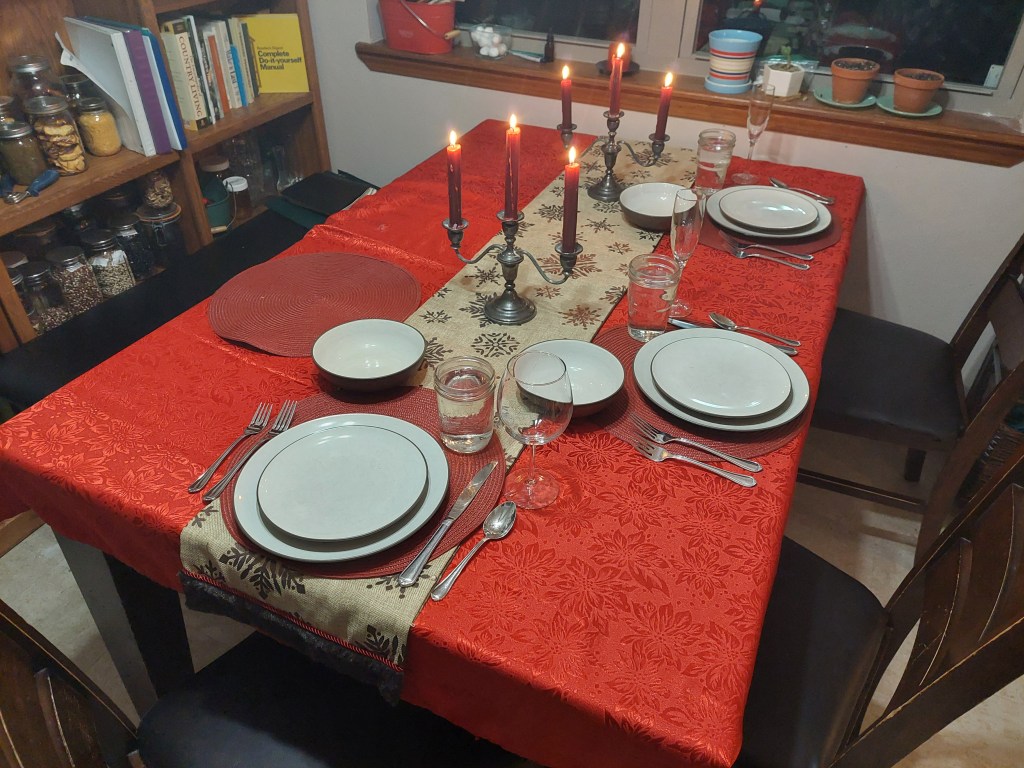






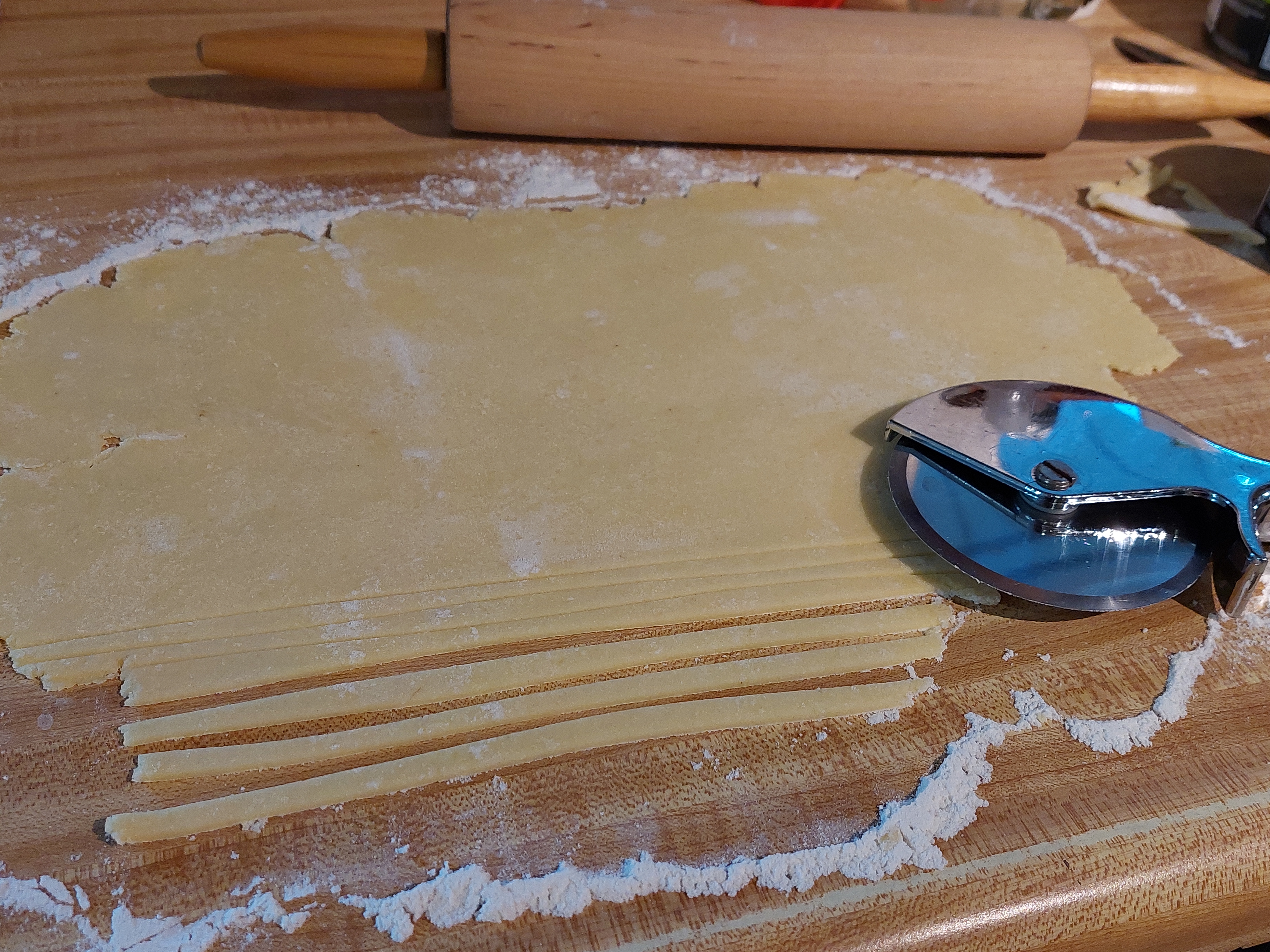
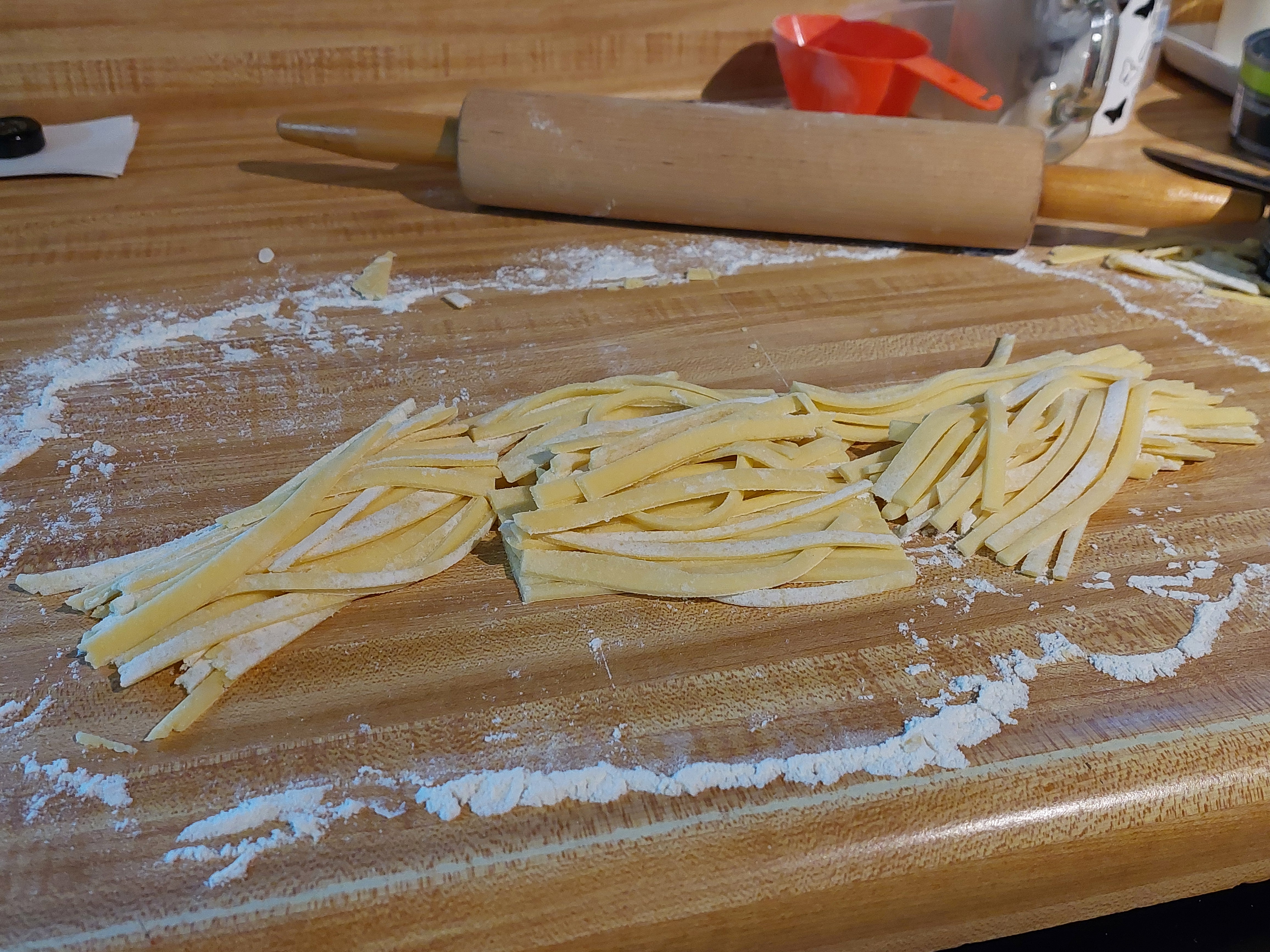





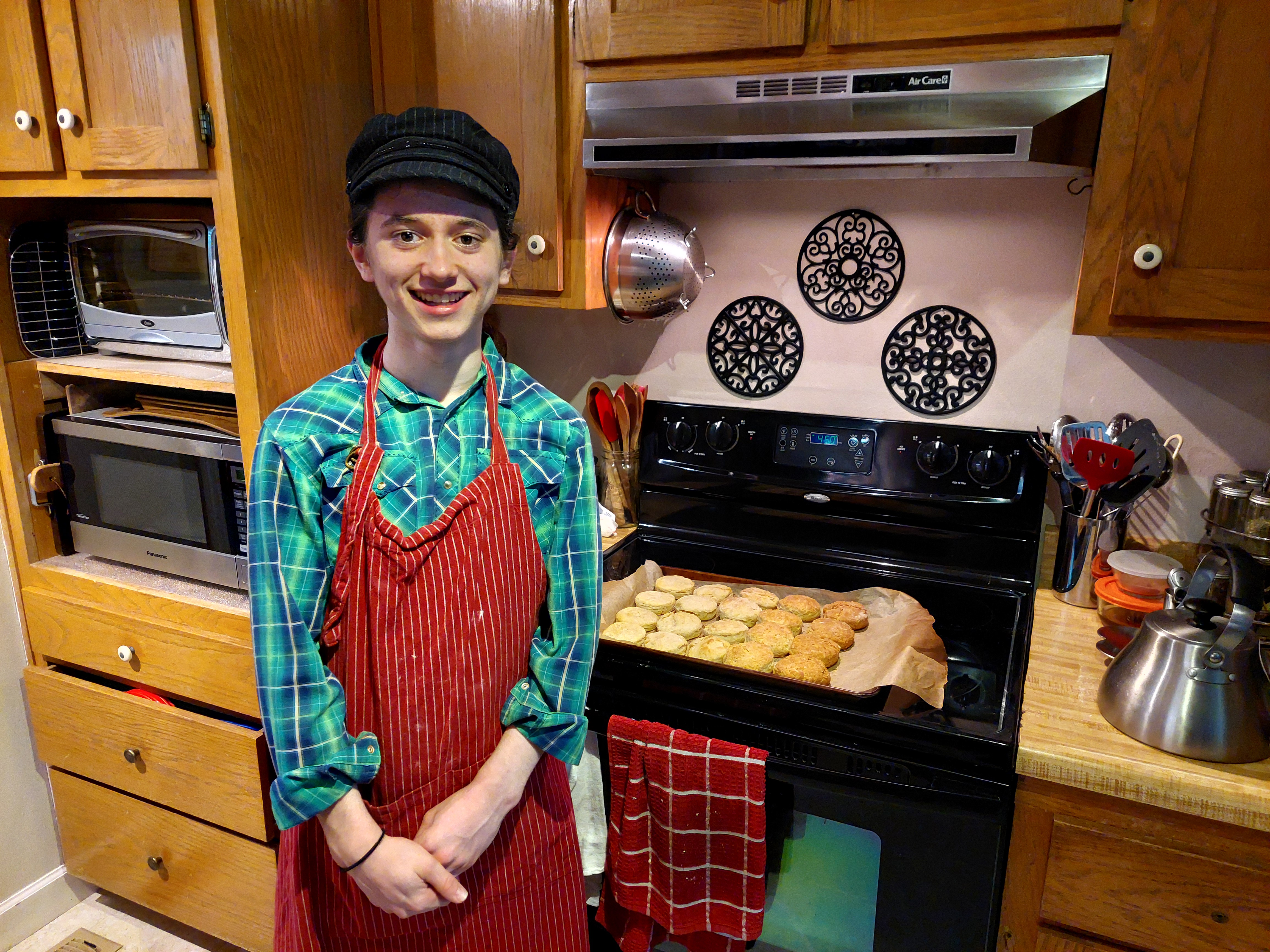




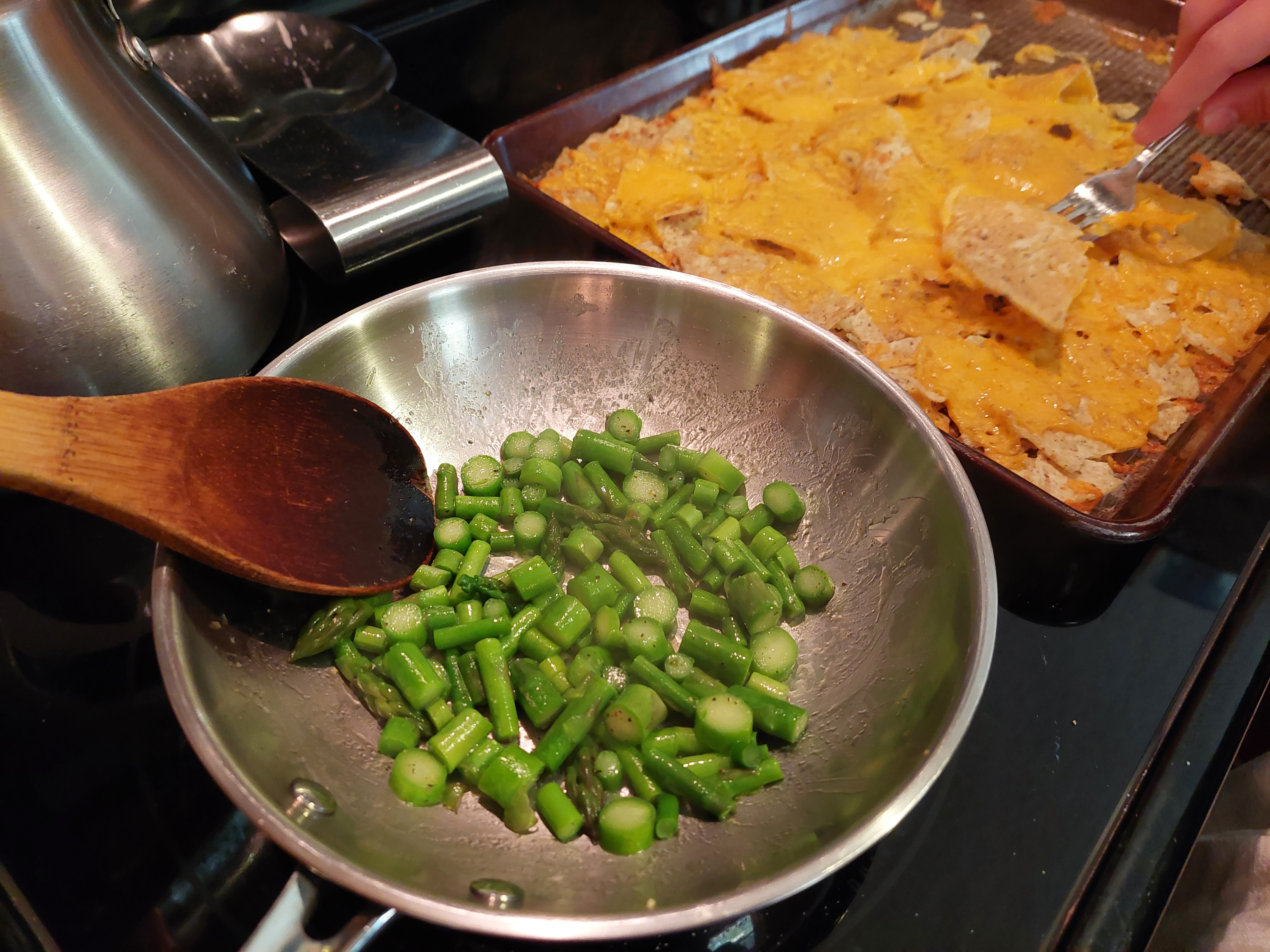





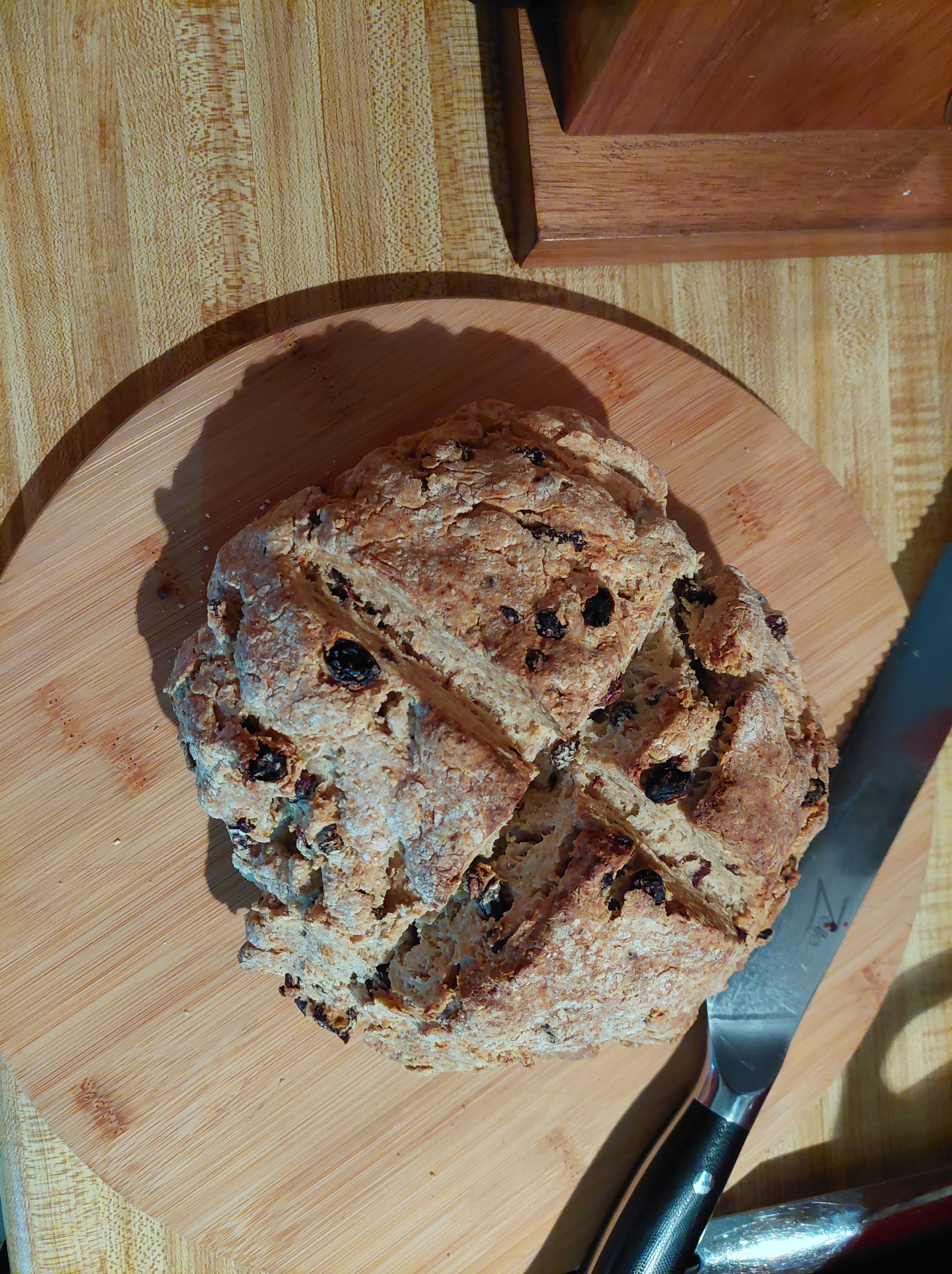





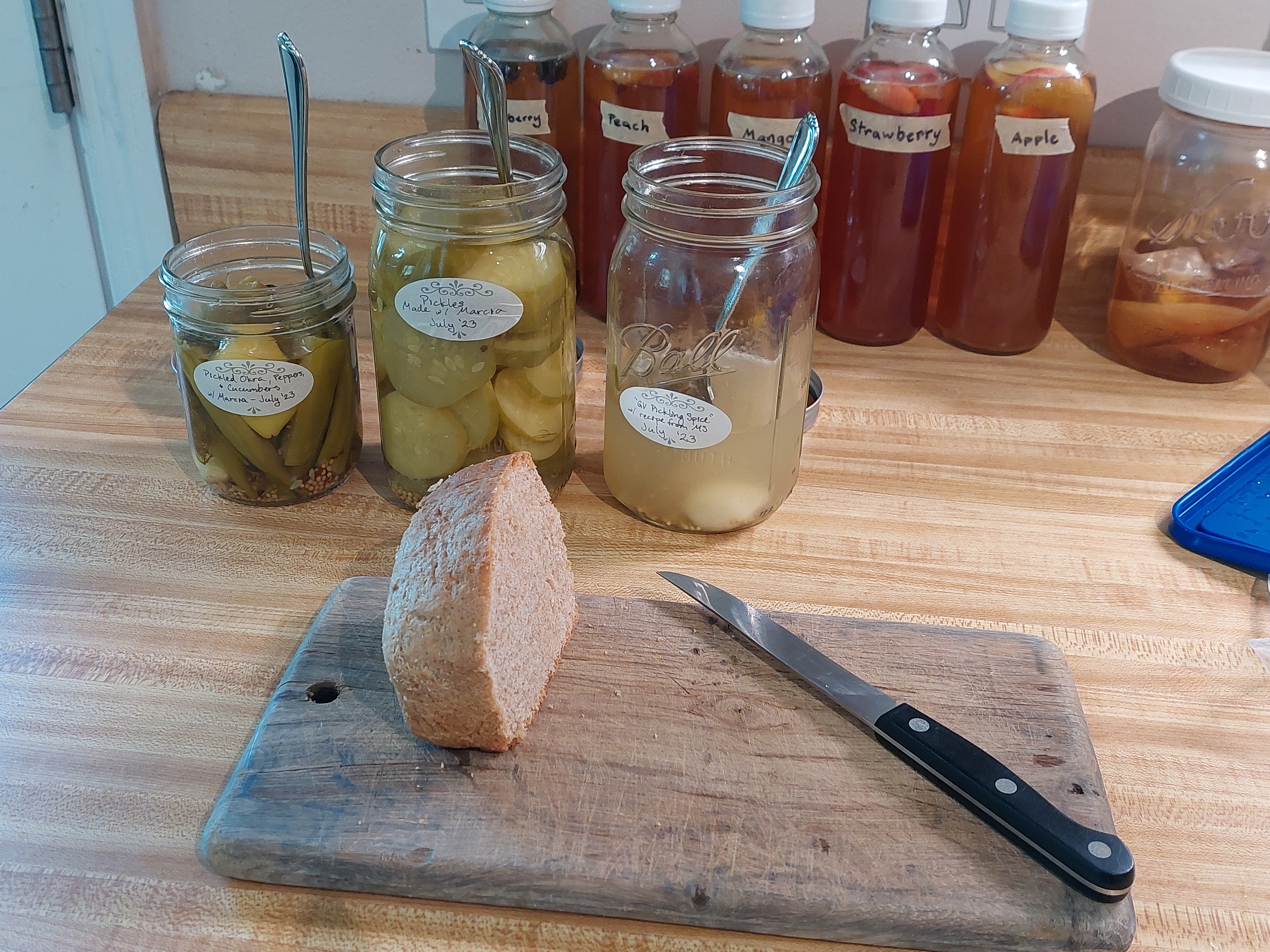
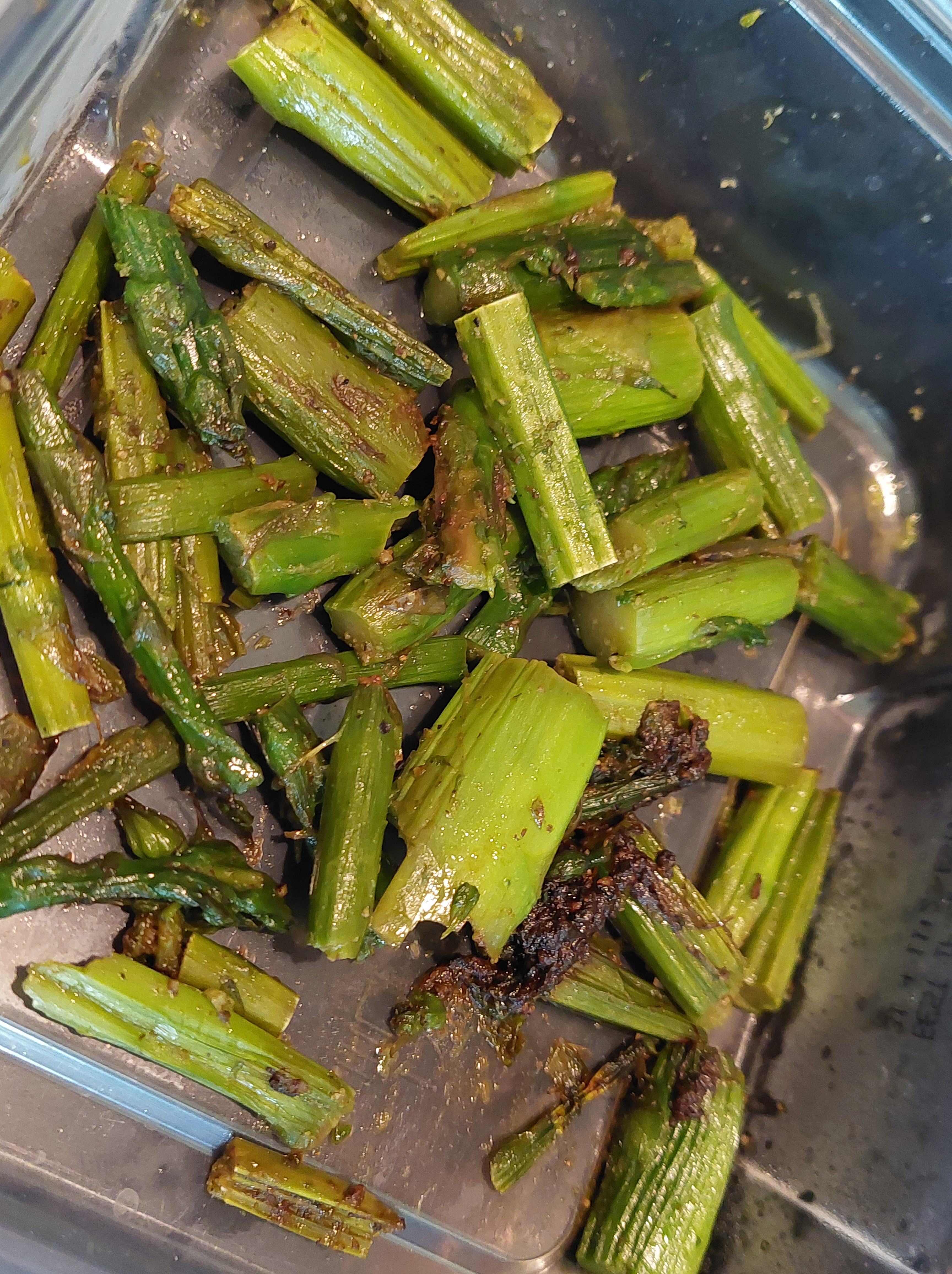
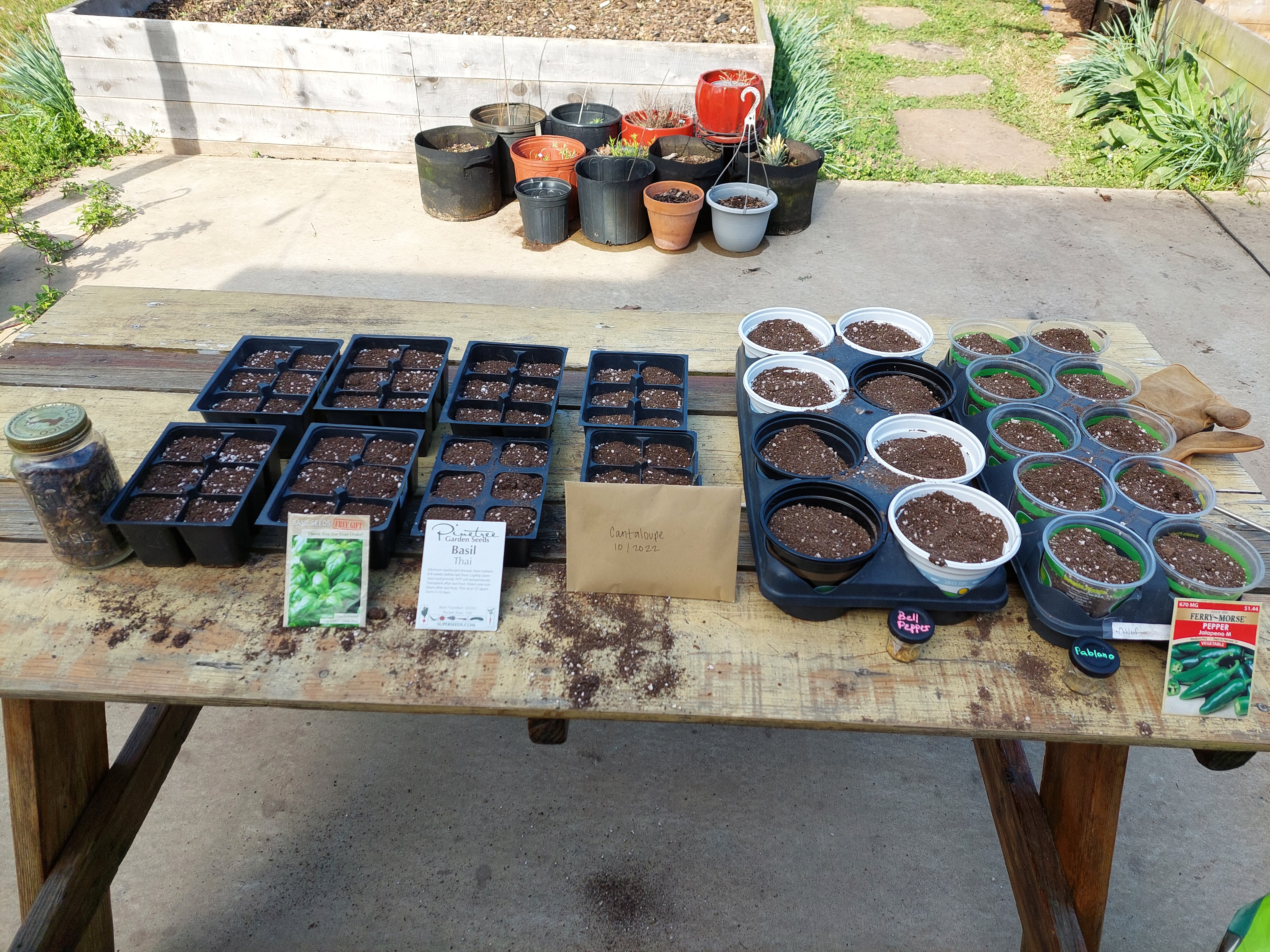


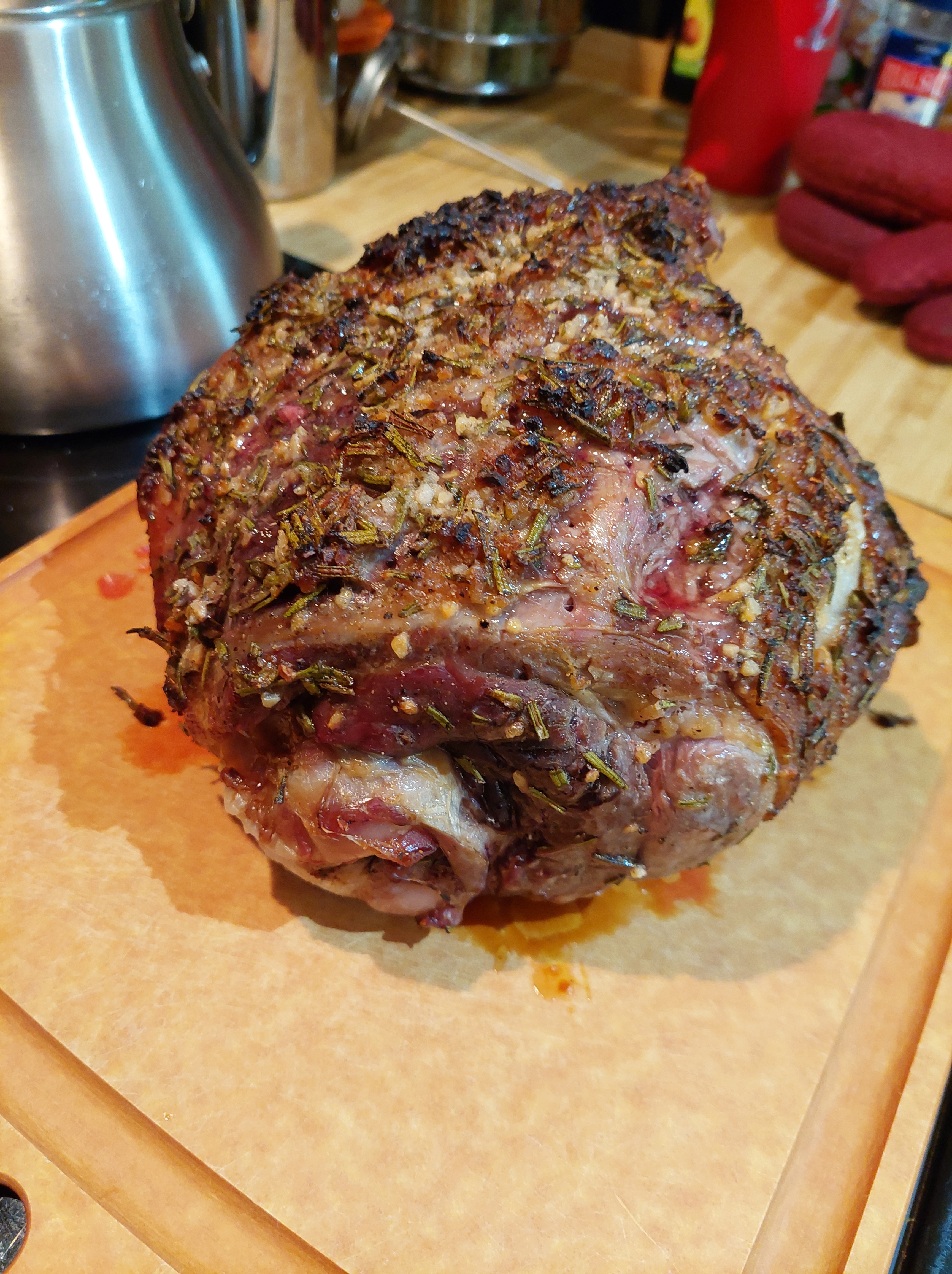



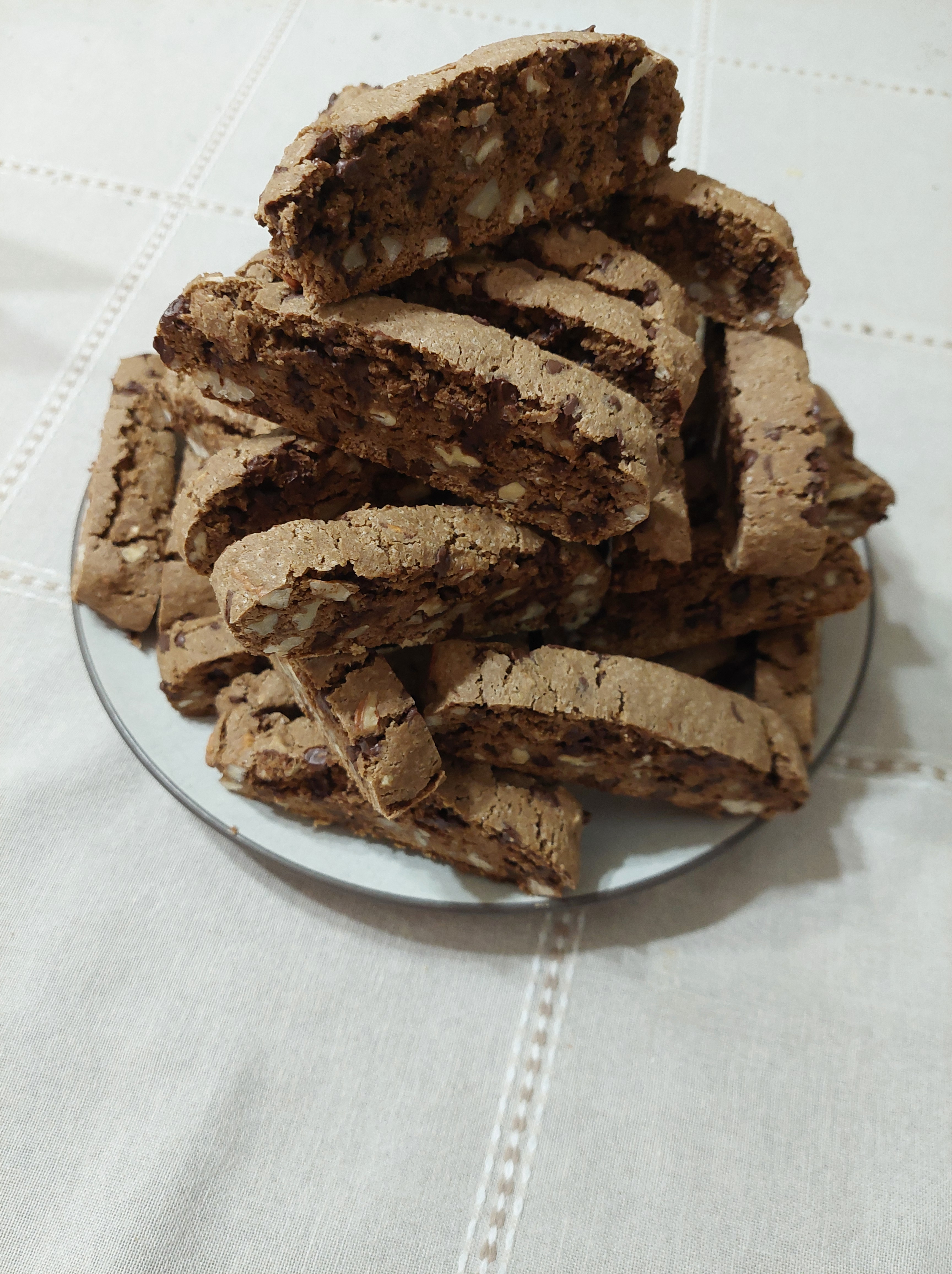













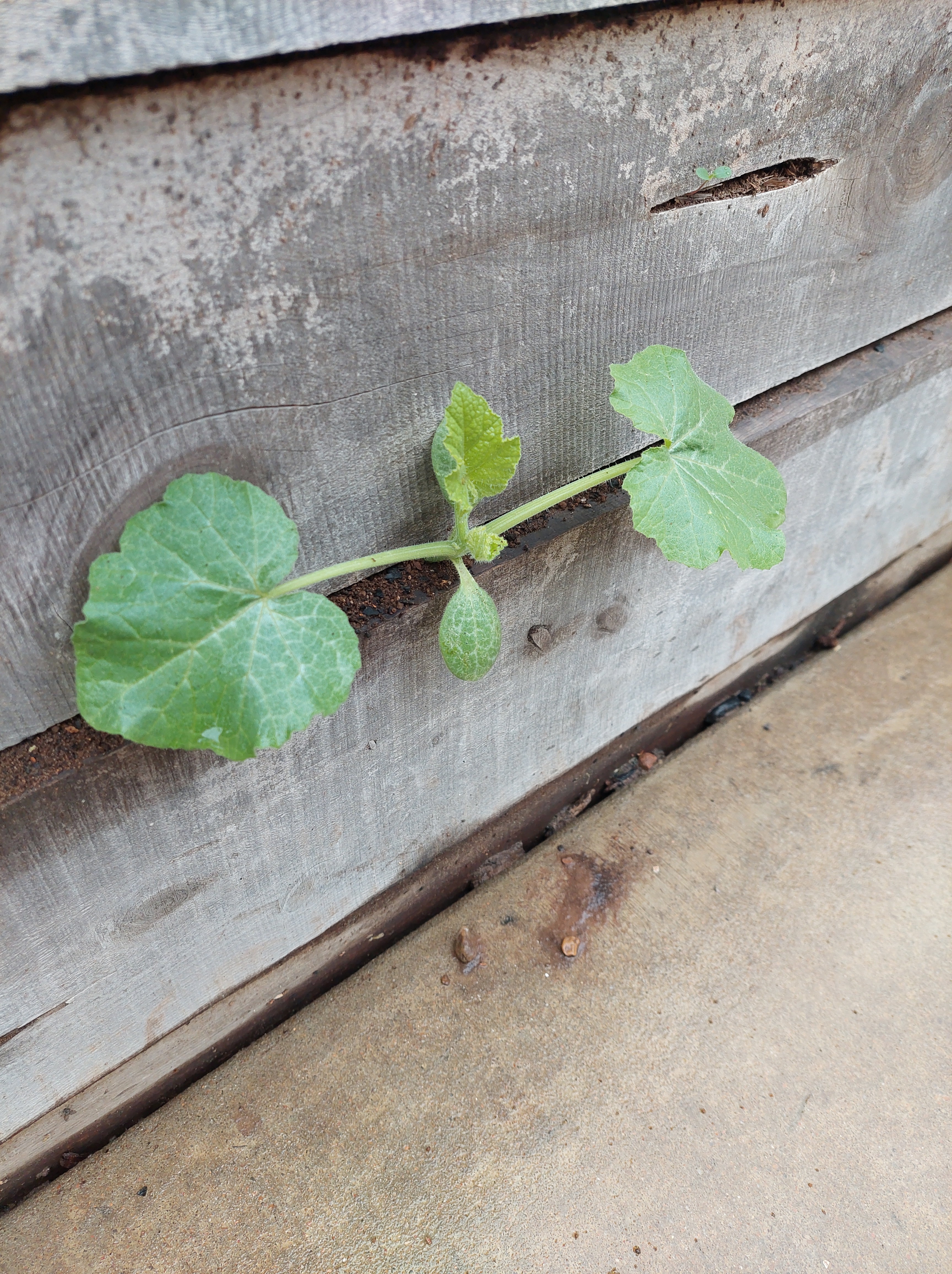
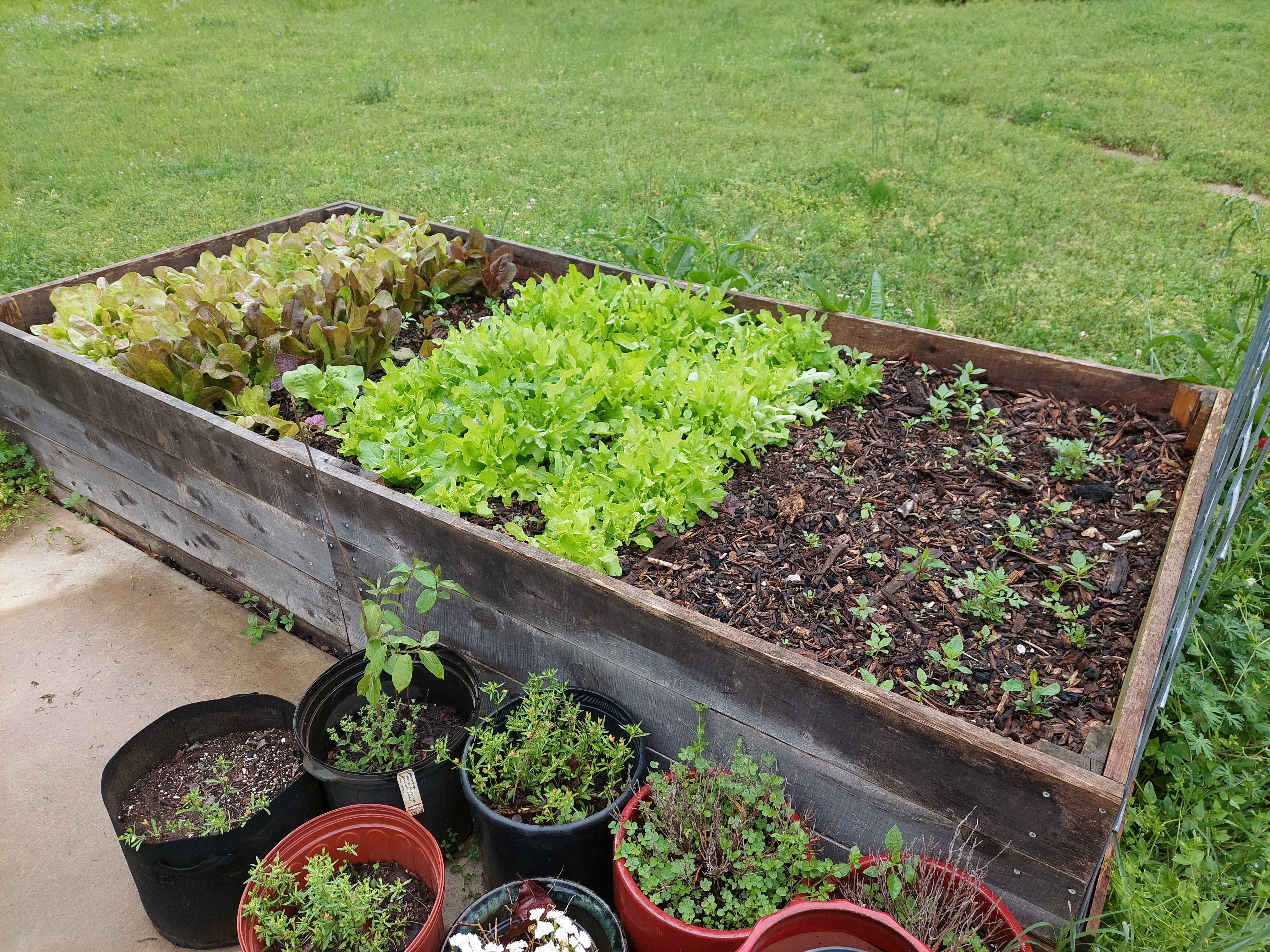


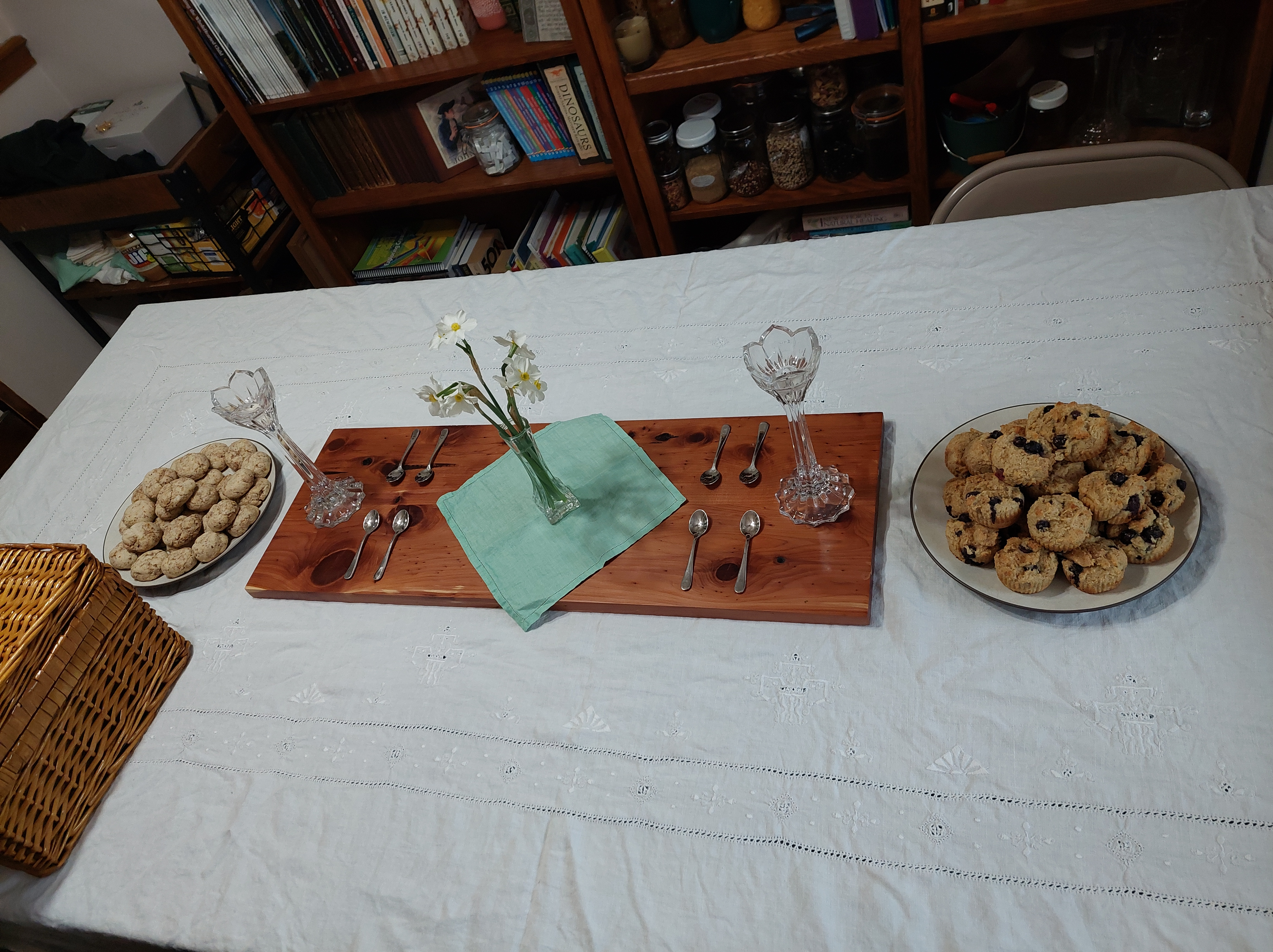
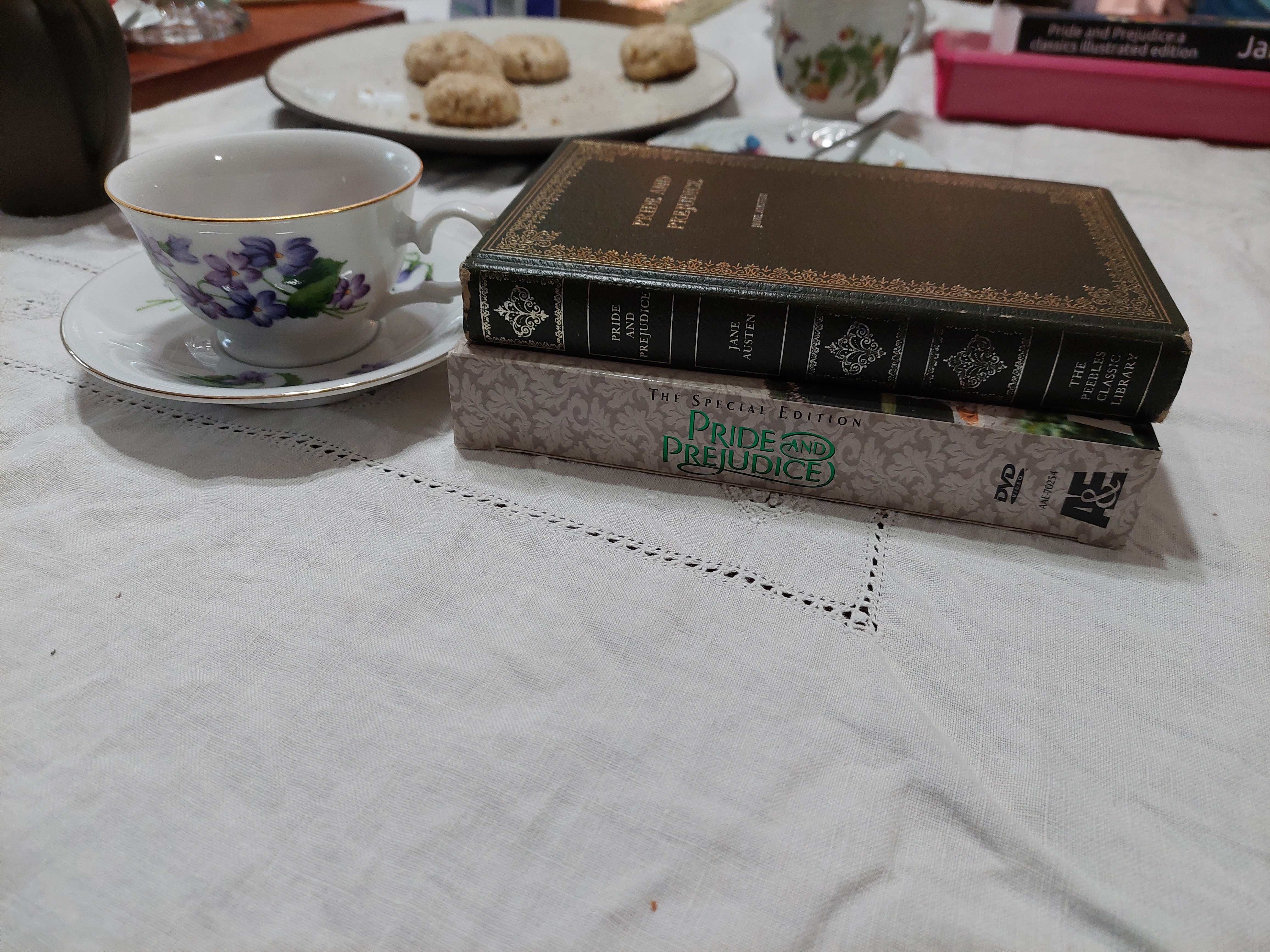
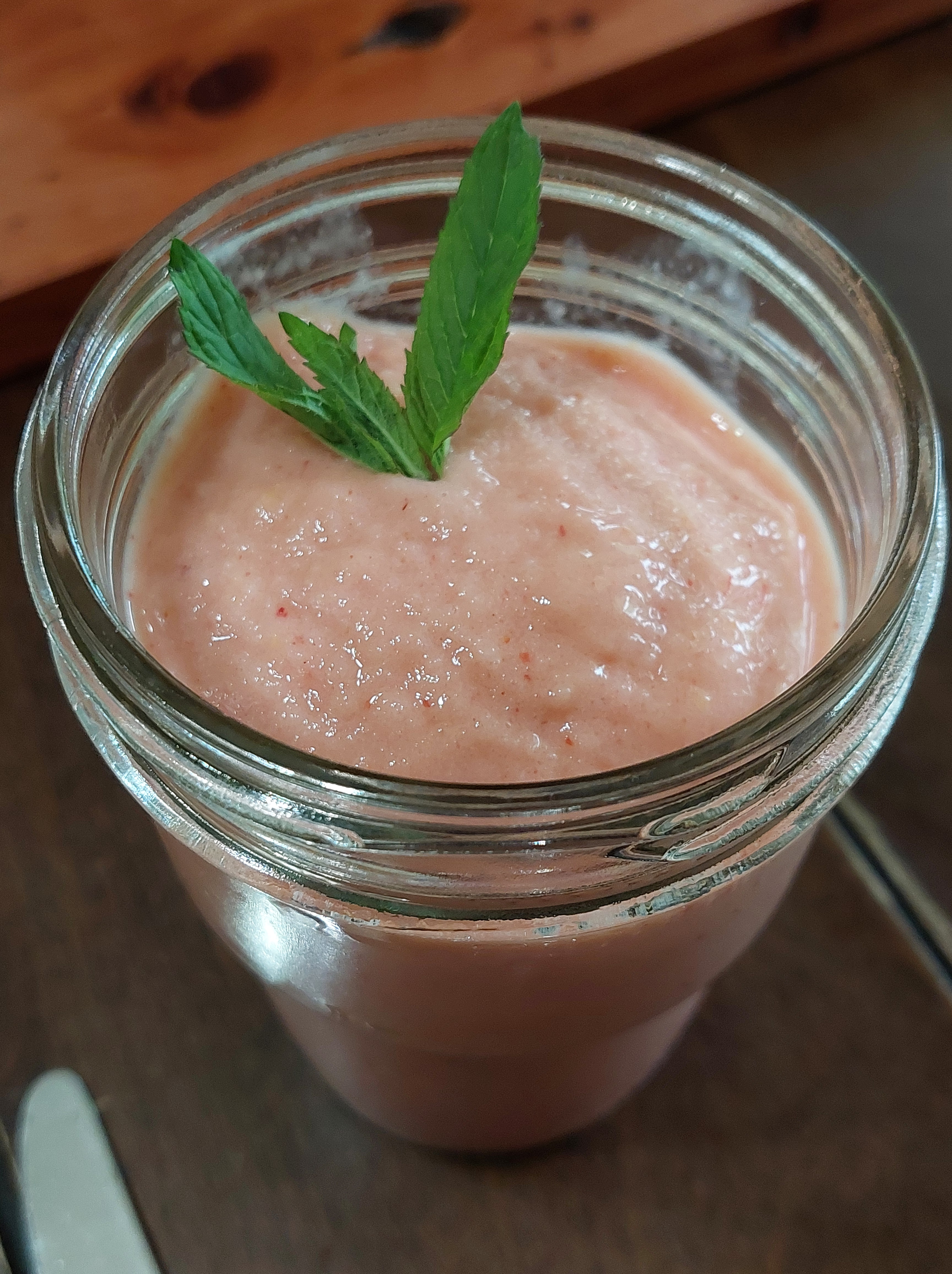

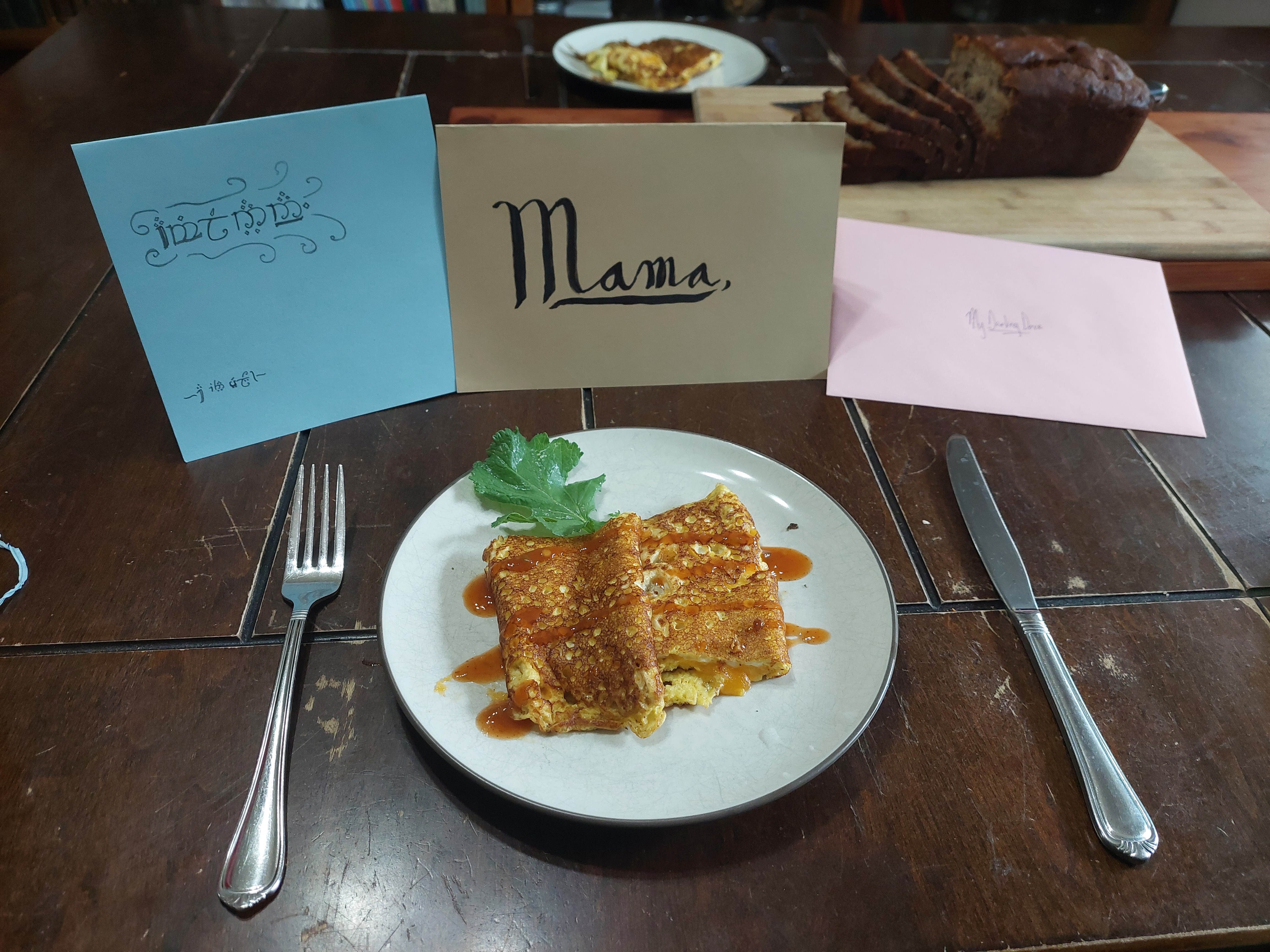


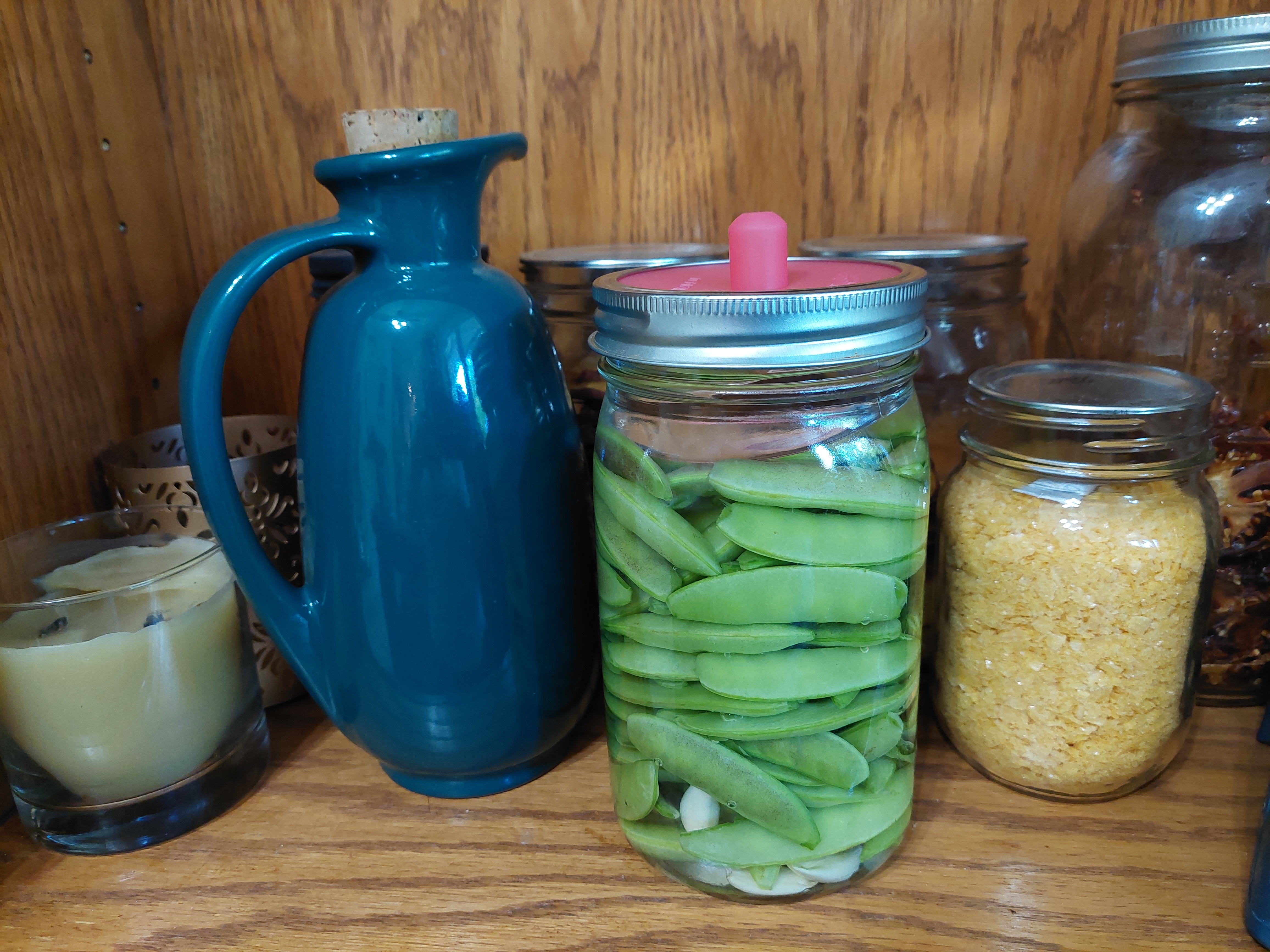
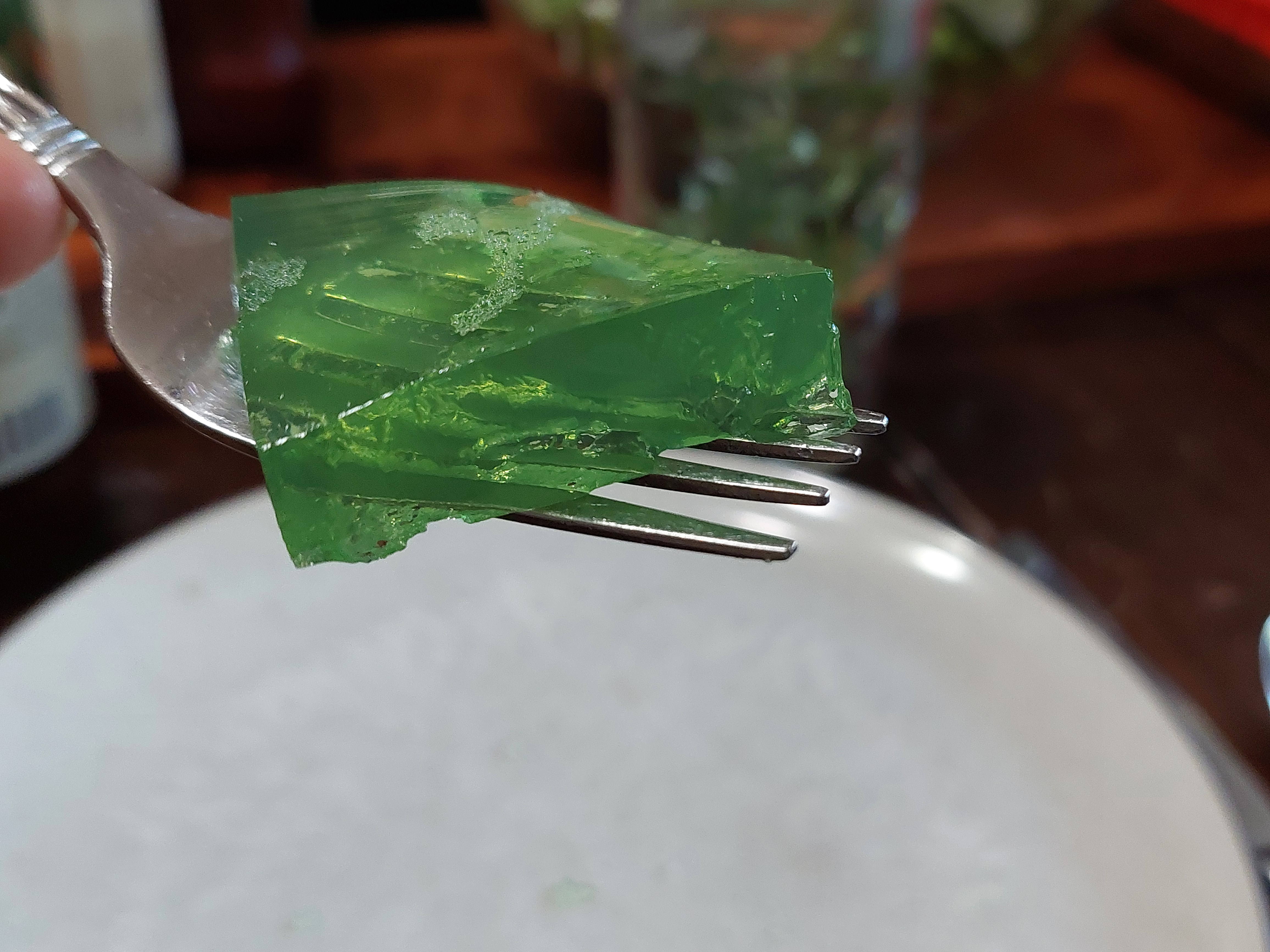

 Kept and Keeping