Reflections on The Iliad, Part 2: Humanity and Hospitality

Tags

, , , , , , , , ,

This is a guest post from my good friend, Tabitha Alloway. We both have high schoolers this year, and they’re both going to read some Homer. While I’ve read The Iliad and The Odyssey recently so that I can be in conversation with my son about what he is reading, Tabitha has gone a step further and actually written out her thoughts, which I have found both interesting and helpful! I hope you will, too. Read Part 1 if you haven’t already. Here’s Tabitha with Part 2:

The characters of The Iliad are often arrogant, petty, and easily angered—much like their gods. The Greek
deities bicker and quarrel throughout the story, employ deception, fight one another, and alternately wreck havoc on the defenders and attackers of Troy, their only guide their own whims, unconstrained by moral considerations. Capricious and fickle, they often behave like spoiled children.

Achilles is described throughout the epic as “god-like.” But perhaps their gods were more “man-like” than anything: except for their immortality and power, the deities resembled man all too much in their thoughts and vices.

The concept of forgiveness and mercy was not really an intrinsic part of Greek culture. David J. Leigh writes,

“A study of the earliest Greek literature and philosophy indicates that the Greeks developed a strong
sense of justice and law as related to both gods and humans, but did not develop a concept of forgiveness and mercy. The closest they came to the latter concept was the practice of legal leniency and the notion of ‘pity’… Neither the gods nor human beings in early Greece were seen as ‘forgiving’ people their injustices or offenses… Because the Greeks lacked a divine or messianic example of unconditional forgiveness, they did not feel a religious compulsion to forgive other persons… At most, these hints of the rising importance of pity in the Greek world might suggest some readiness for the reception of the Christian teachings on the divine forgiveness of sins and the human need to forgive one another.” (Forgiveness, Pity, and Ultimacy in Ancient
Greek Culture
)

Over time, “emergence of something beyond strict justice” did make its way into Greek thinking. And even Homer shows the characters acting, at times, with a compassion borne of pity. Homer presents these as admirable virtues, as part of what makes us truly human. He occasionally gives us a glimpse of man at his worst. And yet, woven throughout the tragedy, acts of kindness, mercy, justice, courage, friendship, loyalty, and honor are displayed.

Even by Achilles.

After killing Hector, Achilles drags the body behind his chariot, dishonoring him in one of the worst ways a man could be dishonored in the ancient world: he intends to let his corpse rot without burial.

But King Priam, Hector’s father, sneaks into the Greek camp and approaches Achilles, begging him to have pity on a grieving old man who has lost his sons. He reminds him how Achilles’s father would grieve were he to lose him. He asks to be given the body of Hector that he might bury it honorably.

It is human feeling that suddenly causes a change of heart in Achilles. Achilles the beast becomes a man again. He weeps for his own father, knowing he (Achilles) will soon die. Pity, compassion, even
gentleness overtake him.

He grants Priam his wish, even offering him food and a place to spend the night.

Another shocking turn takes place in the poem when Diomedes and Glaucus meet on the battlefield. Both men are seething with hate and ready to kill when Diomedes calls out to Glaucus, asking who he is. Glaucus proceeds to give him his family lineage. Suddenly, Diomedes plunges his spear into the ground and joyfully tells Glaucus they cannot be enemies.

“…Splendid—you are my friend,
my guest from the days of our grandfathers long ago!
Noble Oeneus hosted your brave Bellerophon once,
he held him there in his halls, twenty whole days,
and they gave each other handsome gifts of friendship.”

The two soldiers immediately make a pact of friendship, based on the fact that the ancestor of one had entertained the ancestor of the other. In one moment, hate melts into love and goodwill.

This seems strange—until one understands the significance of hospitality in the ancient Greek culture. Hospitality, or philoxenia (“loving the stranger”), was considered a sacred duty. Turning a stranger away
was an ill-advised act, for it might be a god in disguise, testing the host to see if he would practice proper hospitality. (There’s a rather interesting Christian corollary in Hebrews 13:2: “Be not forgetful to entertain strangers: for thereby some have entertained angels unawares.”)

It didn’t matter who came to your door—they must be fed, entertained, and given a parting gift. This
important ritual usually signified friendship for life. This is why, even generations removed from the
original act of hospitality, Diomedes and Glaucus instantly reconcile.

And this is the reason Paris’s treachery was so heinous to the Greeks. When Paris visited King
Menelaus’s home, he took advantage of his host’s hospitality to woo Menelaus’s wife, Helen, away.
By this act, he violated a sacred code of Greek ethics—xenia (“guest-friendship” or “ritualized friendship”), returning evil for hospitality.

Philonexia/philoxenia and philoxenos (Strong’s Greek #5381 and #5382) are found a total of five times
in the New Testament: in Hebrews 13:2 (as mentioned above), Romans 12:13 (when Paul admonishes the believers of Rome to be “given to hospitality”), 1 Timothy 3:2/Titus 1:8 (a requirement for an elder
is that he be a “lover of hospitality” and “given” to it), and 1 Peter 4:9 (“Use hospitality one to another
without grudging”).

Both the Greeks, and later the Christians, would highly value the practice of hospitality, but there are some key differences:

The Greeks practiced hospitality out of duty, fearing retribution of the gods.
The Christian practices hospitality out of love, for God’s glory and Christ’s reward.

The Greeks expected the good they did to be returned to them by their guest (if opportunity arose).
The Christian only looks to God for reward, not expecting man to pay him in kind.

The Greeks were not allowed to turn a stranger away.
Christians are actually commanded to turn some men away, and to withhold fellowship from others.
“If there come any unto you, and bring not this doctrine, receive him not into your house, neither bid
him God speed: For he that biddeth him God speed is partaker of his evil deeds” (2 John 1:10-11).
“I wrote unto you in an epistle not to company with fornicators… But now I have written unto you not
to keep company, if any man that is called a brother be a fornicator, or covetous, or an idolater, or a railer, or a drunkard, or an extortioner; with such an one no not to eat” (1 Corinthians 5:9, 11).

Peace was made between two soldiers because of an old act of hospitality. Sharing one’s home and table in the ancient world was a symbol of friendship and goodwill. This also carried great significance for new Jewish converts, who, prior to Christianity, physically separated themselves from the Gentiles.

“Ye know how that it is an unlawful thing for a man that is a Jew to keep company, or come unto one of
another nation,” said Peter to the Gentile Cornelius as he stood in his home. He continued, “But God hath shewed me that I should not call any man common or unclean” (Acts 10:28).

The gospel shattered the barrier walls between Jew and Gentile. Both were invited to the future marriage supper of the Lamb—and both could now practice hospitality with one another. Homes and hearts opened. Tables accepted guests previously shunned. When Peter cowardly went back on this and stopped eating with the Gentiles, Paul rebuked him to his face (see Galatians 2:11-13).

Dining together and practicing hospitality were important rituals in the ancient world. At least eighteen scenes of hospitality are said to be found in Homer’s works. To share a table was to share more than food. It was an acknowledgment of shared humanity. This kindness marked good men—virtuous men.
Paris is thus a true villain, lacking the humane instinct to gratefully return the good he has received. His
treachery brings strife and death to both Greeks and Trojans.

Lauren’s Note:

It is striking when reading Plato’s Republic, that in all of his discussion of justice and virtue, love is not really a part of the discussion. This is why Faith, Hope, and Love are called the “Christian virtues”. While the concepts existed, they were not held up as ideals by the Greeks in the way that Christians exalted them.

For a great podcast listen on the topic of Christian hospitality, check out: Cultivating Biblical Hospitality in Your Home and Life over at Thankful Homemaker. You can also get a hold of Rosaria Butterfield’s excellent book, The Gospel Comes with a Housekey.

Coming soon:

Reflections on The Iliad, Part 1: “Rage”

Reflections on The Iliad, Part 3: Some Thoughts on Greek Thought

Reflections on The Iliad, Part 4: Glory, Honor, Immortality, and the Folly of the Gospel

Other posts with Tabitha:
No Story is the Same, No Pain Ever Wasted
Introducing the Living Books Consortium


Reflections on The Iliad, Part 1: “Rage”

Tags

, , , , , , , , ,

This is a guest post from my good friend, Tabitha Alloway. We both have high schoolers this year, and they’re both going to read some Homer. While I’ve read The Iliad and The Odyssey recently so that I can be in conversation with my son about what he is reading, Tabitha has gone a step further and actually written out her thoughts, which I have found both interesting and helpful! I hope you will, too. Here’s Tabitha with Part 1:

“Rage—”

The opening word of The Iliad captures the whole tenor of this Homeric epic: wrath, hatred, strife,
envy, pride, the clash of wills—of both gods and mortals. Rage drives the heroes to great acts of
courage… and rage brings ruin and death.

Beginning with a description of the anger of Achilles, Homer introduces us in the opening lines of the poem to the quintessential Greek hero: a mortal man born of the gods, fated to suffer tragedy, who will accomplish supernatural feats.

When his pride is wounded over an insult by King Agamemnon, Achilles swears he will no longer help the Greek army—already nine years into the siege of Troy—till tragedy befalls them. No generous offer of gifts, restitution of wrongs, or desire to reconcile on the part of Agamemnon can move him.

When a party of men conveys Agamemnon’s offer of peace and begs him to let his “heart-devouring
anger go,” he explodes,

“… Die and be damned for all I care!…
His gifts, I loathe his gifts…
I wouldn’t give you a splinter for that man.”

Odysseus, one of the three men sent with the message, rebukes,

“Achilles—
he’s made his own proud spirit so wild in his chest,
so savage, not a thought for his comrades’ love…
You—the gods have planted a cruel, relentless fury in your chest!…”

Odysseus returns to King Agamemnon with these words: “The man has no intention of quenching his
rage.”

Later, Apollo himself expresses disgust over Achilles’s anger:

“That man without a shred of decency in his heart…
his temper can never bend and change—like some lion
going his own barbaric way, giving in to his power,
his brute force and wild pride, as down he swoops
on the flocks of men to seize his savage feast.
Achilles has lost all pity!…”

This stubborn pride costs Achilles his dearest friend, Patroclus:

With Achilles out of the fight, the tide of war turns in favor of the Trojans. After seeing the devastation inflicted by their enemies, Patroclus implores Achilles to let him join the battle if he will not do so himself. Consenting, Achilles sends Patroclus out with his own suit of armor.

Patroclus achieves a victory on the battlefield, but is killed when he pursues the Trojans back to their
city. The news devastates Achilles. In his grief, he cries out,

“If only strife could die from the lives of gods and men and anger that drives the sanest man to flare in outrage—
bitter gall, sweeter than dripping streams of honey,
that swarms in people’s chests and blinds like smoke—”

He resolves to beat down “the fury mounting inside” him, “down by force.” At last he is able to set aside
his personal grievances in order to avenge his friend’s death. A formal display of reconciliation between
Agamemnon and Achilles reveals that neither party takes full responsibility for their acts. Both blame
their bad behavior on the gods. Nonetheless, Achilles is back in the fight.

But rather than overcoming his fury, he merely finds a new target for it—the Trojans, and Hector in
particular.

Now his bloody rampage begins. He slaughters mercilessly, with cruelty and joy. He mocks and taunts, hates—and loves hating. “God-like Achilles” descends to the lows of a murderous animal, with so much hostility in his heart he cares not if he dies.

Achilles was born of a goddess and a mortal. Knowing her son was fated for an untimely death, his mother attempted to avert the inevitable by holding him by his heel and dipping him into the River Styx when he was an infant. He was made invulnerable everywhere the water touched him. His heel, which was not submerged, became his one point of weakness. It is Paris who later brings down the mighty warrior—with a poisoned arrow to his heel.

But Achilles’s true heel, his vulnerability, is his inability to control his spirit and check his wrath. “He that hath no rule over his own spirit is like a city that is broken down, and without walls,” wrote the wise man (Proverbs 25:28).

The conquer and sack of Troy after the death of Achilles mirrors the defeat in his own heart, the
pillaging of his soul.

The great hero is a conquered man, driven by his feelings and passions rather than guided by reason
and wisdom. He has no walls of self-control, no defenses against his own pride that poisons him long
before Paris’s arrow flies to its mark. His spirit ravaged by rage, he falls. His “cruel, relentless fury”
nearly burns to ashes his very humanity, just as the Greek fires will later blacken the streets of Troy.

And yet, for a moment in the saga, before he reaches his end, his fury relents–and Achilles finds room in his proud, bitter heart for mercy…

More in this series:

Reflections on The Iliad, Part 2: Humanity and Hospitality

Reflections on The Iliad, Part 3: Some Thoughts on Greek Thought

Reflections on The Iliad, Part 4: Glory, Honor, Immortality, and the Folly of the Gospel

Other posts from Tabitha:
No Story is the Same, No Pain Ever Wasted
Introducing the Living Books Consortium

Homemaker’s Journal: Things Fall Apart (Spring 2024)

Tags

, , , , , , ,

It’s about time I got around to my second installment of my seasonal Homemaker’s Journal. If I had gotten around to it last fall, I would have shared all about how we survived our first season of middle school basketball (this was a boost to my meal planning skills, to be sure).

And maybe I would have included some pictures of holiday food prep.

But that was a busy season and it led straight into a hard season. And that’s what this post is about.

This year our family has suffered a loss, a broken arm, and a broken hand (all three of these separate instances within about six weeks of each other—and in this same time we missed both Christmas and New Years with extended family due to the flu). Since then, we’ve had the upstairs AC go out (still needs replaced), a car break down (was recently replaced), a fender-bender (oops), another vehicle AC failure, another broken-arm scare that thankfully turned out to be a sprain, and a freezer that put itself on defrost voluntarily (recently replaced but some food is still in my MIL’s freezer…).

While there were some tears and confusion in the first part of the year, and for good reason, these later trials have found us a bit incredulous and wondering what it all means…but they’ve also found us laughing.

“Well, ok, Lord. What’s next?”

Even when God’s providence is hard, we know He’s good.

I’ve also joked with Nathaniel that these things are probably all his fault since he suggested that we focus on learning to pray this year. 😉 (Here’s a book we’ve read on the subject: Prayer: The Church’s Great Need.)

Even as we work to fix things, pay medical bills, and budget for multiple major purchases, we’re trusting the Lord that He knows what He’s doing in all of this whether we ever figure it all out or not.

We feel the weight of each of these trials, but there’s a funny, non-congruent peace that comes when you can laugh at it all and look to the Lord with open hands. I think we’re learning contentment.

“It is always possible to be thankful for what is given rather than to complain about what is not given. One or the other becomes a habit of life.”
~~Elisabeth Elliot

Instead of grumbling about the cost, we could give thanks that we had enough savings to get what we needed without going into debt.

We could see the wonderful things growing in our garden despite not having had as much time to dedicate to it as we had planned. (And we can certainly give thanks that our friends helped us start our garden this year for my husband’s birthday since his hand was broken.)

We could praise the Lord that He is indeed teaching us to pray. And not just for things but for hearts more ready to receive whatever it is that He chooses to give.

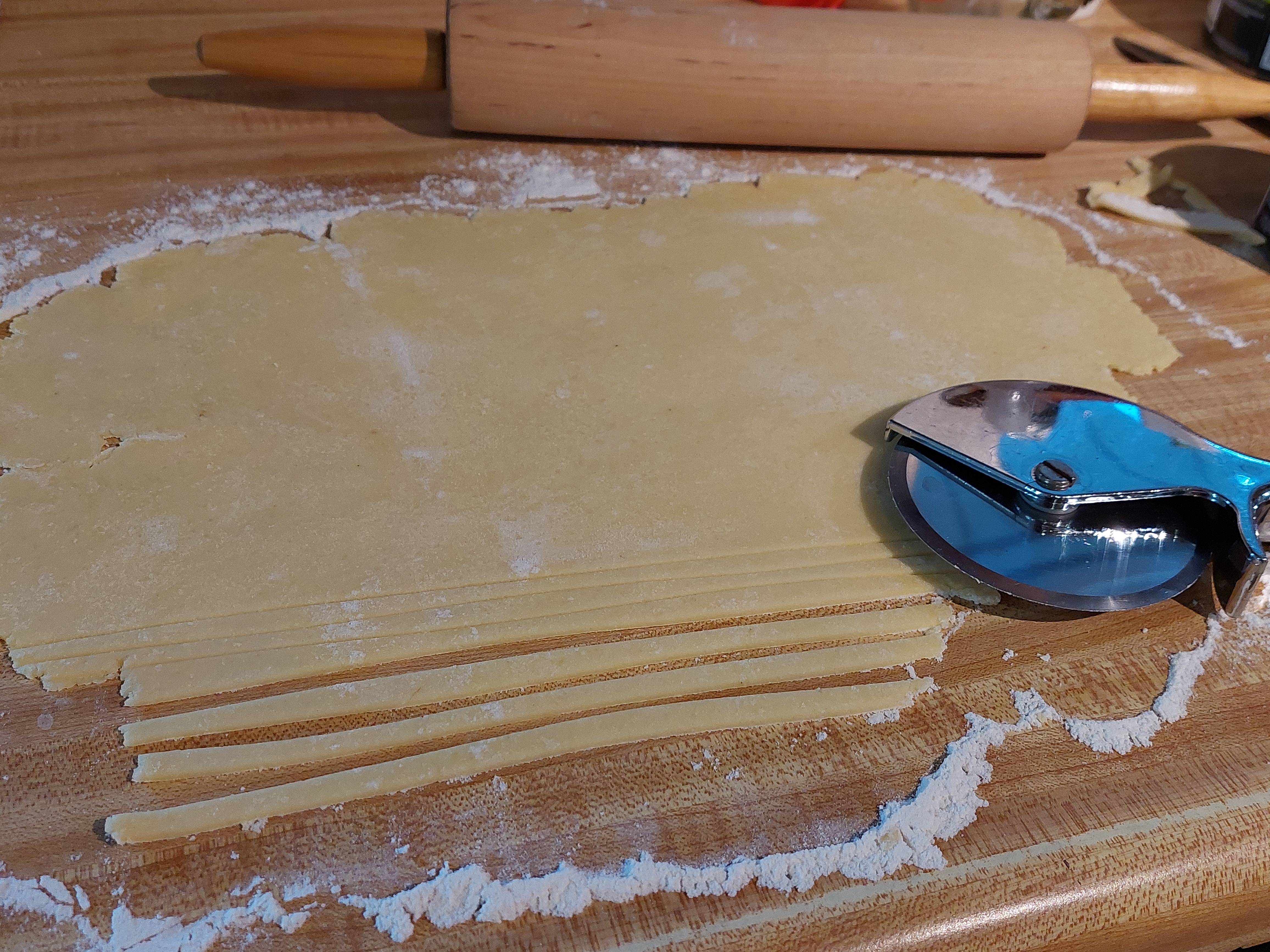
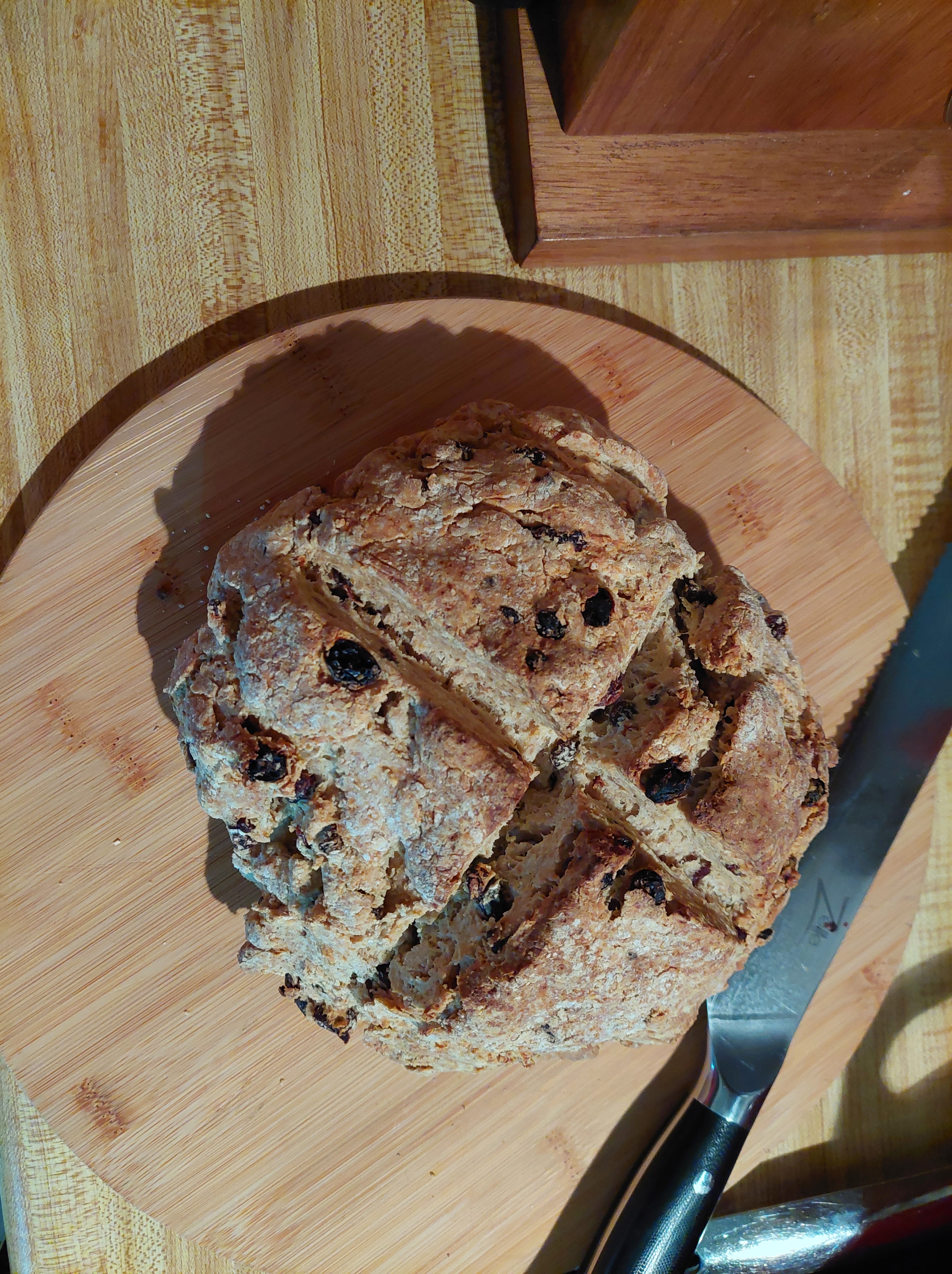
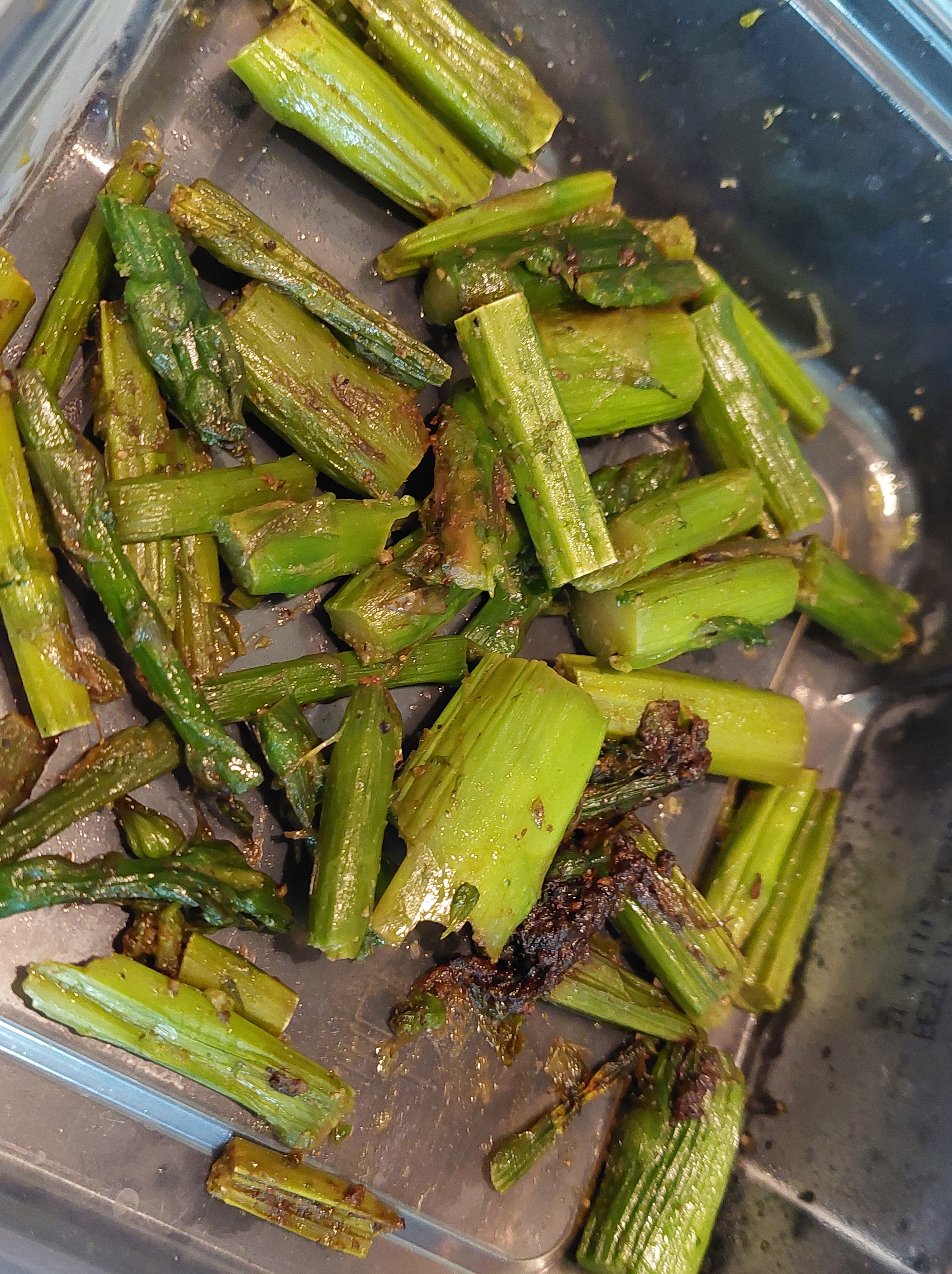
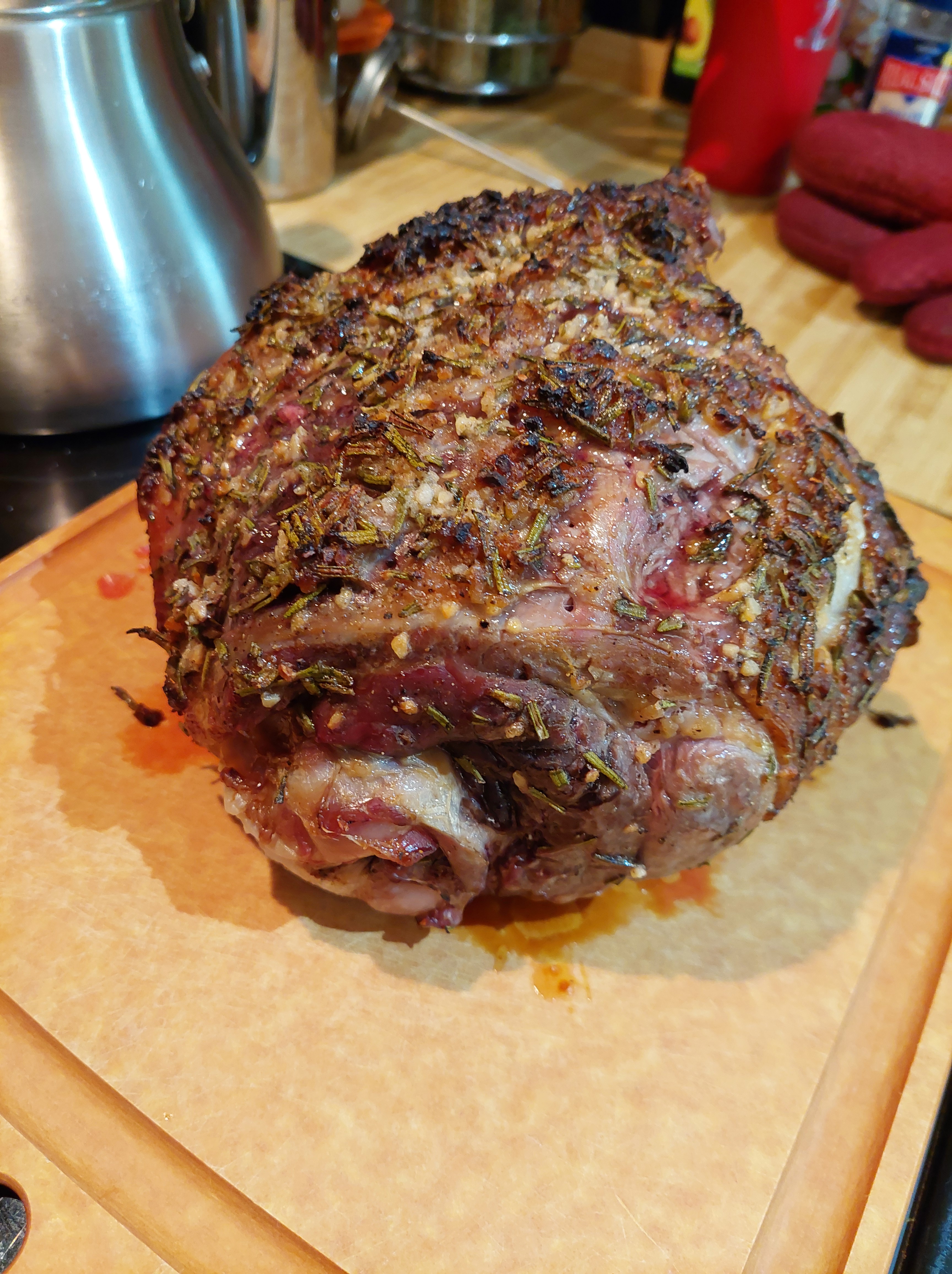
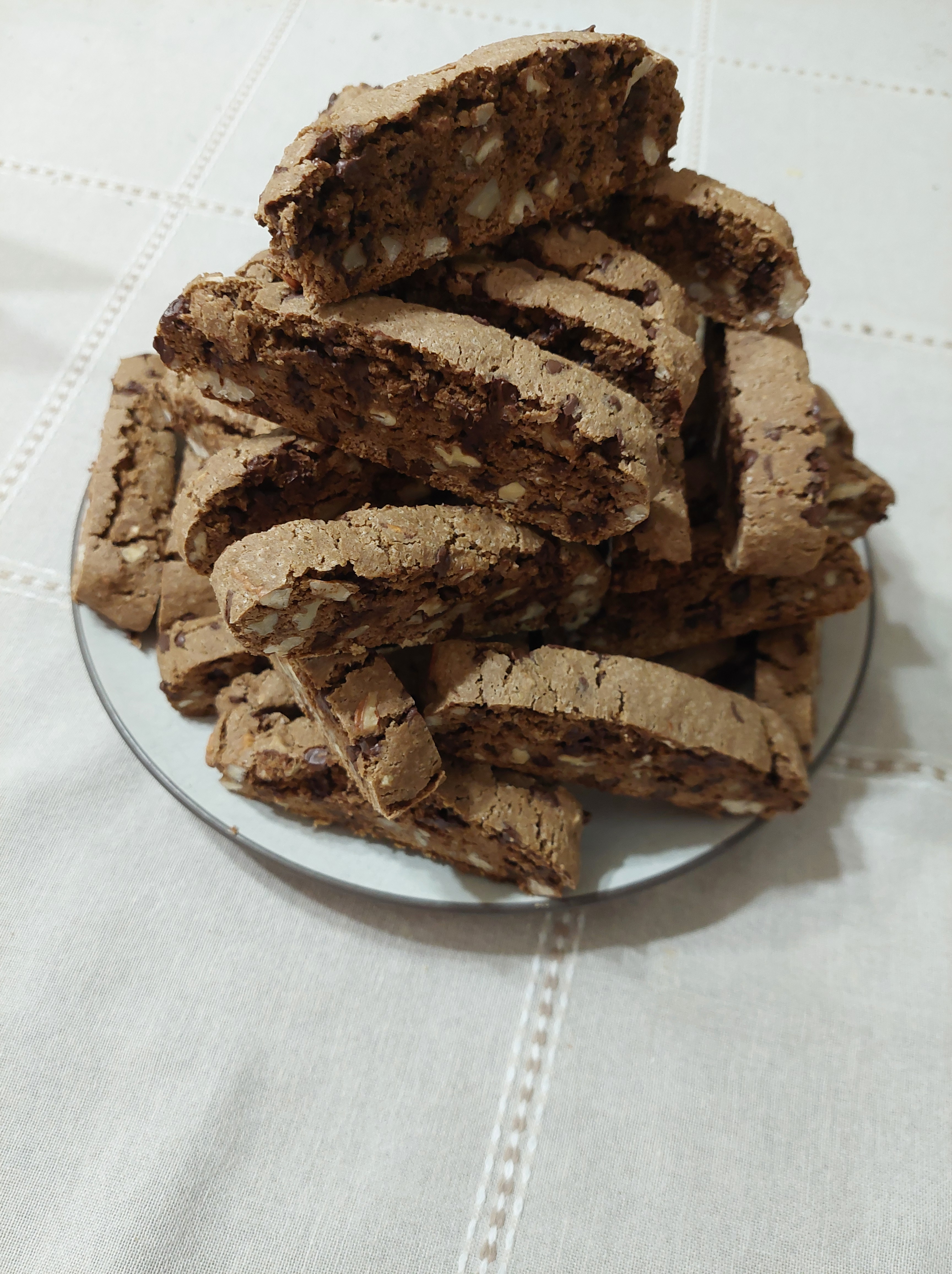
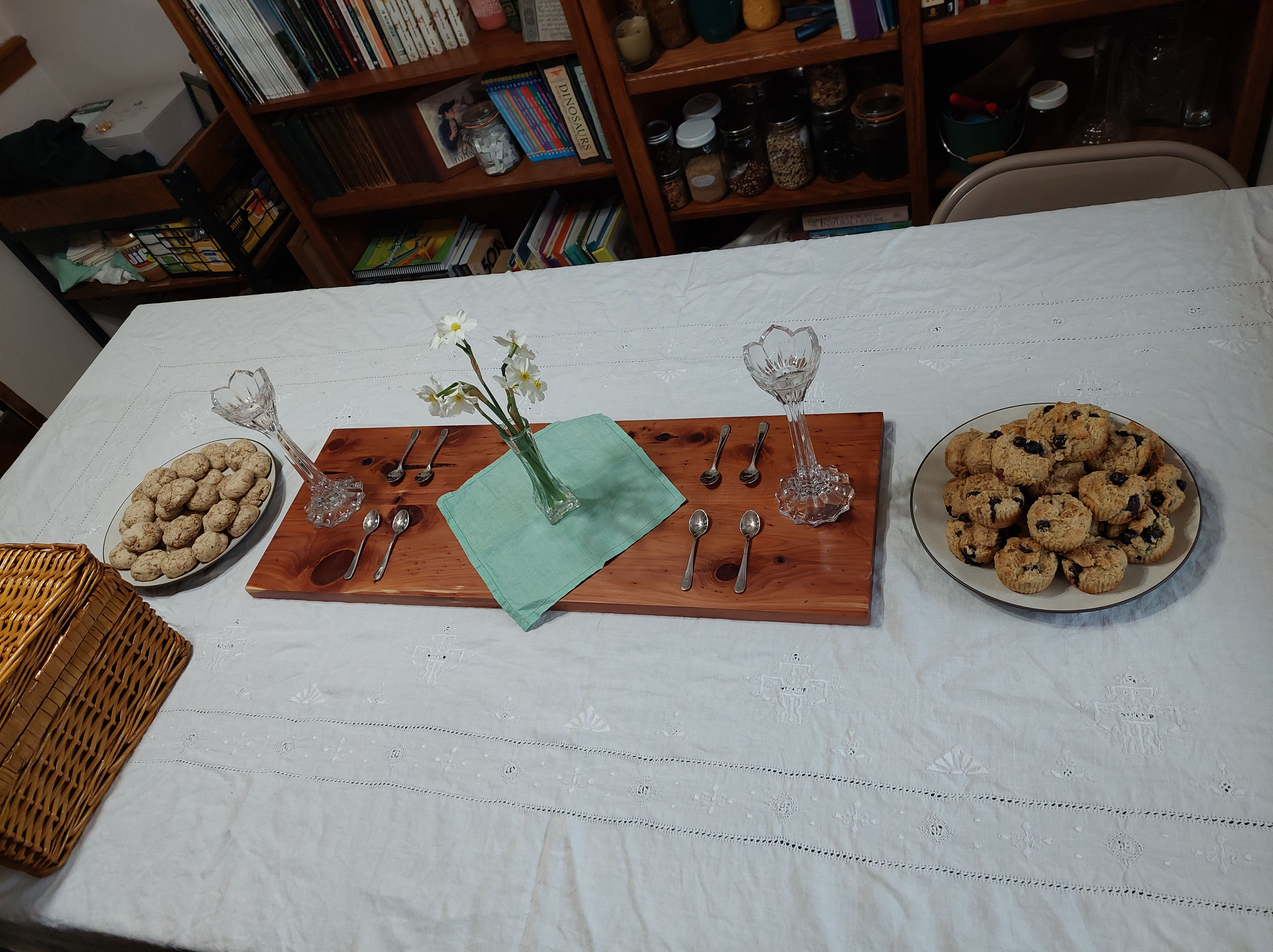
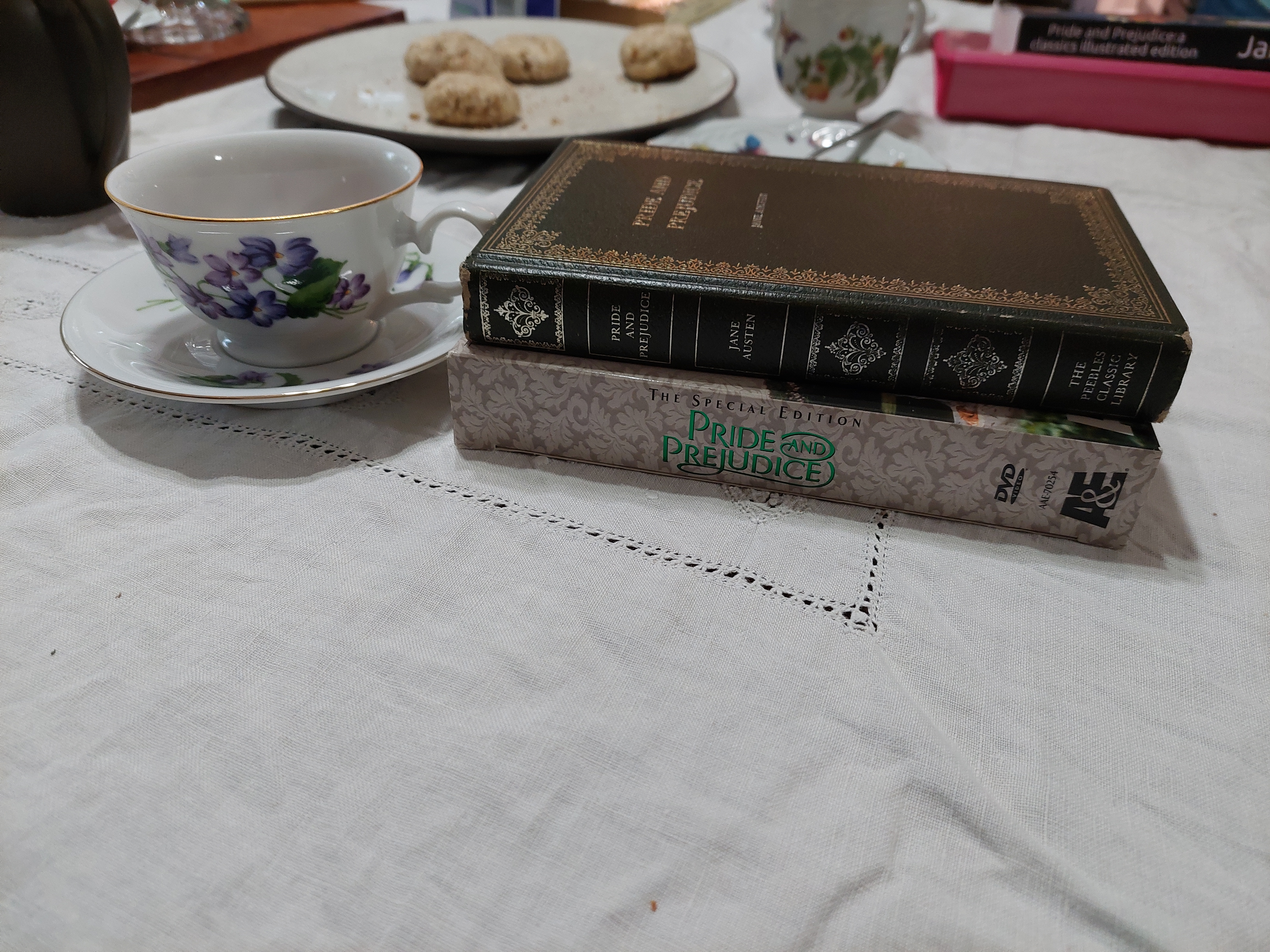
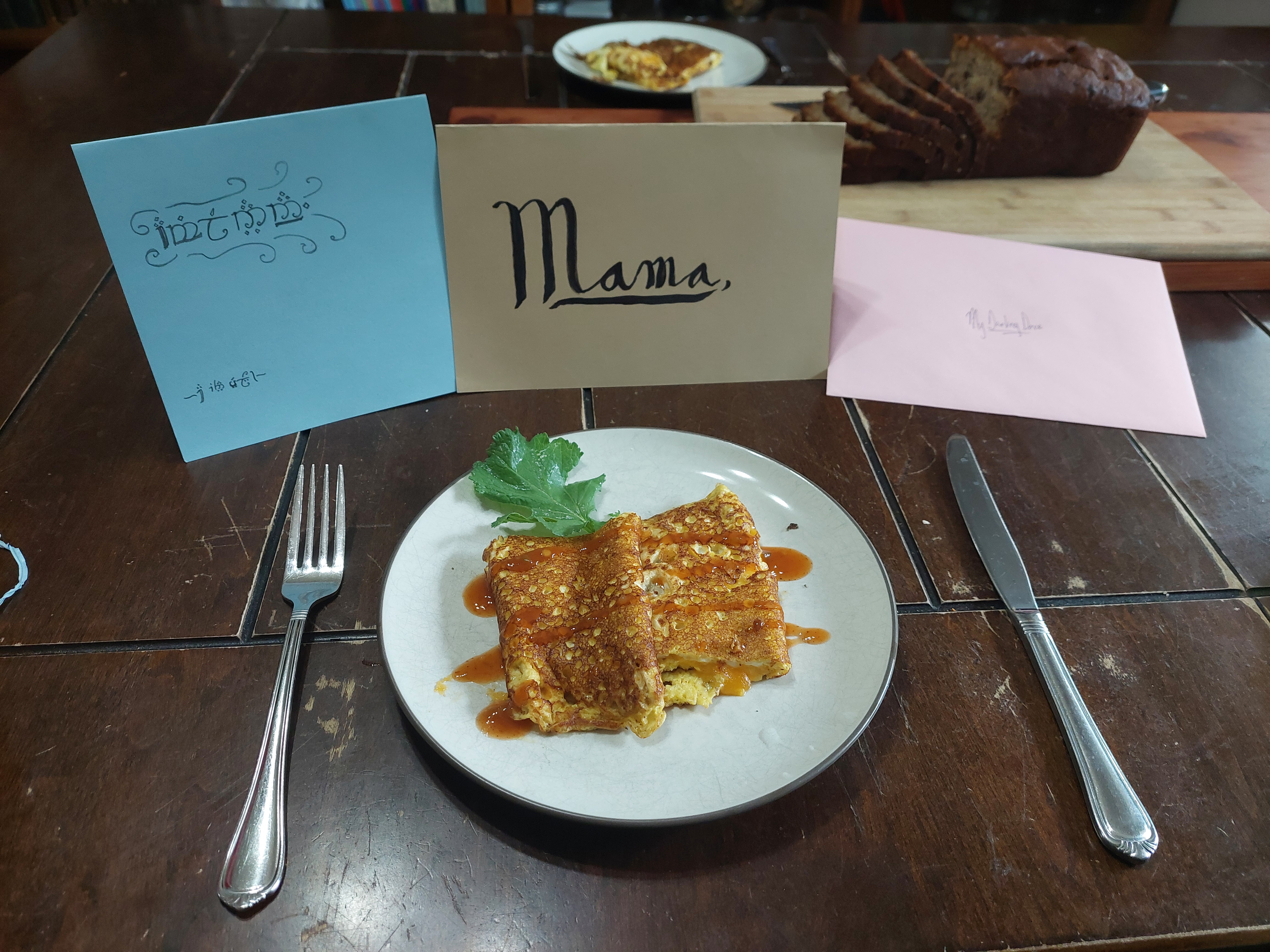
Now that you know the context of the past several months (or…year), let’s jump in to the things that have been growing despite all-the-things breaking down. Here are some of my cooking and gardening escapades from this past spring:

It’s good to take stock of the good things that are growing and going on even in the midst of a hard season. God’s abundant goodness can be seen all around us if we look for it in faith.

Have you tried anything new lately?

Book Review: Mama Bear Apologetics

Tags

, , , , , , , , , ,

Mama Bear Apologetics: Empowering Your Kids to Challenge Cultural Lies by Hillary Morgan Ferrer (and a handful of other Christian women)

My rating: 4 of 5 stars
I give this 4 stars, but that’s rounded up from 3.5.

While I am a mother, I am not the target audience for Mama Bear Apologetics. I’ve been around the block a few times when it comes to apologetics. The authors are writing to moms who aren’t so familiar with it. But I was excited to see this title in Hobby Lobby and wanted to preview it to see how useful it would be for younger moms I know.

Verdict: The content chapters are very good at briefly covering the various isms and issues of our day–I’m thankful that a book like this exists. I’d say it is useful to its purpose but with a few very important caveats, especially concerning the introductory chapters.

Most foundationally, while I understand wanting to stress the importance of apologetics, there were some problems in how the authors laid it out in the first two chapters. They talked about apologetics as “foundational”. They cited the sad statistics of how few professing Christian teens actually read their bibles (among other stats). But then a few pages later they said that reading the bible (along with Sunday school, etc) isn’t enough–we need apologetics. There’s a disconnect here, folks. If only 5% of professing Christian teens today read the bible, and that’s down from 8% in 1991, then the most foundational problem is that teens aren’t actually in the Word. And what’s more, those teens from 1991 (or the decade or two after that) are parents today–so we have biblically illiterate parents as well as teens. If apologetics gets people to dig into their bibles more, great. But the foundational issue is not a lack of apologetics. The foundational issue is a lack of a foundation–in the Scriptures.

To be fair, the author of chapter two does say: “We need to remain in God’s Word and in regular prayer to Him. After all, we can’t defend Scripture if we don’t know it.” But 1) this was one statement in a sea of overemphasis on apologetics, 2) it still makes bible reading subservient to apologetics (“we can’t defend…”) instead of reading it for its most foundational purpose–to know and love God, and 3) it still only refers to the parents and not the training of the children to read the Bible for themselves.

It may feel to some like I am splitting hairs here, but it is incredibly important to put things in their proper order! Jesus is worthy of devotion no matter what goes on in the world around us. And His Word is precious to us because it is how we grow in knowledge of our God and how we can serve Him. Then we can learn to defend against enemy attacks because we prize what we are defending. We only arm ourselves with apologetics because there is something worth defending and holding onto for its own sake. I trust that the authors agree with this, but I sure wish they had taken the time to allude to the real foundation and give a brief outline of core Christian teachings and basic spiritual disciplines before diving into the rest of their content. A little less cutesy talking down to moms would probably have provided the space needed.

Connected to this inordinate emphasis on apologetics is the idea that apologetics is needed–and even apologetics curriculum!–for very, very young children. Everything in me screams, “No!” Children need to be steeped in the Word of God. Their first instruction needs to be the positive teaching of Christian faith and practice in reference to the Bible and their everyday life, not instruction in reference to the wrong ideas in the world. A closing thought from one of the authors at the end said that in reading this book, “you have taken your first step toward teaching yourself and training your children to love God with their minds. Bravo!” The encouragement intended is not lost on me, but a book like this is not the first step, friends. Confess your sins and trust in Jesus for salvation. Read God’s word, memorize it and meditate on it (THIS is how you train or renew your mind). Participate in local church fellowship, baptism, and the Lord’s supper. Teach and share these things with your children and pray for the Lord to work. The ordinary means of grace are the first steps and they are the step after that and the step after that and the step after that–even as you add some apologetic training to your ordinary, faithful Christian lives.

In chapter two, there’s a bullet point tip to “Carve Out Regular Family Time to Study”. This sounds great on the surface, but it’s not a direct call to read the bible together as a family, it’s a call to go through apologetic resources (which is fine if you’re already doing the basics, but it’s sidestepping the obvious if you aren’t). And if you need an example to help you get started, “we can look to…other faith systems that have successfully established certain routines within their families. Islam, Mormonism, and Orthodox Judaism prescribe specific times each day during which they stop to pray, study their religious texts, or disciple their kids.” My friends, we don’t need to look elsewhere for how to train up our children, as interesting and instructive as an outside comparison may be. Our point of reference ought to be Deuteronomy 6:4-9 and Ephesians 6:1-4 and the countless examples of faithful Christians who have been intentional about training up their children in the ways of the Lord for centuries to the present day. Not to mention countless modern books encouraging parents in their role of discipling their children. Why not recommend one of those books in passing? Why not call parents to their duty in reference to scriptural command rather than in reference to fear of the culture?

The above examples are real point-of-reference problems in the book (almost all from the introductory material in chapters one and two). As much as I love the content chapters on the issues of our day, the way in which the entire discussion is framed falls short–readers ought to take this into consideration. Seek out positive examples of Christian training and instruction in the home–from real, live godly people and solid books. Apologetics is only one small but important part of the whole, and unfortunately that isn’t communicated well in Mama Bear Apologetics.

Most of the rest of the book was very good and helpful. The chapters on Discernment and Linguistic theft were great. As were those on Self-Helpism and Naturalism.

But Chapter 7 on Skepticism (agnosticism and atheism) contains encouragement for Christians to embrace a “healthy skepticism”. This is clever, perhaps, but I don’t see the Scriptures promoting any kind of skepticism. Wisdom and discernment and turning away from lies, yes. Taking captive every thought, yes. But not “skepticism.” I think this is a poor word choice when there are Christian virtues and scriptural language that could be forwarded instead. There are great points in this chapter about being willing to wrestle openly with doubt and questions, but please take care not to promote “skepticism” to your children. I couldn’t pray along with those words in the scripted prayer at the end of the chapter.

The chapters on Postmodernism and Moral Relativism are pretty good, but after the chapter on Emotionalism I felt like I needed a break from the book.

Switching between writers mid-chapter (especially in the chapter on Emotionalism), was confusing at times and made for a less than great reading experience. I didn’t care for the overly-caricatured tone throughout the book, either. Everything is in “mama bear” terms, and it gets a little old and cheesy (even for a seasoned mother!). And some of the illustrations just didn’t work logically. I put the book down about half way through due to these frustrations, but I am glad I picked it back up several months later to finish it. I found the latter half (chapters on Pluralism, New Spirituality, Marxism, Feminism, and Progressive Christianity) to contain better writing and argumentation and to be a bit more serious in tone.

While I don’t believe we need to “advocate for a healthier feminism” just like I don’t believe my kids need to be “healthy skeptics,” the general handling of all of these isms was really very good.

Bottom line for young moms: This book can help you get a handle on the big ideas competing for hearts and minds in our world today, and if you have kids in public school where they encounter these ideas early, or if one or more of your kids are 10+, it can equip you to practically start and navigate conversations with your children.

But if you only have little ones, there isn’t anything to do with this information yet other than to learn it yourself. Your young children primarily need you to do the normal (traditional) Christian things: pray with and for your children, read the bible to them, sing hymns and praise songs and scripture set to music, memorize key bible verses, learn to give instruction with loving patience, but also teach them to obey and to repent and to believe and trust in Jesus’ death, burial, and resurrection. Love them and their father well, teaching them to be respectful by your example. Be faithful members of a biblically-solid local church. Love God and your neighbor. Live out your faith alongside your children and before them. Teach them ordinary life skills. All of the above, laid down little by little, is the best foundation you can give them. You’ve got time to learn and grow yourself in all of these things, so don’t parent scared. Be faithful in these “little” things, and when it comes time to tackle tough issues or formally teach your kids apologetics, trust the Lord that you’ll all be ready for it–and trust in the Lord that He will be there with you.

Proverbs 3:1-12

View all my reviews

Have you read Mama Bear Apologetics? What did you think? What was most helpful for you?

Beware of Crafting an Image

Tags

, , , , ,

Have you ever gotten sucked into those bread making reels on social media? They can be mesmerizing and inspiring. But “like” enough of them, and the algorithm will feed you more of the same—only it’ll up the ante. They won’t just be women baking bread for their families—they’ll be women running home bakeries, producing 100 beautiful loaves a day.

What was once encouraging becomes discouraging.

If the images you see in internet reels are the measure of your godliness, you’ll find you can’t keep up. And if you try to keep up with someone else’s calling, you might find that it becomes a distraction from following your own.

Let’s dig in.

Photo by Marta Dzedyshko on Pexels.com

Images, Motivation, and Godliness

Our image-driven culture gives us a lot of aesthetics we could idealize as “true, biblical womanhood.”

Back in the early days of my own marriage, it was the Victorian woman or pioneer. Today it might be the trad wife. Or the homesteader. Or the gentle parent. Or the classical bookish type. Take your pick.

Images can be deeply motivating. I think this is why we like them. We want something to embody our ideals so that we can see what we’re after and work towards it. This isn’t all bad. “Follow me as I follow Christ,” is a pattern Paul left us in the Scriptures, after all.

But after 16 years of marriage, my own idealism and my husband’s have had plenty of time to bump up against each other and be disappointed (turns out we’re both human and sinners and finite). I can now see how chasing an idea of a godly wife is different from being one.

Let’s say I’m 27, and I decide to try out the wears-skirts-and-makes-her-own-bread version of biblical womanhood. Neither of those things are bad. But am I making bread because it saves my family money and provides greater nutrition, or am I doing it because it fits the image? Do I wear skirts because I delight in flowy, feminine clothing that my husband appreciates, or am I again seeking to craft an image that makes me feel more godly—or that I think gains approval from my tribe?

My motivation and walked-out attitude in these things matters immensely.

How I respond to my husband and children and manage my time and resources in the day-in, day-out details of making a life together tells a lot more about my godliness than the style of clothes I’m wearing or the on-trend baking projects I undertake.

Godliness is oriented toward God in our hearts and in all we do. It isn’t measured merely by activities and accessories.

The Wrong Image Can Create Blindspots

We ought to use our imaginations to help us envision what biblical womanhood can look like in our lives as wives and mothers (and it’s even better when those imaginations are informed by the real lives of godly women in our local communities). But when we fixate on the image or the persona—the meta-narrative we want to tell about our lives, especially when it’s informed more by social media than by reality—we may be at risk of blinding ourselves to the very real everyday decisions that actually add up to a life of obedience.

It’s entirely possible to think you’re checking all the boxes (because it sure looks like you are on the outside!) all-the-while neglecting to respond to your children’s needs in a timely manner or do that thing your husband asked you to do that you really-didn’t-wanna.

It’s pretty easy to craft an image of a godly, selfless wife and mother while being selfish and ungodly in the moments of our days.

Aesthetic does not equal character. Aesthetic does not equal godliness.

The desire to honor God in the way we live our lives is good. I think this motivates a lot of young wives and mothers to seek out inspiration to live the life they believe will do just that. My own motives were in this zone as a younger woman.

But I’ve come to realize that taking what might be steps in the right direction doesn’t mean we won’t face temptation along the way. And it sure doesn’t mean that when we do we’ll see that temptation for what it is. This is where that image-crafting can get us into trouble. We’re already sinners with a tendency toward self-deception (see Jer. 17:9).

The really surprising thing is that we can use even good things to keep ourselves deceived.

I’ve put on the prairie muffin uniform, and I’m doing all-the-things. How can I go wrong?

By fixating on the image—the outward appearance and all the accompanying gear and choreography—we may unwittingly create blind spots in our lives at home. Your husband and kids don’t actually care if you are on-trend among Christian women on Instagram. They care how you show up with them on an average day in real life.

To the Word

If the fall of professing Christian social media and reality TV stars teaches us anything, it’s that we can project a wholesome image to the world while rotting out on the inside. We do well to guard against this.

The two greatest commandments, to love the Lord with all our heart, soul, mind, and strength, and to love our neighbor as our self, are far more important than looking like a particularly curated and re-imagined version of the Proverbs 31 woman. That ideal woman (who is probably at least in mid-life at the time of writing 😉 ) dresses well and rolls up her sleeves to get things done, but it’s in the fear of the Lord, with the teaching of kindness on her tongue, and I guarantee you it’s in reference to the needs of her own family and community and not about chasing a fad.

Even Titus 2 speaks of the character of a godly woman—sensible, kind, pure, loving, working at home, alongside her husband—without dictating an aesthetic or a specific to-do list. And in 1 Peter, we’re instructed to have a gentle and quiet spirit, to hope in God, to do what is right without being frightened by any fear…over against a preoccupation with outward appearance (“not the putting on of dresses…”). Even in 1 Timothy where we get some instruction on modest dress, the emphasis is actually on living like women who are making a claim of godliness, with a reputation for good deeds.

We’re directed away from an image and to a kind of character—one that loves and fears the true God, works heartily for the good of others, and embodies the fruit of the Holy Spirit, especially in her closest relationships.

If a pagan or an atheist can put on the same uniform and take up the same tools (and they do, friends), then maybe playing the role of the trad wife or homesteader isn’t what makes us godly.

When we recognize that we are beholden to the Scriptures and that paying attention to our own people can help us see where we need to grow, it actually frees us from the bondage of feeling like we need to conform to the next fad in supposedly-biblical-womanhood that pops up in our feeds.

And the freedom from outward pressures to either adopt an image or craft one can leave us with enough peripheral vision to see how the Holy Spirit might be shining a light on areas where we need greater trust and repentance and obedient love.

When we see clearly and repent quickly, our consciences can be clear because we’re confessing sin and taking it to the cross where Jesus has paid for it in full. And we can then pursue styles and hobbies that we enjoy to the glory of God and that build up our families to the glory of God—regardless of whether those things “fit” a particular image.

When we see with this kind of clarity and move in this kind of freedom, our eyes can then be fixed on the only image that is really worthy of beholding, the ultimate inspiration for living a godly life: Jesus Himself. And none other.

Be godly. And then go ahead and bake the bread. Put on that skirt, if you want to. Enjoy it all to the glory of God. But make sure it’s for Him, for your family, for you. And not for the masses. Not for the likes and follows. Not for the sake of crafting an image.

Fair vs. Right: A Story

Tags

, , , , , , , , , ,

Some time ago both my boys were sick. And then one of them had mostly recovered.

One thing you ought to know about my boys is that they do an awful lot around the house, so when they’re sick, I have to pick up the slack, and some things just don’t get done.

Photo by Vika Glitter on Pexels.com (This is not my son, in case anyone was wondering. 😉 )

It’s His Turn!

This time it was the compost bin that hadn’t been taken care of. I told my recently-recovered son that it was time for that thing to be cleaned. It was nasty, let me tell you. It stank. There were gnats and gnat larva. Ew.

My recently-recovered son, at that moment, decided to protest.

“[My brother] was supposed to do it last Monday, before we were sick, and he didn’t. I shouldn’t have to do it. It’s his turn.”

I raised an eyebrow: “[Your brother] is sick. And today is his birthday. The compost bucket needs to be cleaned out, and you can do it.”

He balked and wanted to “explain” the situation further, so I employed the mom look.

He quickly said, “Ok, I’ll do it.”

Mom look: 1

Middle school boy: 0

He did do it. And he did a great job.

Fair vs. Right

Later, as I was relating this story to my husband, I began to put my finger on what my son’s response meant. He was responding in a very natural and understandable way. But it wasn’t right. Why?

In the moment when he objected to my request, he was focused on fairness instead of righteousness. As it turns out, while those two ideals can overlap at times, they are actually quite different.

A quick look at Merriam Webster’s can help us see the difference.

Fair : 1 a : marked by impartiality and honesty : free from self-interest, prejudice, or favoritism…
B(1) : conforming with the established rules : ALLOWED
(2) : consonant with merit or importance : DUE
a fair share

When it comes to the case my son was making, he was in line with that last part of the definition. He didn’t think that taking out the compost on that particular day was his fair share. He knows we try to divvy up the chores in our home reasonably and equitably, not dumping all of the responsibility on any one person, not letting one brother off the hook and forcing the other to play Cinderella.

And while it can be reasonable to appeal to such precedent at times, there is something higher than fairness. Consider the dictionary entry for righteous:

Righteous : acting in accord with divine or moral law : free from guilt or sin
2 a: morally right or justifiable

That definition matches our common English use of the term. In the Bible, however, “righteous” or “righteousness” seems to carry a more active and positive connotation—it’s more than merely not breaking divine or moral laws. When Jesus, in the Sermon on the Mount, tells his listeners that their righteousness is to surpass the scribes and Pharisees, He elaborates on that point in the verses that follow. He not only gives instruction to keep oneself pure or from transgressing the law (Matt. 5:21-37), but He also calls His followers to go far beyond mere technical obedience to law in order to show radical love to others—even to our enemies (Matt. 5:38-47).

[For a bit more study on how righteousness looks like more than an avoidance ethic, see Psalm 37:21, and Proverbs 10:16-21, 12:10-12, 21:26, & 29:7.]

Self-righteousness is often focused only on the “without guilt” or “racking up points” idea of righteousness—it focuses on keeping score for oneself. And it often doesn’t mind making a fuss when it doesn’t get what it thinks it deserves.

True, biblical righteousness (the practical kind believers are to grow in, not the only-in-Christ theological kind that we receive by faith) thinks of God and others and not one’s own winning streak. It does what is just and good concerning duty to God and others. It implies judging rightly (according to God’s law and/or the needs of a situation) and acting in accordance with that judgment.

Fairness is Good. Righteousness is Better.

If my other son hadn’t still been sick, I might have agreed with my recently-recovered son that it was right for his brother to pick up the slack that he himself had left behind. Even if it was his birthday. That would have been both right and fair.

But when one of our number is out for the count, the right thing to do is serve them, or serve in their place. To go the extra mile. To give the cloak off of our back.

Love covers a multitude of sins. And spills. And forgotten or just-didn’t-get-to-it chores.

This is, of course, not just about middle school boys and their excuses. We can respond to the obvious needs around us with the same attitude, can’t we?

We may complain that it isn’t fair for us to have to do whatever it is that needs to be done right now. Maybe it is unfortunate, even unfair. But that doesn’t change the fact that the thing needs done and that God has given us eyes to see it.

Will we whine like a teenager over fairness when it conveniently serves our interests … or will we simply do what’s right to the glory of God and the good of those around us?

If we’re paying attention, we’ll probably begin to see that this question pops up on the daily.

Do you ever see your own attitudes reflected back at you by your children? Those moments can be comical and convicting! Share your story in the comments below.

Refreshing Hospitality ~ Inspiration from Middle Earth

Tags

, , , , , ,

“I wish I had time to tell you even a few of the tales or one or two of the songs that they heard in that house [the home of Elrond].  All of them, [Gandalf, the dwarves, and Bilbo,] the ponies as well, grew refreshed and strong in a few days there.  Their clothes were mended as well as their bruises, their tempers and their hopes.  Their bags were filled with food and provisions light to carry but strong to bring them over the mountain passes.  Their plans were improved with the best advice.  So the time came to midsummer eve, and they were to go on again with the early sun on midsummer morning.”

From The Hobbit by J. R. R. Tolkien

Tolkien quote hospitality hobbit


Don’t you just feel the very essence of hospitality when you read those words?!? 

Story. Music. Refreshment. Clothing mended. Physical and mental and emotional wounds healed. Food for the present and for the future. Wise advice for the journey ahead.

I can hardly imagine a more true picture of hospitality. And yet this paragraph isn’t describing the furniture or décor or architectural style of the home of Elrond, lovely as it may be. That outer shell could look beautiful and still be filled with spite and coldness and neglect. Instead, what warms our senses as readers is the comfort and real help given to the weary traveler.

To be cared for and provided for in a strange place. To have every real need considered and thoughtfully addressed. That is really something.

And that can be our aim when others walk through our door. To cheer and inspire with story and song. To refresh the weary traveler, neighbor, or friend–body and soul.

refreshing hospitality hobbit middle earth tolkien quote

“Let God use your home, apartment, dorm room, front yard, community gymnasium, or garden for the purpose of making strangers into neighbors and neighbors into family. Because that is the point—building the church and living like a family, the family of God.”

Rosaria Butterfield, The Gospel Comes with a House Key

Rosaria Butterfield Gospel House Key Hospitality quote

Is there another book or passage that paints a picture of hospitality that inspires you?

30 Day Dress Challenge Recap

Tags

, , , , , ,

This Christmas I received a Wool& plum Brooklyn wrap dress (thanks Mom and Dad!). I have one other dress from Wool& and I love it, so I was excited to get another.

Getting Into Wool

Our family has added more wool to our wardrobe a little at at time ever since we got into backpacking. Wool is breathable for all seasons and safe to wear in the winter because it keeps moisture off of your skin (as opposed to cotton, which does not: “cotton kills”). Added bonus, especially when wearing a piece of clothing on repeat: wool doesn’t smell! It has antimicrobial properties that prevent it from stinking, making it great for travel and for not-having-to-wash-it-all-the-time.

Now, when I say “wool” I’m referring to merino wool, which is decidedly *not* itchy like other varieties can be.

My Brooklyn wrap dress is a blend of 78% marino wool and 22% nylon. The fabric is on the thin side, but it feels super soft and smooth and drapes very nicely.

The Challenge (and Dress Photos!)

I decided to try the Wool& 30 Day Dress Challenge: wear one of their dresses for 30 days, post the pictures online, and get $30 store credit. (For more info, check out their official rules here.) Sounded like a good deal to me! And a good way to jump right in to wearing my dress and learning to style it in a variety of ways. Here’s a collage of my pictures (or you can find them with descriptions on my Facebook page here).

mom 30 day dress challenge wool& wooland plum
homemaker mom style 30 day dress challenge wool dress plum
30 day dress challenge wool& wooland

Reflections on the 30 Day Dress Challenge:

Since I started this challenge in winter, I learned right away how to manage static cling by applying a small amount of lotion to the underside of my skirt and/or my leggings.

I love that the Brooklyn wrap dress is reversible. I usually wore a HalfTee under it when the V-neck was in the front. Didn’t need to layer when I wore it in reverse. The high neckline worked well with a long necklace.

Running shoes paired with a dress aren’t automatically frumpy–it can work. I don’t have to be afraid of it.

I can do a lot of things in a dress. See exhibit A below.

mom dress 30 day challenge nerf fight
Playing Capture the Flag with Nerf guns at an 11yo’s birthday party!

I still like jeans and for-the-purpose clothing when working out or doing dirty garden work that might snag or poke a hole in my clothing.

Tying the dress up to wear with jeans worked well, especially when I wanted to walk a lot and not have to manage the skirt all the time. And when I wanted that easy, back-pocket access to my phone.

Tying the dress up made wrinkles in it, and I was afraid I’d have to iron it the next day. But after hanging it up overnight it would be pretty well relaxed and ready to wear the next day!

My favorite outfits: paired with a jean jacket, dressed up with black, or layered and accented with cream/pearl.

Biggest single-day win: speaking at a homeschool conference and not having any anxiety over what to wear! I knew exactly what I’d wear ahead of time, so my headspace was clear to focus on my topics and my audience.

I eventually got tired of the challenge–I wanted to wear more colors, especially green or a true purple.

Wool dress over wool tights doesn’t work well for walking unless you wear a slip. The dress rides up. It’s not a problem over bare legs, but it is a problem when wearing leggings or tights or jeans. A longer skirt or heavier fabric might fair better for these situations.

This dress hits me just above the knee. I tend to only wear skirts or dresses that hit at or below the knee, so I thought maybe I’d only ever wear this dress with tights. But discussing it with my husband, he thought it was totally appropriate and told me not to worry about it.

The only exception to not worrying about it, I have found, is on windy days!!! I wear bike-style shorts under dresses anyway, but on windy days, I definitely would grab a handful of my skirt in order to hold it down!!!

Another solution that was a new experiment for me and turned out to be fun: wearing a skirt either over or under my dress. This was a great way to add color, length, weight, and/or warmth!

I thought maybe wearing a dress and posting pictures every day would prompt me to wear makeup more. But it didn’t. I just posted pictures without makeup anyway. 😛

Body image: I don’t care to post pictures of myself often. This was probably the hardest part of the challenge for me. But through the process, I had to look at myself and consider what I saw every day. And be ok with other people seeing what I saw. I’m overweight, and I can’t hide it. I think this was a good opportunity for me to own up to my current reality. And be ok with it. But also feel a bit of a nudge to do something about it (I’m tracking added sugars now with a friend).

Laundry: Wearing the same dress for a month definitely cut back on MY contribution to the laundry pile, though I still had some athletic wear, pajamas, socks, and accessories to wash. I actually only washed my Brooklyn wrap dress ONCE during the entire challenge. I spot-cleaned as needed and put it through the wash to deal with a stain (or a few spots acquired on a single day) that I really wanted to be thoroughly dealt with. The dress never got stinky!!! And washing in the evening and hanging to dry worked perfectly. It was dry and ready for action by morning.

How often will I wear Brooklyn now that the challenge is over? I’m not sure. I definitely want to wear dresses more often than not. I wouldn’t mind being one of those country chicks who dresses like a cowgirl for homesteading chores and then wears cute dresses most of the rest of the time. 😉 But we’ll see. I can definitely imagine keeping Brooklyn in the rotation on a weekly to biweekly basis. Especially with my denim jacket. 🙂

Wool& sent me a survey at the end of my challenge, and here’s what I said was my “biggest takeaway”:

“I discovered my favorite ways of wearing my Brooklyn dress: with jean jacket, or accented/layered with a neutral color: black, cream, or brown. That means I don’t have to think about so many other possible combinations with it. I now know what works and works well.”

Learning my go-to styles with this dress was a big win!

There you have it! Do you wear wool or try to focus on natural fabrics? Have you ever worn the same thing more than just 2 or 3 days in a row? I’d love to hear about it!

How My MIL Made Me Clean My Microwave

Tags

, , , , ,

Mother-in-law stories. Many of us have them, for better or for worse. I’ve got one that might just shock you.

My microwave oven gets cleaned pretty regularly these days, but it has not always been this way. In fact, it used to get pretty horrendously filthy due to my neglect. That is, until my mother-in-law butted-in several years ago and insisted that I keep it clean.

How did she insist upon this, you may ask? Well, I’ll tell you.

She had the nerve to notice that the microwave was dirty, and then, often without saying a word, she would clean it for me.

That’s it, folks. The nerve!

She would do this nearly every time she came over to my house. She never nagged me, she just did it. I began to feel bad that she was doing what ought to have been my job. “You don’t have to do that!” I would insist. But she would just smile, shrug, and brush it off—and still clean the microwave.

Mothers-in-law can be stubborn, can’t they?

The only way I could win this one was to actually keep the microwave clean so that she wouldn’t have to clean it.

Initially, her love and my shame mixed together in my heart and mind to start the habit, and over time, I began to appreciate having a clean microwave for myself.

And, as mothers-in-law are wont to notice things, mine took notice, too.

“It’s clean! Well! Good job!”

This kind of thing wasn’t a new habit for her. She’d already been commenting on the state of the bathroom when she’d visit: “Your bathroom is always so clean!”

Persistent with that manipulation, isn’t she?

Never mind that she was usually there when we were hosting our house church, so I had cleaned the bathroom the day before–or even just that morning. She wouldn’t hear those excuses, either. She still insisted that I was doing well.

She’s stubborn, I tell you. Through and through.

—————

I sure hope your mother-in-law is sweet and stubborn in all the same ways as mine. But if she isn’t, instead of playing the comparison game, how about take some notes? I know I am. I have a pretty good idea what kind of mother-in-law I want to be some day. Maybe I can practice being that kind of mentor and friend now…

There’s a place for tough love, to be sure. Sometimes a timely rebuke or even a shaking of the shoulders is necessary. But there are other times in a young woman’s life that the most effective means of Titus-two mentorship come from simply showing up, cleaning something, and praising what she’s doing well.

And if she tries to evade the compliment or prevent you from helping, just smile, shrug, and keep at it. Be stubborn in the best kind of way.

That’s how my mother-in-law convinced me to keep my microwave clean. And I’m thankful that she did.

If you’re just itching for another microwave story, you may also like: Love Covers a Multitude of Sins…and Spills?

Book Review: Adorned by Nancy DeMoss Wolgemuth

Tags

, , , ,

I just finished listening to this book and wanted to write a review before I forgot what I’d heard!

Adorned: Living Out the Beauty of the Gospel Together by Nancy DeMoss Wolgemuth

My rating: 4 of 5 stars
(More like 3.5 rounded up.)

This was a good and edifying read/listen. Wolgemuth brings much-needed exhortation to women–young and old, married or single–to step up and reach out to make the Titus 2 vision of life-on-life discipleship of Christian women a reality.

This is a pretty thorough treatment of Titus 2:3-5 and the broader context of Paul’s letter to Titus, with an emphasis on adorning the gospel and with plenty of examples and support from other passages of scripture as well. It’s written with a very accessible tone and a heart that clearly loves the Lord Jesus and God’s people.

I thought the chapter on slander was particularly good.

I give this book 4 rather than 5 stars for a few reasons, however.

While the treatment is thorough, it is also pretty wordy. It could have been a shorter book.

The two chapters on sobriety and a sound mind/self-control overlapped a lot, and each felt like an opportunity to spring-board into a laundry list of any and all possible ways a woman might be enslaved to something or be lacking in self-control. One warning area was being overly desirous of sex–even in the proper context of marriage. While this might be a problem in some rare? cases, it seems strange to warn against this but not spend much energy in the rest of the book on promoting the enjoyment of this good gift of God as a part of a healthy marriage. Flirtatious behavior was also in the bad column but not mentioned as a healthy and fun part of marriage. Protecting the purity of your marriage involves fueling the home fires. This was almost entirely neglected.

I’m sure these kinds of practical lists (like the chart on self-control) can be helpful to some readers, but I think they may also be stretching far beyond what Paul had in mind in his letter, not to mention they may be unbalanced or biblically incomplete.

The application of a passage should not be confused for the original intent. I think the author could have clarified the meaning of Paul’s words a bit more before diving into the many possible applications that are a step (or a few!) removed from Paul’s obvious meaning.

For example: “not enslaved to much wine” is pretty self-explanatory, but Wolgemuth begins the chapter on this phrase by talking about all of the secondary applications (basically any form of excess or idolatry). She does get around to dealing with drunkenness/drinking, and she does a good job for the most part, but she doesn’t really ever paint a picture of a godly woman who can enjoy a drink on occasion. The only stories we read of are negative experiences with alcohol or of someone who could righteously enjoy alcohol deciding to give it up for the sake of someone else (which is fine–wonderful even!, but still only shows one side of how godly people could handle it). There are also a ton of questions that lead the reader to question whether it is ever ok to drink. I’m actually not against these questions–they can be good to consider. But lacking a positive example, it feels unbalanced and would likely lead some readers to view those who do drink responsibly with suspicion. The weight of the chapter was just far beyond what Paul’s words to Titus had to say. The author did recommend reading other authors who disagree with her on this point, so I really think she attempted to handle this subject carefully and with all good faith. I respect her convictions and intentions– I’m not too far removed from them myself.

Again, on the whole, this is a very good book. It could be beneficial and edifying for individual study or in a discipleship relationship or small group. BUT when it comes to fleshing out the details, young married women (the target audience of Titus 2:4-5) will need older women who have been married for the long haul to speak more deeply into their lives about (among other things) the good gift of sex in marriage and how to enjoy one another and keep that gift alive–through pregnancies, illnesses, rough seasons, etc.

The strength of this book is that Wolgemuth can speak to a broad range of experience for women–including singles. The weakness is that she has only been married for one year at the time of writing this book, at age 58. And Titus 2:4-5 is directly speaking to young married women. Broadening the focus for all kinds of women means watering down what can be given to that target audience. This doesn’t make this a bad book, it just means it probably shouldn’t be the only book a young woman reads on Titus 2. And it underscores the need for real-life mentorship, which Wolgemuth herself rightly emphasizes over and over.

One last note: since I listened to the audio book, I found the chapter organization to be a bit confusing. I expected (and honestly would have preferred for) the chapter topics to follow the order in which they occurred in Titus 2. But they don’t. They are organized a little differently: A Woman Under God (doctrine and reverence), A Woman Under Control (slander, excess, self-control, purity), and A Woman Under Her Roof (home and family relationships). The rather primary encouragement to younger women to love their husbands and children gets put off until part three. Once I looked up the table of contents, I was fine. But for a while there, I was concerned. Hopefully this note helps anyone who plans to listen to the audiobook rather than read a physical copy.

View all my reviews

Addendum: Another part of the book that lacked much practical application was the area of homemaking. The chapter was good, but it stayed big-picture and didn’t really get into the nitty-gritty details of keeping home. If you’re looking for a book with a biblical view of home that will also show you how to roll up your sleeves and manage it well, check out Mystie Winckler’s new book: Simplified Organization: Learning to Love What Must Be Done. It is FANTASTIC. (See my review of that book on Amazon.)

Have you read Adorned? What were your thoughts? Have you read any other good books on Titus 2 lately?