I was in 8th grade when I found out the world was broken. The Columbine High School Massacre shook a nation, and it shook me, too.
Sure, growing up in Texas, I had been vaguely aware of the 1993 Waco Siege and a bit more aware of the Oklahoma City Bombing since it provoked a moment of silence before one of my 10U softball games.
But when you’re 14 and your conversion to Christ is less than a year old, the martyrdom of would-be peers like Cassie Bernall and Rachel Scott tends to leave an imprint.
“Do you believe in God?”
“Yes, I do.”
Bang.
Just a few years later, the world broke again.
It was September 11, 2001, and I had just walked into my Junior English class. There was a bit of a commotion and a student turned on the TV in the upper corner of the room, opposite the door, so I had a perfect view as I walked in. There was a tall building with smoke coming out of it. We watched with confusion, incredulity, and horror as a second plane ran into the other tower on live TV.
A girl in one of my classes shrieked that her dad was flying that day. She was a wreck until she found out he wasn’t on one of those planes.
Our US government test was canceled that afternoon. Instead, we watched and discussed history in the making, with room for questions, grief, and silence.
Just as my 14 year old self took courage from the stories of students who lost their lives at Columbine, I also followed stories of heroism from 9/11. Of particular note was Christian husband and father Tod Beamer. He was one of the men who left the illusory safety of his passenger seat to fight his plane’s hijacker. This is the plane that crashed in a field rather than, say, the White House. His widowed wife tells the story in the book Let’s Roll.
These are the moments and stories we never forget.
You remember the images. You remember where you were standing when the news broke and your world broke with it.
Today’s remembrance of 9/11 follows in the fresh wake of another world-breaking moment.
I won’t soon forget where I was standing yesterday afternoon when Charlie Kirk was murdered. I was in the kitchen, about to process some chicken and prepare enchiladas for our church’s youth who would arrive at our house in a few hours. I picked up my phone to check Instagram, and at the top of my feed was a simple text post from Allie Beth Stuckey announcing the shooting and pleading for prayer.
My first thought was, “Oh, God. Not Charlie Kirk.” You might have expected political violence against some of the more abrasive and loud-mouthed conservative figures. But Charlie was a devout Christian, outspoken but incredibly patient and willing to engage in dialog with anyone. “Not Charlie.”
Tears and many prayers followed.
Prayers and tears while cooking taco meat and rolling enchiladas. I asked the boys to put on a good album of Christian music while they cleaned and I cooked. I hadn’t told them yet. Still processing the event and food and prayer after prayer after prayer.
But when the report came out that Charlie had died, and the boys could likely see that something had been eating at me or at least had me distracted, I finally told them. Right there in the kitchen, standing next to the kitchen table.
The words didn’t come easily. But they came. So did the stunned faces, the look of shock and sadness.
Yesterday my 8th grader found out the world was broken, if he didn’t know that already.
Because yesterday a good man got shot for speaking truth. It’s the same thing that happened to Cassie Bernall and Rachel Scott, just on a grander and more sophisticated scale.
Promote free speech and civil discourse by living it.
Clearly articulate conservative moral and political views.
Speak up for the unborn.
Promote biblical marriage and family life.
Unashamedly proclaim the gospel.
Bang.
A young woman widowed. Two precious children left without a father. A nation of young people touched by the violence against a man who touched their lives.
What are we to do? There’s anger, there’s grief. What does the Scripture say?
Be angry and yet do not sin.
Weep with those who weep.
Pray for the widow and orphan.
Pray for those who persecute you.
Speak the truth in love.
Do not be ashamed of the gospel: the world is broken, and we know the only Healer.
Yes, we can do that. By the grace of God, we can do all of that. I can encourage my sons in that.
But I’m also thankful that I had responsibilities to feed other people yesterday evening. To pull me away from the news updates, the doom scrolling, the negative spiral and back into the physical world of embodied service and life in community.
We welcomed our friends last night, shared a meal, read and reflected on the Sermon on the Mount, prayed with our teens, and then as parents and leaders, prayed for our teens. What a healing balm on such a tragic day. We just did the usual thing, nothing loud and fancy—we gathered as believers in Christ, practicing the ordinary means of grace.
And I think that’s where I’ll leave this. Where do we go from here? We go to the Word and all of the most basic Christian disciplines—both in our solitude and in community. We run to Jesus, pleading that He might produce the fruit of His Spirit in us. And we go about our ordinary, everyday obedience to Christ, rolling up our sleeves and our enchiladas, refusing to abandon our post, refusing to shy away from the hard conversations, refusing to compromise the truth, prayerful and Christ-exalting in all of it.
And maybe, just maybe, instead of being more afraid because of yesterday’s events, we’ll do it all with even more courage and boldness because of Charlie Kirk’s example.
“The blood of the martyrs is the seed of the church.” —Tertullian
Some are called to serve Christ on the front lines by reaching young people on college campuses. And some of us are called to serve Christ on the front lines by raising our own young people before they land on a college campus.
So to the mamas out there: Hold the line. Make that meal. Arrange those flowers. Love your husband. Love your children. Call that friend. Provide the physical sustenance that brings people together for fellowship around the spiritual sustenance of the Word of God.
And pray for Erika Kirk as she seeks to do the same—without Charlie by her side.
The following article and the other two in this series are talks that I gave at a women’s retreat in my area. The theme was “Pioneer Women”, and the scriptures were chosen for me. It was a fruitful exercise for me and a delight to get to share some insights from God’s Word with the lovely ladies who gathered to hear it. I hope you’ll find it to be an encouragement to you, as well. Building on the foundation of Godly Wisdom, and the life of Good Works that God calls us to, this third and final article discusses a Christian woman’s Gracious Words that ought to flow from hearts that have been redeemed by the love of God through the gospel of Jesus Christ.
Before we wrap up this series, let’s recap where we’ve been:
We want to pursue wisdom, asking God for it and searching for it in His Word—and we want to use that godly wisdom to glorify God by building up our household—caring for the people and things that God has entrusted to us.
We want to walk in the good works that God has prepared for us. Godly wisdom helps us to discern what works are truly good and worth our time, and we know that godly wisdom is rooted in the fact that our salvation rests fully on the work of Christ—not our own works. We love because He has first loved us. With faith and hope in Jesus, and with assurance of His incredible love for us, we can roll up our sleeves and do good to others in His name.
But Our Words Can Make or Break Our Service
We know that serving others can be messy. When we help those in need, we often become aware of things in their lives that they are ashamed of. The places they need help are often places of pain.
This is actually the context for today’s passage on the tongue. Our verse is 1 Timothy 3:11, but I’m going to get a run at it, starting with verse eight:
Deacons likewise must be men of dignity, not double-tongued, or addicted to much wine or fond of sordid gain, but holding to the mystery of the faith with a clear conscience. These men must also first be tested; then let them serve as deacons if they are beyond reproach. Women must likewise be dignified, not malicious gossips, but temperate, faithful in all things.
The word deacon means “servant.” This can take a lot of forms, from serving tables (Acts 6) to managing finances to visiting the sick and needy. Many commentators see the women in this passage as the wives of deacons, since the word for woman is the same in Greek as the word for wife. However you take it, it’s clear that the bible holds high standards for both men and women who serve in the church, and that standard is the kind of Christian maturity that we all ought to be aiming toward.
A woman who helps her husband in the service of God’s people, or who does real service in the church, whether married or not, needs to be someone who can be trusted. Are you a trustworthy friend and helper? Or does your mouth share what ought to be kept private? This takes wisdom and discretion, and we all will get it wrong sometimes (James 3). Each time we fail in our speech is an opportunity to confess it to the Lord and to anyone else where necessary, to repent of that sinful speech, and trust fully in the Lord Jesus who died to pay the penalty for that sin.
A High Calling
Now, let’s look a bit closer at 1 Timothy 3:11, complete with color-coding to help us see what’s there. 🙂
It’s interesting to note that the characteristics held up for the women in our verse mirror most of those listed for the men:
Both are to be “dignified,” or honorable, so that when they serve in an official capacity for the church, they represent it and the Lord Jesus Christ well.
While it says women are to be “temperate,” the men also are to “not be addicted to much wine”—both are to be self-controlled and not under the influence of alcohol, so that they are able to serve with good, sober judgment at all times.
The call for women to be “faithful in all things” mirrors the men’s calling to be “beyond reproach”—so that no charges of misconduct can be brought against them.
The need for a deacon to be “not fond of sordid gain”, that is, ill-gotten or unjustly acquired wealth, fits here, too. When you are active in service, you may be entrusted with money either to give to those in need or to purchase things for service projects. “Faithful in all things” certainly would have an impact on how a man or woman handles money.
The same mirroring pattern holds for gossip. Women are not to be “malicious gossips.” And the men are not to be “double-tongued,” talking nice to someone’s face but saying something quite different behind their back.
Gossip
So what is gossip? Well, in our passage, the Greek word translated gossip is “diabolos.” The majority of the time this word is used in the New Testament, it is translated “devil”—referring to our enemy, the accuser of the brethren, the slanderer of our good and gracious God.
Our world today may wink at gossip as though it isn’t a big deal, or may even celebrate it by publishing it in tabloids, posting it on social media, or promoting it as “news.” But we’re warned in Scripture that gossip is a devilish and destructive behavior.
Here’s a definition of gossip from Matthew Mitchell, a pastor invested in biblical counseling: He says that gossip is “Bearing bad news behind someone’s back out of a bad heart. …We gossip because our sinful hearts are attracted to negative stories much like moths to a flame.”
Ouch! But isn’t there truth in that statement? Have you ever wondered why the news focuses so much on bad news? Why most viral social media posts are angry rants? The human heart is drawn to this stuff.
If we are to become wise women whose speech is characterized by gracious words, we need to learn how to resist gossip from the heart—not just try to stop damaging words at our lips, but learning to renew our hearts and minds by the help of God’s Holy Spirit.
Out of the overflow of the heart, the mouth speaks, Jesus told us.
In Philippians 4:8, Paul tells us to think about whatever things are true, honorable, right, pure, lovely…if there is anything of good repute, if there is excellence, or anything worthy of praise, think about these things.
That’s a pretty good filter both for what we take in and for what we dish out.
Gossip can include passing on a scandalous news story that you haven’t verified—or one that you have verified but simply isn’t necessary. It can include divulging private matters that someone entrusted to you in confidence—and in such cases, it’s a breech of trust that can not only hurt the person you’re speaking about, but it can also do lasting damage to your relationship. And the person you shared that juicy morsel with—how likely are they to trust you in the future? They already know that you talked about your other friend behind her back.
Searching Our Hearts
Here are some questions we can ask ourselves to keep our hearts and our tongues in check. These are borrowed from a recent podcast episode on gossip by Marci Farrell, at Thankful Homemaker:
Questions to ask yourself:
Is it time to say this?
Am I the right person to say this?
Is it necessary? (Will it really help/give grace?)
Is it kind?
Is it true?
A question I would add is this:
Why do I want to share this? Am I making myself feel or look better by sharing someone else’s shame?
How can I speak graciously and honestly about this person without divulging things that ought to remain private?
Where to watch out for gossip:
Social media
When seeking counsel
Prayer requests
Sharing conflict
Venting
Caveat: We may need a trusted husband or friend or mentor with which to share the details of our lives and the wrestlings of our hearts—just make sure they are trustworthy and not prone to morbid interest in gossip or to repeating what they hear. I remember sharing something with a friend in college, and her response was, as she assumed, to join me in bashing the other person. But that wasn’t what I was doing, nor was it what I wanted from her. She demonstrated that she was not a godly, trustworthy friend. A good and godly friend will sympathize with you without taking on an ungodly attitude on your behalf. Look for that in a friend, and seek to be that kind of friend for others.
Here are two other caveats that we can’t go into detail on today, but that I’d still like to briefly state:
1) There’s a difference between a hard word and a harsh word. We can’t control how someone will respond when we bring a needed reproof (a hard word). But we can control how we deliver it—by being gracious rather than harsh.
A gentle answer turns away wrath, But a harsh word stirs up anger.
Proverbs 15:1
2) There’s also a big difference between everyday wise restraint of our speech and reporting a crime. Talk to the wise older women and leaders in your church for help knowing when it is time to speak up and get help. If there’s real danger, please reach out to someone who can help.
Gracious Words Build Up Children
To bring this all home, I want to illustrate the deep impact our words can have. Let’s think for a moment about our long-ago pioneer woman. Let’s imagine that her family lives out on the plains where their nearest neighbors are 50, maybe 100 miles away, back in a time when that kind of journey would take a couple days. Her husband and her children would be the only people around on a daily basis. And that means that the words she spoke to them would make up just about all that they heard from anyone. There would be no video or audio recordings. No telephones. No one else to speak words of life to her husband and children. What if she spoke bitterly and sarcastically toward her husband and impatiently and critically toward her children? What if she filed all of her complaints against her husband to the children? And what if she did them same when reporting on the children to their father?
The man and the children might try to encourage each other, but what has mama contributed to their hearts and minds? What atmosphere has she created in her home?
We have so many entertainments and noisy diversions today that we might imagine that the impact of our words is less critical than in bygone days (but it’s not). And with all of our personalized distractions, it’s possible to hurt others by our lack of speech: completely ignoring the people in our homes, each of us more attached to a device or screen than we are to one another. We can do harm both by destructive words and by checking out.
Children not only learn to talk from their parents, they also build their inner script off of what they hear from their parents. I believe it was Sally Clarkson who first made me aware of this particular power of mothers. We set the tone for our children’s hearts and minds, fueling their inner dialog, or what some call “self-talk.” I’ve seen this work out beautifully. My pastor and his wife have some incredibly joyful daughters. I can see so much of their mother’s words and attitudes in them. But I also have a friend whose mother spoke words of poison into her soul. And the impact has been disastrous, wreaking havoc in my friend’s life ten, twenty years into adulthood. There are very real and long-lasting consequences to the words we speak in our homes.
It’s not that we can’t, by the grace of God, overcome the difficult and sometimes downright devilish words that have been spoken around us or to us or about us. By God’s grace and the power of His Spirit, we can put off the old and put on the new, we can fill our hearts and minds with Scripture, turn our thoughts to what God says is true, be nourished by friends and mentors who speak God’s truth over us. But isn’t it better, if it is in our power, especially if we are mothers, to lay that kind of foundation for our families in the first place?
Reading the bible to the children, helping them memorize scripture, singing songs and hymns, telling good, heroic stories, calming them when they’re scared, teaching them to turn their thoughts to what is true and good, praying with them, lovingly teaching them all the practical skills of everyday life, calmly disciplining and then redirecting them when they misbehave…
Our attitudes and words in all of these activities make up the air that our children breathe.
Gracious Words Build Up Husbands
And this is true for anyone we share our home with, including our husbands, if we’re married. Our words to our husbands either strengthen our relationship, put it on ice, or tear it down. What are you doing in your words to your husband? Typically, a wife’s opinion and treatment of her husband matters to him more than what anyone else thinks of him or says to him. Use that power for good. Build him up with gracious, encouraging words. Thank him for what he does for your family—both at work and at home. If he plays with the children, encourage and celebrate it. Remind him why you fell for him in the first place and tell him what you still love about him today. Like the pioneer husband on the plains, he won’t get that kind of encouragement from anyone else but you—and he shouldn’t.
Whomever you live with or near—a roommate or sibling, a neighbor down the street or down the hall—what impact can your gracious words have on them? For their good and for the sake of the gospel of Jesus? Let’s align our hearts with God’s truth and use our words to proclaim and show forth His goodness to those around us—in our homes, in our churches, and wherever else we may go.
God, in the beginning, You spoke and created all things. And you said that it was all GOOD. Only You have true words of life, so help us to run to You, to cling to Your life-giving Word. And Father, please put Your Word into our hearts and minds, and may it also pour out of us into the lives of others, that our words would be in line with Your words, Your truth, Your goodness. May the teaching of kindness be on our lips. Amen.
Have you read all three posts in this series? What has spoken to your heart when it comes to living out Godly Wisdom, Good Works, and Gracious Words? Have you prayerfully put any of this into practice?
The following article and the other two in this series are talks that I gave at a women’s retreat in my area. The theme was “Pioneer Women”, and the scriptures were chosen for me. It was a fruitful exercise for me and a delight to get to share some insights from God’s word with the lovely ladies who gathered to hear it. I hope you’ll find it to be an encouragement to you, as well. Building on the foundation of Godly Wisdom, this second article discusses a Christian woman’s Good Works, and the third article focuses on the Gracious Words that ought to flow from hearts that have been redeemed by the love of God through the gospel of Jesus Christ.
In Part One we covered how Godly Wisdom can help us build up our homes and people. Now we’re going to look more specifically at how that Godly Wisdom produces a life of Good Works.
First we’ll discover from our passage that modesty and Good Works flow from the same heart.
Then we’ll look at examples of Good Works and consider how they might look different in different seasons in our life.
And then I have a poem to share with you.
Getting Dressed in … Good Works
Our world puts a lot of emphasis on outward beauty, and we all have likely felt the pressure to keep up. There’s an endless supply of makeup and beauty products from companies that are eager to play on your insecurities as a business strategy. Fast fashion provides an endless supply of clothing and accessories, cheaply made, and changing from season to season so that you’ll always fall behind.
These influences can promote insecurity about who we are, competition with others, and the temptation to exalt ourselves to keep up. While it’s good to care for your body and your physical appearance, it’s not good to sell your soul to do so, or to crowd out things that are far more important.
To that point, let’s take a look at 1 Timothy 2:9-10:
Likewise, I want women to adorn themselves with proper clothing, modestly and discreetly, not with braided hair and gold or pearls or costly garments, but rather by means of good works, as is proper for women making a claim to godliness.
The apostle Paul calls us to wear proper clothing, but even more so he calls us to adorn ourselves with good works!
Modesty is part of the context of our passage, so I want to give you something you can take home on the subject—and you might be surprised that it actually relates to our topic of good works. The Greek word translated “modestly” or “with modesty” in many of our English translations means “shame.” But it’s not the wallowing, debilitating kind. In fact, in the only other place it’s used in the New Testament, it’s translated “awe” toward God. So this is a shame that doesn’t get stuck feeling bad about oneself but rather sees the importance of something outside itself. It’s a kind of shame that goes hand in hand with honor.
God is worthy of honor, so I would be ashamed to do something or wear something that would dishonor Him. The people around me are worthy of honor, so I would be ashamed to do or wear something that would in some way harm or dishonor them. My body, which God has made, is worthy of honor, so I would be ashamed to wear something or behave in a way that treats it as though it’s cheap.
When we know what is truly valuable, we order our lives to reflect it. When we see God for who He is, the most other, the most holy, the most powerful, loving, just, merciful, and good—worthy of all praise and adoration; when we see that this amazing God sent His own Son to die so that we could live; when we see that our sin and shame was nailed to the cross and Jesus’ righteousness has been credited to our account—then our tendency to want to exalt ourselves by what we wear or do melts away. That’s where a truly modest heart comes from. And that’s what drives both our manner of dress and what we choose to do with the time and energy we are given.
Our primary focus is not on showing off our wealth or our bodies or even our self-righteousness. Our primary focus is on honoring God and others by what we wear and even more so by what we do.
What Good Works?
So if we have clothed ourselves first with godly wisdom, which in this case means a heart that values God supremely and that sees the value of others and wants to honor them, how then do we clothe ourselves in good works? What can that look like?
1 Tim. 5:9-10 gives a list of good works that were to make up an older widow’s reputation if she was to be assisted by the church. What kind of works were listed there?
Bringing up children — Don’t forget that your care for your children is not just a good work, it is one of the greatest works of your life. Devote yourself to doing it well. Those of you that work with children, whether you have any of your own—nurturing and caring for them, teaching them and pointing them to Jesus—that is a good work. If you give to support the work of ministries who care for children, who care for women facing a surprise pregnancy, who help the foster or adoptive parent community. These are all good works.
Showing hospitality to strangers — In the ancient world, this often meant welcoming a traveler into your home, providing every comfort and sustenance for their stay and helping them on their way when it was time to leave. When we open our homes to others, it has the potential to nourish them spiritually, physically, emotionally—in just about every way.
So look for and invest in those opportunities the Lord brings to show hospitality: whether it’s having people into your home to share your food and your life with them, or cooking food for a potluck at church enabling a longer and more intimate time of fellowship on a Sunday afternoon, having someone live with you while they’re between jobs or housing options, or throwing a graduation party, bridal shower, baby shower, charitable bake sale, you name it.
By this work of provision and hosting, we women have the ability to deeply impact our families, our churches, and our broader communities, bidding them each to taste and see that the Lord is good and that fellowship among His people is sweet. That the grace that saves us is also a grace that changes us. It is amazing how God uses the love of Christians for one another to draw people to trust in Jesus.
Washing the feet of the saints — This is about serving in lowly ways. Feet get dirty. And they especially got dirty back in Bible times. Do you think certain acts of service are beneath you? Or are you willing to stoop down and do the work that must be done, whatever it is? Cleaning toilets. Changing diapers. Staying up with a toddler until they’re done throwing up the last bite of supper. Staying up through the night praying with a friend until she’s willing to flush that last joint. Pet sitting for a neighbor when you’re not a pet person, but her husband is in the hospital, so of course you say yes. These moments are not glamorous. They’re not fun. They may not line up with your gifts. And they won’t make it on your resume. But God sees. And He delights in and works through such sacrifices when they are offered to Him in faith.
Assisting those in distress — James tells us that part of true religion is visiting orphans and widows in their distress. The focus here is not just on the material need; it’s about those who are suffering alone: widows, orphans. Loneliness is a very real problem today, even in our supposedly connected modern world. Sometimes the best thing you can do for someone is simply show up. On an average Tuesday afternoon. Or in the hospital. At the funeral. With a card or flowers a year later at the anniversary of a loss. At their home with a warm meal or cup of coffee and an offer to listen.
This is where today’s hustle culture can really lead us astray. Chasing our dreams with no concern for the needs of those around us means we likely don’t even see them. And if we do, we excuse ourselves. We don’t have time. We’re too busy getting ahead.
But true religion sees and seeks to meet needs.
Good Works Go Both Ways
Now, I want to tell you a story that demonstrates how good works don’t always have to go in one direction.
Almost two years ago there was a godly older man in our church whose wife was dying of cancer. A storm had downed a lot of limbs in his yard, but he didn’t have the time or energy to handle it in that season—especially not by himself. My husband Nathaniel organized a group of men from church to show up on a Saturday to cut and haul and burn until his yard was cleared.
Several months later, after his wife went home to be with the Lord, Nathaniel broke his hand. There was a lot of work to do on our property, and he was discouraged about it. So, I planned a surprise work day party for his 40th birthday, inviting friends from church to come help us clear brush and get our garden ready for the season. And you know who was the first person to show up that day, chainsaw in hand, ready to serve? The very same man my husband had helped several months before.
Sisters, that’s what it looks like when the church behaves like a family. Or like an old-time community on the frontier, where neighbors help each other. It’s just what they do. There’s not one class of people doing good works all the time with another class of people always on the receiving end. We each serve when we’re able and how we’re able. And we receive with gratitude when we’re the ones in need.
Part of making this kind of thing happen, though, is being vulnerable enough to share our needs with others so that we give them the opportunity to joyfully meet them in the name of Jesus.
There’s a particular need that my husband and I have noticed in recent years. There are a lot of young people, and even some approaching middle age, whose parents never taught them how to do basic life skills. They need someone to step in and provide for them the kind of life training that they didn’t receive growing up. If your parents taught you a handful of life skills and you’ve been on your own or caring for a family for a decade or more, you probably take your skills for granted. You don’t have to be a homesteader and make sourdough to have something to offer. The skills you’ve gained over the years are incredibly valuable, and there are people who need to learn from what you know.
Aside from the obvious home skills, what other skills do you have that could bless the people around you? In your church? In your place of work? The point here is not to zero in on any one set of skills, but to see what you have to offer that meets the needs of the people around you.
Good Works, Different Seasons
It’s cliché but true: We can’t all do everything, but we all can do something.
Sometimes we’re in a season of expansion—where we find we are capable of taking on more responsibility, more good work out there. Other times, we find ourselves in a season of pulling back, focusing on the essentials—or even being more on the receiving end of other people’s good works and service on our behalf. There is no shame in any of these seasons. If you can’t give much right now, if you are doing a lot more receiving than giving—then do so graciously. Give thanks. Don’t let feelings of guilt crowd out your ability to rejoice in the good work God is doing through others while you receive it or watch from the sidelines. And don’t forget that your prayers are a very important part of the work of the kingdom.
If this message finds you in a season of overwhelm, where you’re thinking, this all sounds nice, but I’m swamped, maxed-out, worn out… let me encourage you that the Christian life isn’t about doing more. Some may need a nudge to get moving, maybe you don’t.
At the next opportunity, I encourage you to step outside. To take a moment to pause. Take some deep breaths, and look around you at this incredible world that God has made. A world that He keeps spinning. A whole big world that doesn’t depend upon you. You don’t have to carry the weight of the world. God’s got that covered.
Soak up what God has made—the birds of the air, offering up their songs to the Lord and to our ears for our enjoyment; the trees and flowers in bloom, filling our view with dazzling colors. And consider. God cares for each of these. And He cares for you, too.
In all your busyness, in all your responsibilities, in all your overwhelm, don’t forget your Heavenly Father’s tender care for you—and cast your cares on Him. Seek first His kingdom and His righteousness, and all these things will be added unto you. God cares and provides for His people. And the work that has you so bogged down right now may produce fruit in due season—if you do not lose heart. Do not grow weary in doing good.
For your reflection:
What are the good works that God is calling you to do right now? Are there things to add?
Is there anything on your plate right now that doesn’t belong there? That is either too much or all about exalting yourself? Or is it simply a distraction from the good work that you know God has called you to?
Are there good things that you are already doing, but you’re grumbling as you do them? Can you see with the eyes of faith that the work set before you is GOOD and therefore, it’s worth doing it cheerfully?
I’d like to leave you with a poem that Elisabeth Elliot often shared in her writing and teaching. “Do the next thing” may sound like just another modern, over-simplified, get-er-done mantra. But in the context of the poem and a life lived to the glory of God, it is much more: a call to live out our faith in Christ through surrendering to God in each task He sets before us, casting our cares on Him each step of the way.
DO THE NEXT THING
From an old English parsonage down by the sea There came in the twilight a message to me; Its quaint Saxon legend, deeply engraven, Hath, it seems to me, teaching from Heaven. And on through the doors the quiet words ring Like a low inspiration: “DO THE NEXT THING.”
Many a questioning, many a fear, Many a doubt, hath its quieting here. Moment by moment, let down from Heaven, Time, opportunity, and guidance are given. Fear not tomorrows, child of the King, Trust them with Jesus, do the next thing
Do it immediately, do it with prayer; Do it reliantly, casting all care; Do it with reverence, tracing His hand Who placed it before thee with earnest command. Stayed on Omnipotence, safe ‘neath His wing, Leave all results, do the next thing.
Looking for Jesus, ever serener, Working or suffering, be thy demeanor; In His dear presence, the rest of His calm, The light of His countenance be thy psalm, Strong in His faithfulness, praise and sing. Then, as He beckons thee, do the next thing.
But Rather By Means of Good Works
Being a wise and godly woman involves more than just donning the right outfit. Putting on a cotton prairie dress and some makeup can change your appearance, and that’s fine, but it doesn’t change your heart or get the work done for you.
Please don’t let the algorithm or someone else’s business model determine who you are, how you dress, and what you do. Stay rooted in God’s word, dressing in a way that fits your profession of faith (and your daily activity!), and devoted to walking in the good works that God has prepared for you (1 Tim. 5:10 & Eph. 2:10).
Dear Father,
Help us to be women who are willing to roll up our sleeves, to step into the messes of life to lend a helping hand to our brothers and sisters in need. Help us to not be afraid to get dirty, having the heart of a true servant, like our Lord Jesus who stooped down to wash the feet of His disciples and to heal those who were sick or unclean.
May we see all of our work—in our homes, in our jobs or studies, in Your church, in our local communities, and even reaching to other nations—may we see all of it as an opportunity to serve others and adorn the gospel, the message of good news that while we were sinners, utterly lost in our rebellion, hopeless to gain salvation by our own works—that You, Jesus, lived that perfect life that pleases God, that You died on the cross as a payment for our sins, so that simply by placing our faith and hope in You, Jesus, we could be forgiven and gain full acceptance into Your family.
Help us to trust in You, Jesus, to see our sin and need for salvation, that no amount of our own good works can save us. But may we also see Your incredible love for us and Your offer of forgiveness and the hope of eternal life. May we do good works because You have done the ultimate work, and it is finished. May we rest in grace and labor in love. It’s in Your sweet name, Jesus, that we pray. Amen.
The following article and the two that follow it are talks that I gave at a women’s retreat in my area. The theme was “Pioneer Women”, and the scriptures were chosen for me. So you could say I was writing and speaking to a prompt, which was a new and fun challenge. It was a fruitful exercise for me and a delight to get to share some insights from God’s word with the lovely ladies who gathered to hear it. I hope you’ll find it to be an encouragement to you, as well. This first article discusses a Christian woman’s Godly Wisdom, and the two following articles flow from that, digging deeper into the Good Works and Gracious Words that ought to flow from hearts that have been redeemed by the love of God through the gospel of Jesus Christ.
I’m not a pioneer woman. Although we live on seven acres, homeschool, make most of our food from scratch, and tend a large garden, we don’t have animals [yet], and we live close enough to town that lately I end up going there for activities and errands most days of the week, so I wouldn’t call myself a homesteader and certainly not a pioneer woman.
But I know someone who fits the description pretty well. In fact, I have used Proverbs 14:1, our passage for today, about this friend of mine, because she has been literally building her house along with her husband, debt free on a teacher’s salary up in north central Arkansas with lumber they milled themselves right there on the family land. They’ve also got a cow and chickens and goats and cats, she makes her own kombucha, and they’re homeschooling the oldest few of their five young children. They’re really doing it. And it’s kinda crazy and truly inspiring. We go up to visit them every summer to pitch in, and it’s a blast.
We’re not all going to live that kind of lifestyle, but I think we can all recognize the incredible spunk and resourcefulness, patience and intention that go into that kind of undertaking. So in this article we’re going to explore how we can apply some of those same pioneer woman qualities in our own context.
First, we’ll cover Proverbs 14:1 looking at what Godly Wisdom is and does.
Then, we’ll see how our passage lays only two options before us. And I’ll give you five habits of a wise woman that can help you think through your own situation.
Finally, I’ll tell you about the great recognition that might just change the way you think about your home life.
What Godly Wisdom Is and Does
Our first scripture for today reminds us of the power and influence we have over our household. How we show up at home matters today as much as it did in times past.
Here’s Proverbs 14:1:
The wise woman builds her house, But the foolish tears it down with her own hands.
In the broader context of Proverbs, this verse simply continues the contrast between wisdom and folly. The wise do this, and the foolish do that. Lady wisdom, as the idea of wisdom is often personified, does something positive, while Lady folly, her foolish counterpart, does something negative, sometimes with disastrous consequences.
Lady wisdom, or that wise woman of Proverbs, builds her house. But before we talk about building, we probably ought to understand what it means to be wise according to the Bible.
What is wisdom? In God’s word, wisdom carries both the idea of understanding what is good and right and best before God AND choosing or doing what is good and right and best in our own given situation. All of our practical wisdom can develop freely and in many creative directions if we first submit our hearts and minds to God, reverently loving what He loves and hating what He hates.
To give us some idea of what wisdom looks like in practice, here are some examples of what wisdom does:
Wisdom fears the Lord.
Wisdom seeks for knowledge and understanding rather than waiting around for it.
Wisdom pays attention.
Wisdom sees needs in advance and plans to meet them in a timely manner.
Wisdom sees harm in advance and prepares to avoid or endure it well.
Wisdom chooses the truth over the half truth or lies, the good over the bad, the effective over the ineffective (but also creative beauty over mere efficiency), to build rather than to destroy, to work with excellence rather than sloppiness (but it also prefers good enough and done over paralyzing perfectionism).
Wisdom considers all of the moving pieces of a household, whether people, animals, plants, or inanimate objects, and seeks to manage them well and for the health and flourishing of each member.
Wisdom speaks skillfully and with kindness; and is quiet when necessary, too.
James 3:13-18 gives us a good description of godly wisdom in contrast to worldly wisdom:
Who among you is wise and understanding? Let him show by his good behavior his deeds in the gentleness of wisdom. But if you have bitter jealousy and selfish ambition in your heart, do not be arrogant and so lie against the truth. This wisdom is not that which comes down from above, but is earthly, natural, demonic. For where jealousy and selfish ambition exist, there is disorder and every evil thing. But the wisdom from above is first pure, then peaceable, gentle, reasonable, full of mercy and good fruits, unwavering, without hypocrisy. And the seed whose fruit is righteousness is sown in peace by those who make peace.
The negative traits that James lists give us a picture of the kind of woman who might tear down her household or those around her: “bitter jealousy” “selfish ambition” “arrogance” “lies” “disorder” “hypocrisy”.
Are those things that you bring to your home? Or does your presence in your home bring with it “gentleness” “understanding” “good behavior” “purity” “peace” “reasonableness” “mercy” “good fruits” “righteousness”?
We don’t accidentally produce good fruit. We grow in godly wisdom and the fruit of the Spirit by depending upon the Lord, anchoring ourselves in His word, and practicing what we’re learning—with a lot of confession and repentance and resting in Jesus’ along the way when we get it wrong.
Only Two Options
Proverbs 14:1 paints a picture of only two options: a wise woman who actively builds up her household; and a foolish woman who actively tears it down. There is no neutral third party. Either you contribute to the good of your household, or you work toward its destruction by your complacency.
Now, I’m not talking about being a perfectionist, but I am talking about being faithful to do what you can. Proverbs warns us that “The lazy man is brother to him who destroys.”
Think about it: If you simply ignore the dust bunnies, will they go away or get bigger? Do your floors clean themselves? Does the clutter go away if you ignore it? No, all of these get worse with time and use. We can tear our house down by our neglect. (I’m learning now just how important maintenance is—for our homes and possessions and our aging bodies. Maintenance is required!) We’d like to be able to just ignore it all and do whatever new thing peaks our interest, but that’s not the way this sin-cursed world works. Things tend toward entropy. Toward falling apart and breaking down.
If we are merely indifferent toward our responsibilities to care for, to steward, the good things God has graciously given us, then we are actuallycontributing toward their destruction.
Think about how this works in relationships. If your husband or sibling or roommate always responded to you with blank looks and a mopey attitude, would you feel like they were close to you, or would you feel like they were moving away from you? Like maybe they had something against you? If we are not actively investing in the people in our lives—by looking them in the eyes, smiling at them, and engaging with them with interest and real concern, we are actually tearing down our relationships by our lack of investing in them. It’s been said that the opposite of love is not hate but rather indifference. Watch out that indifference doesn’t creep into your relationships.
Weather we’re talking about seeds in the garden or relationships in our home, if we don’t water it, it’s not gonna grow, and it might just die.
Five Habits of a Wise Woman
So, how can we be wise and intentional builders rather than foolish and negligent destroyers? How do we translate the idea-level wisdom of Scripture into a boots-on-the-ground wisdom that builds up our homes and people? Well, we need to first understand that wisdom discerns what best honors God and serves people in a real time and place. So there isn’t a cookie-cutter answer. But we can learn how to prayerfully think through our own situation and season of life.
To that end, here are FIVE habits of a wise woman that can help us to be builders in our homes. We need to PRIORITIZE, or put first things first, ATTEND to those things that are our priorities, IMAGINE what is possible for our homes and people, ESTABLISH rhythms or routines to help us follow through on our intentions, and ACQUIRE the skills necessary to do our duties and love our people well. If you have paper or a notebook handy, write down each habit and answer the questions or prompts listed under each.
PRIORITIZE
The commands and examples of scripture call us to prioritize home as the first place of ministry and as the place from which we can do good works for the glory of God beyond our front door. Remember that godly wisdom isn’t hypocritical. We ought to be practicing Christian virtue and service at home—where only our families or roommates—or maybe even only God—sees how we live.
So. —Who and what are you responsible for? List everything that comes to mind.
Circle those people and things that you are most responsible for before God. Think of where you live. An apartment? House? Assisted living? Think of who you live with or who is nearby.
If you wear the title “wife” or “mom” then you are irreplaceable in those roles. Make sure you show up for them first and always. If you are the only daughter of your parents, or you siblings’ only sister, know that you are irreplaceable in those relationships, too.
ATTEND
See your home and see your people—give your attention to each. It’s said about that Proverbs 31 woman that “She looks well to the ways of her household.” Look and really see both the people and the things around you. And write them down.
List what each one needs from you. Then circle those things that would make the most difference for them if you did them.
You can’t do everything. So evaluating and prioritizing are things we have to do again and again. When we have to do it on the fly, I call it triage. And I’ve been doing it a LOT lately since we’re into our second month of a home remodel project along with track season for the boys and a host of other projects.
The constant question isn’t how can I get it all done—instead it’s what can I not afford to leave undone? Some days or weeks that will be a task or project or something with a deadline; other times, it’s a conversation or other investment in a relationship that is timely and simply cannot wait.
Attend to yourself: The woman sets the tone of the household–your emotions are the thermostat. Are you heating things up? Are you cold toward others? Or are you pleasantly warm or cool to meet the needs in your home?
Do the members of your home need more hugs? How can you show appropriate physical affection? A hand on the shoulder to encourage a friend or roommate. Hugging your kids. When they get on your nerves, give them a hug rather than running away from them. It will probably calm you both down.
This is also a great opportunity to make plans to encourage the people in your home. Don’t leave this to chance. Take a quiet moment to think about who they are and what they do—and how you can praise and thank them for what they do well.
It’s hard to obey the command to consider the needs of others if you aren’t even aware of them. So start paying attention.
IMAGINE the good that is possible
It might be surprising to hear that cultivating imagination can help you live out your faith and build up your home and family. But the more our culture breaks ties between one generation and the generation that came before it, the more we are left in the dark about how godly women have done this job well in past ages. We lose touch with history and traditional skills and biblical family dynamics. And our TV and movies don’t usually give us pictures of these things—or if they do, they don’t often hold them up with dignity and encouragement.
Perhaps even more disturbing, with screens replacing face-to-face human interaction, we as a society are losing touch with the basic skills and manners that nourish relationships. We need instruction and imagination to think ahead about how to prefer others in social settings, or to understand what another person might be going through. I’ll just straight up tell you, that I’ve had to learn and grow a lot in that department over the years.
Read Christian books on homemaking—whether you work outside of the home or not, whether you’re married or single. They can inspire you—because making our homes a more enjoyable place to live and to share with others is a wonderful way to imitate God in His creative and sustaining work. Books by Sally Clarkson are a great place to start (I’ve enjoyed The Life Giving Home more than once).
What would make your home just a little more beautiful? Don’t break the bank—it can be a bunch of wildflowers collected from the side of the road that you put in a drinking glass on your desk or the kitchen table. What small touch can you add that will show yourself and others that you care for the space?
ESTABLISH rhythms of work and rest, fellowship and availability and solitude
If we’ve set our priorities and identified real needs, we ought to be intentional about making space for them in our schedule.
Is God’s word a part of your routine? Do you share that with the members of your household? Do you pray with them? For them? To build them up in the faith?
Meal times can be a great opportunity to attach bible reading to something that already happens during your day.
What would it take to make regular family meals a reality in your home if it isn’t already? Or, if you’re ready to level up, to have someone over for dinner once a week?
Do you plan times of rest into your days and weeks? Do you make space for screen-free family or roommate time where the focus is on each other and not on digital media?
Pick one or two building actions that you want to put into place this week—and choose ahead of time when you will do them. Establish a routine.
ACQUIRE skills and tools
As you are attending to your home and your people, you’ll probably start to notice that there are things that don’t come naturally, areas where you need a lot of growth or don’t know exactly what to do. That’s ok! Get started anyway. But take notes on what skills or tools you need to add to your tool box. What are they? Write them down! Seek out both physical skills and social graces. Look around at your sisters in Christ who do any of these things well. Imitate them or ask them to teach you.
The Great Recognition:
GOD IS A MEMBER OF YOUR HOUSEHOLD—This may be most notable for those who live alone.
If you live alone, who is there with your thoughts and actions? You and God. Are you building each of them up? Do your words to yourself ring true—do they build you up in the faith? Or do they tear you down? Are your thoughts about yourself and others always critical, echoing the voice of the accuser? Or are you renewing your mind with God’s word?
Are your thoughts about God and your prayers to Him what they ought to be? God deserves our praise, even more than the people who may live in our homes need our encouragement. Do we recognize that God is with us? As the central figure in our home? How does the goal of building your house change when you consider that, if you are a believer in Jesus, He is there with you in the quietness of your home? Do you “build up” your thoughts of God with the truth of Scripture?
Now God is so big and self-sustaining that He doesn’t need anything from us. But He desires our childlike trust, our responsive love, and our sincere thanks and adoration for all He is and all He has done for us. And He invites us to join Him in the work that He’s doing in the world.
So as you consider building up the people in your home, please do not forget that God is a part of your household. That your relationship with Jesus and your thoughts of Him, as well as those of everyone else in your home, need to be built up, too.
Bringing It Home
The wise woman builds her house, but the foolish tears it down with her own hands. We need godly wisdom that fears the Lord, ordering all of our loves and actions under His Lordship and authority and putting to use all that God has given us to point to the grace of God in Christ Jesus.
Please don’t underestimate the power of a warm home and a healthy, loving family in this kingdom-building work. So many people are coming from broken homes and broken situations. Nothing out there in the world can replace the home they should have had. But our homes, surrendered to the Lord and made welcoming for people, can be a place of love and warmth that points others to the love of God.
So, like the strong, resourceful pioneer women, with a prayer and a plan, let’s roll up our sleeves and get to work.
How do you plan to build up your people and your home this week?
Some time ago both my boys were sick. And then one of them had mostly recovered.
One thing you ought to know about my boys is that they do an awful lot around the house, so when they’re sick, I have to pick up the slack, and some things just don’t get done.
Photo by Vika Glitter on Pexels.com (This is not my son, in case anyone was wondering. 😉 )
It’s His Turn!
This time it was the compost bin that hadn’t been taken care of. I told my recently-recovered son that it was time for that thing to be cleaned. It was nasty, let me tell you. It stank. There were gnats and gnat larva. Ew.
My recently-recovered son, at that moment, decided to protest.
“[My brother] was supposed to do it last Monday, before we were sick, and he didn’t. I shouldn’t have to do it. It’s his turn.”
I raised an eyebrow: “[Your brother] is sick. And today is his birthday. The compost bucket needs to be cleaned out, and you can do it.”
He balked and wanted to “explain” the situation further, so I employed the mom look.
He quickly said, “Ok, I’ll do it.”
Mom look: 1
Middle school boy: 0
He did do it. And he did a great job.
Fair vs. Right
Later, as I was relating this story to my husband, I began to put my finger on what my son’s response meant. He was responding in a very natural and understandable way. But it wasn’t right. Why?
In the moment when he objected to my request, he was focused on fairness instead of righteousness. As it turns out, while those two ideals can overlap at times, they are actually quite different.
A quick look at Merriam Webster’s can help us see the difference.
Fair : 1 a : marked by impartiality and honesty : free from self-interest, prejudice, or favoritism… B(1) : conforming with the established rules : ALLOWED (2) : consonant with merit or importance : DUE a fair share
When it comes to the case my son was making, he was in line with that last part of the definition. He didn’t think that taking out the compost on that particular day was his fair share. He knows we try to divvy up the chores in our home reasonably and equitably, not dumping all of the responsibility on any one person, not letting one brother off the hook and forcing the other to play Cinderella.
And while it can be reasonable to appeal to such precedent at times, there is something higher than fairness. Consider the dictionary entry for righteous:
Righteous : acting in accord with divine or moral law : free from guilt or sin 2 a: morally right or justifiable
That definition matches our common English use of the term. In the Bible, however, “righteous” or “righteousness” seems to carry a more active and positive connotation—it’s more than merely not breaking divine or moral laws. When Jesus, in the Sermon on the Mount, tells his listeners that their righteousness is to surpass the scribes and Pharisees, He elaborates on that point in the verses that follow. He not only gives instruction to keep oneself pure or from transgressing the law (Matt. 5:21-37), but He also calls His followers to go far beyond mere technical obedience to law in order to show radical love to others—even to our enemies (Matt. 5:38-47).
Self-righteousness is often focused only on the “without guilt” or “racking up points” idea of righteousness—it focuses on keeping score for oneself. And it often doesn’t mind making a fuss when it doesn’t get what it thinks it deserves.
True, biblical righteousness (the practical kind believers are to grow in, not the only-in-Christ theological kind that we receive by faith) thinks of God and others and not one’s own winning streak. It does what is just and good concerning duty to God and others. It implies judging rightly (according to God’s law and/or the needs of a situation) and acting in accordance with that judgment.
Fairness is Good. Righteousness is Better.
If my other son hadn’t still been sick, I might have agreed with my recently-recovered son that it was right for his brother to pick up the slack that he himself had left behind. Even if it was his birthday. That would have been both right and fair.
But when one of our number is out for the count, the right thing to do is serve them, or serve in their place. To go the extra mile. To give the cloak off of our back.
Love covers a multitude of sins. And spills. And forgotten or just-didn’t-get-to-it chores.
This is, of course, not just about middle school boys and their excuses. We can respond to the obvious needs around us with the same attitude, can’t we?
We may complain that it isn’t fair for us to have to do whatever it is that needs to be done right now. Maybe it is unfortunate, even unfair. But that doesn’t change the fact that the thing needs done and that God has given us eyes to see it.
Will we whine like a teenager over fairness when it conveniently serves our interests … or will we simply do what’s right to the glory of God and the good of those around us?
If we’re paying attention, we’ll probably begin to see that this question pops up on the daily.
Do you ever see your own attitudes reflected back at you by your children? Those moments can be comical and convicting! Share your story in the comments below.
I won’t spend many words of my own on this post. I’d like to point to a few passages of Scripture and a hymn to aid your thoughts of the Lord Jesus and His death on the cross in the place of sinners. My goal is simply to introduce these passages for your reading, meditation, prayer, and praise. Let the Scriptures speak to you of the death of our Lord.
Scriptures: Psalm 22, Isaiah 53, and Matthew 27
Hymn: Stricken, Smitten, and Afflicted
Psalm 22
Psalm 22 is a Psalm of David, where he expresses in vivid terms his own anguish and hope in the Lord. The details of suffering match the crucifixion of Christ more than anything that we know of David’s own experience. Jesus cried out from the cross, “My God, My God, why have you forsaken Me?”–the opening line of the Psalm. David, inspired by the Holy Spirit, hinted at the sufferings of Christ, the promised Son of David, about 1,000 years before He arrived on the scene.
Here is Psalm 22 in its entirety (read the text with footnotes Here):
1 My God, my God, why have you forsaken me? Why are you so far from saving me, from the words of my groaning? 2 O my God, I cry by day, but you do not answer, and by night, but I find no rest.
3 Yet you are holy, enthroned on the praises of Israel. 4 In you our fathers trusted; they trusted, and you delivered them. 5 To you they cried and were rescued; in you they trusted and were not put to shame.
6 But I am a worm and not a man, scorned by mankind and despised by the people. 7 All who see me mock me; they make mouths at me; they wag their heads; 8 “He trusts in the Lord; let him deliver him; let him rescue him, for he delights in him!”
9 Yet you are he who took me from the womb; you made me trust you at my mother’s breasts. 10 On you was I cast from my birth, and from my mother’s womb you have been my God. 11 Be not far from me, for trouble is near, and there is none to help.
12 Many bulls encompass me; strong bulls of Bashan surround me; 13 they open wide their mouths at me, like a ravening and roaring lion.
14 I am poured out like water, and all my bones are out of joint; my heart is like wax; it is melted within my breast; 15 my strength is dried up like a potsherd, and my tongue sticks to my jaws; you lay me in the dust of death.
16 For dogs encompass me; a company of evildoers encircles me; they have pierced my hands and feet— 17 I can count all my bones— they stare and gloat over me; 18 they divide my garments among them, and for my clothing they cast lots.
19 But you, O Lord, do not be far off! O you my help, come quickly to my aid! 20 Deliver my soul from the sword, my precious life from the power of the dog! 21 Save me from the mouth of the lion! You have rescued me from the horns of the wild oxen!
22 I will tell of your name to my brothers; in the midst of the congregation I will praise you: 23 You who fear the Lord, praise him! All you offspring of Jacob, glorify him, and stand in awe of him, all you offspring of Israel! 24 For he has not despised or abhorred the affliction of the afflicted, and he has not hidden his face from him, but has heard, when he cried to him.
25 From you comes my praise in the great congregation; my vows I will perform before those who fear him. 26 The afflicted shall eat and be satisfied; those who seek him shall praise the Lord! May your hearts live forever!
27 All the ends of the earth shall remember and turn to the Lord, and all the families of the nations shall worship before you. 28 For kingship belongs to the Lord, and he rules over the nations.
29 All the prosperous of the earth eat and worship; before him shall bow all who go down to the dust, even the one who could not keep himself alive. 30 Posterity shall serve him; it shall be told of the Lord to the coming generation; 31 they shall come and proclaim his righteousness to a people yet unborn, that he has done it.
Isaiah 53
Isaiah 53 is another prophetic Old Testament passage that gives incredible detail about the Suffering Servant–the Messiah Who would come not only to rule as a King after David, but to suffer for His people, being “crushed for our iniquities” and “justify[ing] the many.” This is the passage the Ethiopian eunuch was reading when Phillip came to him, explained the gospel, and he believed (see Acts 8).
Here is Isaiah 53 in its entirety, one of the most obvious descriptions of Jesus Christ in the Old Testament, written some 700 years Before Christ. (Find the passage with footnotes Here.)
1 Who has believed what he has heard from us? And to whom has the arm of the Lord been revealed? 2 For he grew up before him like a young plant, and like a root out of dry ground; he had no form or majesty that we should look at him, and no beauty that we should desire him. 3 He was despised and rejected by men, a man of sorrows and acquainted with grief; and as one from whom men hide their faces he was despised, and we esteemed him not.
4 Surely he has borne our griefs and carried our sorrows; yet we esteemed him stricken, smitten by God, and afflicted. 5 But he was pierced for our transgressions; he was crushed for our iniquities; upon him was the chastisement that brought us peace, and with his wounds we are healed. 6 All we like sheep have gone astray; we have turned—every one—to his own way; and the Lord has laid on him the iniquity of us all.
7 He was oppressed, and he was afflicted, yet he opened not his mouth; like a lamb that is led to the slaughter, and like a sheep that before its shearers is silent, so he opened not his mouth. 8 By oppression and judgment he was taken away; and as for his generation, who considered that he was cut off out of the land of the living, stricken for the transgression of my people? 9 And they made his grave with the wicked and with a rich man in his death, although he had done no violence, and there was no deceit in his mouth.
10 Yet it was the will of the Lord to crush him; he has put him to grief; when his soul makes an offering for guilt, he shall see his offspring; he shall prolong his days; the will of the Lord shall prosper in his hand. 11 Out of the anguish of his soul he shall see and be satisfied; by his knowledge shall the righteous one, my servant, make many to be accounted righteous, and he shall bear their iniquities. 12 Therefore I will divide him a portion with the many, and he shall divide the spoil with the strong, because he poured out his soul to death and was numbered with the transgressors; yet he bore the sin of many, and makes intercession for the transgressors.
Matthew 27:11-66
Here is Matthew’s account of the crucifixion. Notice especially the detailed connections to Psalm 22, and consider both the details and the theological implications of Isaiah 53 as you read. (Find Matthew 27:11-66 with footnotes Here.)
Jesus Before Pilate
11 Now Jesus stood before the governor, and the governor asked him, “Are you the King of the Jews?” Jesus said, “You have said so.” 12 But when he was accused by the chief priests and elders, he gave no answer. 13 Then Pilate said to him, “Do you not hear how many things they testify against you?” 14 But he gave him no answer, not even to a single charge, so that the governor was greatly amazed.
The Crowd Chooses Barabbas
15 Now at the feast the governor was accustomed to release for the crowd any one prisoner whom they wanted. 16 And they had then a notorious prisoner called Barabbas. 17 So when they had gathered, Pilate said to them, “Whom do you want me to release for you: Barabbas, or Jesus who is called Christ?” 18 For he knew that it was out of envy that they had delivered him up. 19 Besides, while he was sitting on the judgment seat, his wife sent word to him, “Have nothing to do with that righteous man, for I have suffered much because of him today in a dream.” 20 Now the chief priests and the elders persuaded the crowd to ask for Barabbas and destroy Jesus. 21 The governor again said to them, “Which of the two do you want me to release for you?” And they said, “Barabbas.” 22 Pilate said to them, “Then what shall I do with Jesus who is called Christ?” They all said, “Let him be crucified!” 23 And he said, “Why? What evil has he done?” But they shouted all the more, “Let him be crucified!”
Pilate Delivers Jesus to Be Crucified
24 So when Pilate saw that he was gaining nothing, but rather that a riot was beginning, he took water and washed his hands before the crowd, saying, “I am innocent of this man’s blood; see to it yourselves.” 25 And all the people answered, “His blood be on us and on our children!” 26 Then he released for them Barabbas, and having scourged Jesus, delivered him to be crucified.
Jesus Is Mocked
27 Then the soldiers of the governor took Jesus into the governor’s headquarters, and they gathered the whole battalion before him. 28 And they stripped him and put a scarlet robe on him, 29 and twisting together a crown of thorns, they put it on his head and put a reed in his right hand. And kneeling before him, they mocked him, saying, “Hail, King of the Jews!” 30 And they spit on him and took the reed and struck him on the head. 31 And when they had mocked him, they stripped him of the robe and put his own clothes on him and led him away to crucify him.
The Crucifixion
32 As they went out, they found a man of Cyrene, Simon by name. They compelled this man to carry his cross. 33 And when they came to a place called Golgotha (which means Place of a Skull), 34 they offered him wine to drink, mixed with gall, but when he tasted it, he would not drink it. 35 And when they had crucified him, they divided his garments among them by casting lots. 36 Then they sat down and kept watch over him there. 37 And over his head they put the charge against him, which read, “This is Jesus, the King of the Jews.” 38 Then two robbers were crucified with him, one on the right and one on the left. 39 And those who passed by derided him, wagging their heads 40 and saying, “You who would destroy the temple and rebuild it in three days, save yourself! If you are the Son of God, come down from the cross.” 41 So also the chief priests, with the scribes and elders, mocked him, saying, 42 “He saved others; he cannot save himself. He is the King of Israel; let him come down now from the cross, and we will believe in him. 43 He trusts in God; let God deliver him now, if he desires him. For he said, ‘I am the Son of God.’” 44 And the robbers who were crucified with him also reviled him in the same way.
The Death of Jesus
45 Now from the sixth hour there was darkness over all the land until the ninth hour. 46 And about the ninth hour Jesus cried out with a loud voice, saying, “Eli, Eli, lema sabachthani?” that is, “My God, my God, why have you forsaken me?” 47 And some of the bystanders, hearing it, said, “This man is calling Elijah.” 48 And one of them at once ran and took a sponge, filled it with sour wine, and put it on a reed and gave it to him to drink. 49 But the others said, “Wait, let us see whether Elijah will come to save him.” 50 And Jesus cried out again with a loud voice and yielded up his spirit.
51 And behold, the curtain of the temple was torn in two, from top to bottom. And the earth shook, and the rocks were split. 52 The tombs also were opened. And many bodies of the saints who had fallen asleep were raised, 53 and coming out of the tombs after his resurrection they went into the holy city and appeared to many. 54 When the centurion and those who were with him, keeping watch over Jesus, saw the earthquake and what took place, they were filled with awe and said, “Truly this was the Son of God!”
55 There were also many women there, looking on from a distance, who had followed Jesus from Galilee, ministering to him, 56 among whom were Mary Magdalene and Mary the mother of James and Joseph and the mother of the sons of Zebedee.
Jesus Is Buried
57 When it was evening, there came a rich man from Arimathea, named Joseph, who also was a disciple of Jesus. 58 He went to Pilate and asked for the body of Jesus. Then Pilate ordered it to be given to him. 59 And Joseph took the body and wrapped it in a clean linen shroud 60 and laid it in his own new tomb, which he had cut in the rock. And he rolled a great stone to the entrance of the tomb and went away. 61 Mary Magdalene and the other Mary were there, sitting opposite the tomb.
The Guard at the Tomb
62 The next day, that is, after the day of Preparation, the chief priests and the Pharisees gathered before Pilate 63 and said, “Sir, we remember how that impostor said, while he was still alive, ‘After three days I will rise.’ 64 Therefore order the tomb to be made secure until the third day, lest his disciples go and steal him away and tell the people, ‘He has risen from the dead,’ and the last fraud will be worse than the first.” 65 Pilate said to them, “You have a guard of soldiers. Go, make it as secure as you can.” 66 So they went and made the tomb secure by sealing the stone and setting a guard.
Stricken, Smitten, and Afflicted
This is one of my long-time favorite hymns. It ties a lot of themes together from the passages we’ve read above. Consider these words and sing along, meditating on the Lord and His work, with praise and thanksgiving. (These are the lyrics from the Trinity Hymnal, find more details Here.)
1 Stricken, smitten, and afflicted, see him dying on the tree! ‘Tis the Christ by man rejected; yes, my soul, ’tis he, ’tis he! ‘Tis the long-expected Prophet, David’s Son, yet David’s Lord; by his Son God now has spoken: ’tis the true and faithful Word.
2 Tell me, ye who hear him groaning, was there ever grief like his? Friends thro’ fear his cause disowning, foes insulting his distress; many hands were raised to wound him, none would interpose to save; but the deepest stroke that pierced him was the stroke that Justice gave.
3 Ye who think of sin but lightly nor suppose the evil great here may view its nature rightly, here its guilt may estimate. Mark the sacrifice appointed, see who bears the awful load; ’tis the Word, the Lord’s Anointed, Son of Man and Son of God.
4 Here we have a firm foundation, here the refuge of the lost; Christ’s the Rock of our salvation, his the name of which we boast. Lamb of God, for sinners wounded, sacrifice to cancel guilt! None shall ever be confounded who on him their hope have built.
Here are two good lyric videos so that you can sing along:
May you be blessed and encouraged as you consider the Lord Jesus today and celebrate His resurrection this Sunday!
As I’ve considered how to write this series of posts on sin, guilt, and shame, I’ve come up against a bit of a problem, especially around the topic of sin. You see, I can’t write about sin as though it is something out there, separate from me.
It would be pretty easy (and would feel pretty good, wouldn’t it?) to point to the problems in others or in the world-at-large if I didn’t also suffer from the same malady. But the reality is that I do suffer from it. And as soon as I begin to wax eloquent on the topic through my writing, the Lord provides an opportunity to practice what I’m preaching.
You believe others ought to fight the sin that is within them. Have you noticed this particular area in your life that you’ve been ignoring? This particular instance of selfishness? Your latest indulgence? The pride that creeps in even as you write against sinful pride?
Sometimes such words are the gentle nudge of my loving heavenly Father, brimming with parental affection: Dear daughter, flee from these things. And look to My provision for you in Jesus.
Other times they are an attack of the accuser, laced with poison and deceit: You can’t write about sin. You’re filth yourself. A hypocrite. A self-righteous prig. A joke. Stop thinking you have any right to tell others what to do.
The Lord’s conviction compels me both to deal with my sin as the Spirit brings it to light and to not shrink back from speaking Truth, especially in the midst of a culture that glories in sin and shuns true righteousness. God’s desire is my repentance and joy in Christ, empowering me then to live in further obedience.
The accuser seeks to stop the work of God in me by keeping me weighed down with sin, continuing in despair rather than finding repentance, and using any opportunity to keep me from doing whatever it is that the Lord is calling me to do.
And so the task is laid before me: to be killing sin in me even as I write about it here to you.
The writing about it is, in fact, part of how the Lord is working on me. Perhaps that’s part of the reason that the going gets tough and the writing gets sparse. It’s uncomfortable. Submitting to the Lord’s discipline, the Spirit’s scrutinizing work on my heart, is hard. And I’m often tired. A little lazy. A bit too easily–or is it eagerly?–distracted.
Hebrews 4:13 reminds me: “…there is no creature hidden from His sight, but all things are open and laid bare to the eyes of Him with whom we have to do.” I may cringe at the invitation to to see what’s in my heart. But that doesn’t keep the Lord from seeing it. It’s all open before Him.
And as a Christian, as one who has trusted in Christ’s death and resurrection on my behalf, I have a great comfort and assurance in the verses that follow:
Therefore, since we have a great high priest who has passed through the heavens, Jesus the Son of God, let us hold fast our confession. For we do not have a high priest who cannot sympathize with our weaknesses, but One who has been tempted in all things as we are, yet without sin. Therefore let us draw near with confidence to the throne of grace, so that we may receive mercy and find grace to help in time of need.
Hebrews 4:14-16
It would “be nice” if I could talk about sin from a position of real accomplishment, like I’m some kind of expert on the subject. Then I might feel qualified to write about it. But did you read the words from Hebrews? Jesus is the only One in that position, the only One truly qualified by virtue of the fact that He, being fully God and fully man, has been tempted in all things, yet without sin.
What you get here, my friends, is a fellow sinner attempting to relay the Truth handed down by the One whose words on the subject actually matter, actually carry weight, actually give life. As this series continues, keep that at the forefront of your minds.
Soon we’ll dive in to what sin is. But for now, as you may have guessed, I’m working up the courage both write about it and to submit myself to the Lord’s work on my heart through that process.
Thanks for joining me in this process. May the Lord be at work in us all for His glory. And may we not shrink from that work but instead draw near to the throne of grace with confidence, finding mercy and help in our need. As we move on to discuss sin more deeply, we’ll sure need it!
Don’t forget to share your thoughts in the comments below–I’d truly love to hear from you!
This is the final post in a series on the Incarnation with meditations from John chapter one. Read the rest of the series here: Intro, Part One, Part Two.
It’s interesting to think that if there is a personal God who is jealous for our worship, and if Jesus is anything less than God, we Christians are in a world of hurt for worshiping Him as God. And yet, if His claims are true–if Jesus really is Emmanuel, God with us, then we are equally as bad off if we reject Him in favor of worshiping only the Father, as the Jews of Jesus’ day were inclined to do.
He came to His own and His own did not receive Him.
To worship a mere man is preposterous. Indeed it is treasonous. And to bow down before a tiny baby as the magi did is laughable.
Unless somehow God becomes a man. Unless somehow that baby was more than just a baby.
But if we stop to think about the incarnation, and if we’re honest with ourselves, it’s about the most unthinkable thing, isn’t it? The only way we can reckon it even being possible is to say that “with God all things are possible” and that “He does whatever He pleases”.
So often people seem to meditate on the fact that God would become a baby. We’re reminded of the smallness of His stature, the utter dependence upon His mother, the poverty of His earthly family.
But the marvel of the incarnation is not so much in the tininess of the Infant nor in the lowliness of His socioeconomic status, as consequential as these may seem to us, but rather that He would become human at all.
Would we lose our wonder if He had indeed walked upon the scene as a fully-grown, handsome, rich, powerful ruler? Those earthly things might impress us, but they don’t impress God. The gap between the rich and poor, the greatest and the weakest of our world as it is applied to the birth of Christ is a rather silly consideration in light of the infinite gap between the majesty, sufficiency, and immensity of our Creator and mankind’s collective vulgarity, dependence, and feeble littleness.
His humility and condescension would have been on display even if He had come as the most impressive of men, simply for having clothed Himself with flesh and blood.
But we are a bit dense and our values quite backwards, so in keeping with the lowliness of becoming like us, He showed us that the Mighty One of heaven needed nothing of earthly riches, power, or glory. He was content to empty Himself of the heavenly riches, power, and glory so that He might be like those He came to save.
We see in Jesus, the Word of God, all the perfections of character that are in God Himself; we see what it means to be Emmanuel, Godwith us. And we see what it means to be a truly great human being–in the only human life with which God is well pleased. His is a greatness so far beyond our reach that in the light of the incarnation and the life of Jesus Christ on earth, we see our desperate need for God to enter into our dark mess in order to pull us out of it.
The people who walk in darkness will see a great light. Isaiah 9:2
In Him was life, and the life was the Light of men. The Light shines in the darkness, and the darkness did not comprehend it.
He came to His own, and His own did not receive Him.
But as many as received Him, to them He gave the right to become children of God, even to those who believe in His name.
And so He came. The glory, the humility of the incarnation is not so much that Jesus was born small and poor, but that He was born into our world at all.
And so we are invited to come. And see. And receive. And worship this One to whom not only the wise men but also the angels of heaven bow down.
And the Word became flesh and dwelt among us, and we saw His glory, glory as of the only begotten of the Father, full of grace and truth.
This is Part Two in a series of meditations on the incarnation from John chapter one. If you are new to the series, check out the Intro and Part One.
How are we to know God? Psalm 19 describes how the heavens are telling the glory of God, and how His word works in the heart of man. Psalm 119 is another ode to the word of God, while Psalm 104 praises the Lord for His creation. Romans 1 teaches that His invisible attributes are seen in all that He has made.
And yet…
The Word became flesh and dwelt among us…
The Creator now converges with creation. The Infinite enters into finitude. God becomes a man.
But unlike the written word of God which is powerful and yet not personal, and unlike the Creation which reveals aspects of God’s nature but is not inhabited by Him in any sort of pantheistic sense–no, unlike how God had revealed Himself in His word and in Creation, He has now revealed Himself in a Man–in whom all the fullness of deity dwells in bodily form (Colossians 2:9). This cosmic intertwining of the spiritual with the material, the eternal with the temporal, is the chief way in which God has chosen to reveal Himself.
“He’s a person not a plan,” Michael Card reminds us. Jesus isn’t just a ticket into heaven. He’s the reason you want to be there, the One who created you, the One with whom your soul, if awakened, longs to be.
Jesus isn’t just a means to an end, but He is Himself the beginning and the end, the Alpha and the Omega.
How does this impact the way we view that Babe in the manger, so seemingly small, so apparently needy?
This is Part One in a Series of meditations on the incarnation from John chapter one. If you missed the intro post, you can find it here.
Jesus is the Word of God. I’ve been meditating on John chapter one for a while now (months, actually), and I can’t get passed this description.
Words are essential to clear communication. But written words alone can’t always give us a completely accurate picture. Ever sent an email that was completely misinterpreted by someone because your tone and inflection was taken in a totally unintended way?
In Jesus we have a picture of what God is like and who He is–in words, in deeds, in emotion, everything. We don’t exactly have a visual because we are those who believe without having actually seen Him (1 Peter 1:8, John 20:29). (Cheesy nativity scene pictures admittedly don’t help, but alas I have succumbed.) Nothing seen can truly define the unseen God anyway. Maybe that’s why the bible didn’t come complete with an inspired painting of the Lord.
Still, in Jesus Christ, we have the ultimate representation, the ultimate communication about God.
God, after He spoke long ago to the fathers in the prophets in many portions and in many ways,in these last days has spoken to us in His Son, whom He appointed heir of all things, through whom also He made the world.And He is the radiance of His glory and the exact representation of His nature, and upholds all things by the word of His power. Hebrews 1:1-3
This Word was not only spoken or written, but it was translated into real, live humanity. To be seen. To be touched. To be felt. To be heard.
The Word became flesh and dwelt among us, and we saw His glory, glory as of the only begotten from the Father, full of grace and truth. John 1:14
But more than a mere representation, more than just a communication, the scripture demonstrates that this Word has been around since the beginning. This Word was with God. This Word was God. Emmanuel, God with us, isn’t just a platitude or a nice meaning for a nice person’s name. It describes the very essence of the incarnation itself.
It tells us who Jesus is.
More to come tomorrow. But for now, I’d love to hear your thoughts. Have you ever longed for God to show Himself to you? Second Corinthians 4:6 says “For God, who said, ‘Light shall shine out of darkness,’ is the One who has shone in our hearts to give the Light of the knowledge of the glory of God in the face of Christ.” How does this compare with the description of Jesus in John chapter one? How does this meet our longing, at times, to see God?


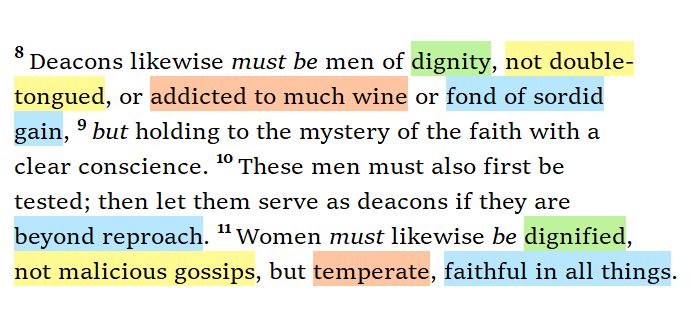















 Kept and Keeping